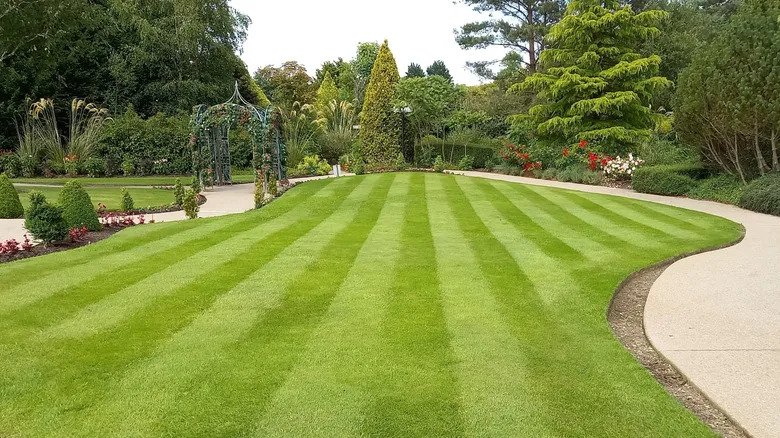
Are you aiming for that perfect striped lawn that turns heads and makes your yard the envy of the neighborhood? Striping your lawn can transform an ordinary yard into a stunning masterpiece, but one wrong move can ruin the effect—and your hard work.
You’ll discover the most common mistakes people make when striping their lawns and how to avoid them. By steering clear of these pitfalls, you’ll save time, protect your grass, and achieve those sharp, vibrant stripes you’ve been dreaming of. Keep reading to learn how to get the results you want without the frustration.

Credit: www.youtube.com
Common Striping Errors
Cutting grass too high or too low harms its growth. High cuts leave uneven stripes and weak grass. Low cuts can damage grass roots and cause bare spots. Aim to cut at the right height for your grass type.
Healthy grass shows bright, clear stripes. Ignoring grass health leads to dull patterns and patchy areas. Water regularly, use fertilizer, and remove weeds to keep grass strong.
- Clear the lawn of debris before striping.
- Make sure the ground is dry to avoid mower slipping.
- Plan your stripe lines for neat, parallel patterns.
- Use a sharp mower blade for clean cuts.

Credit: www.reddit.com
Choosing The Right Equipment
Choosing the wrong equipment can ruin your lawn stripes. Select tools that match your lawn size and surface for best results. Avoid heavy machines that damage grass or uneven rollers that cause patchy lines.
Mower Selection
Select a mower with a sharp blade for clear stripes. A mower with adjustable height helps create even patterns. Avoid mowers that tear the grass. A smooth cut is key to good striping. Use a mower wide enough to cover the area quickly.
Striping Kits And Rollers
Striping kits attach to the mower to bend grass blades. Rollers press grass down to make dark and light stripes. Choose kits that fit your mower well. Rollers should be heavy enough to create clear lines but not damage the lawn.
Maintenance Tips
- Keep mower blades sharp for clean cuts.
- Check striping kits or rollers for damage often.
- Clean equipment after each use to prevent rust.
- Store tools in a dry place to last longer.
Techniques For Clean Stripes
Mowing patternscreate the striped look on lawns. Straight lines are easiest to follow. Curves can look nice but need more skill. Always mow in opposite directionsfor each stripe. This helps grass blades bend and reflect light differently.
Consistent speed and heightare very important. Mowing too fast can cause uneven stripes. Keep your mower at the same height for each pass. Changing height makes stripes less clear.
- Keep mower speed steady.
- Use the same blade height all over.
- Make smooth turns at the end of rows.
Avoiding overlappingensures clean stripes. Overlapping leaves darker, messy areas. Stop the mower before turning. Start next stripe carefully beside the last one.
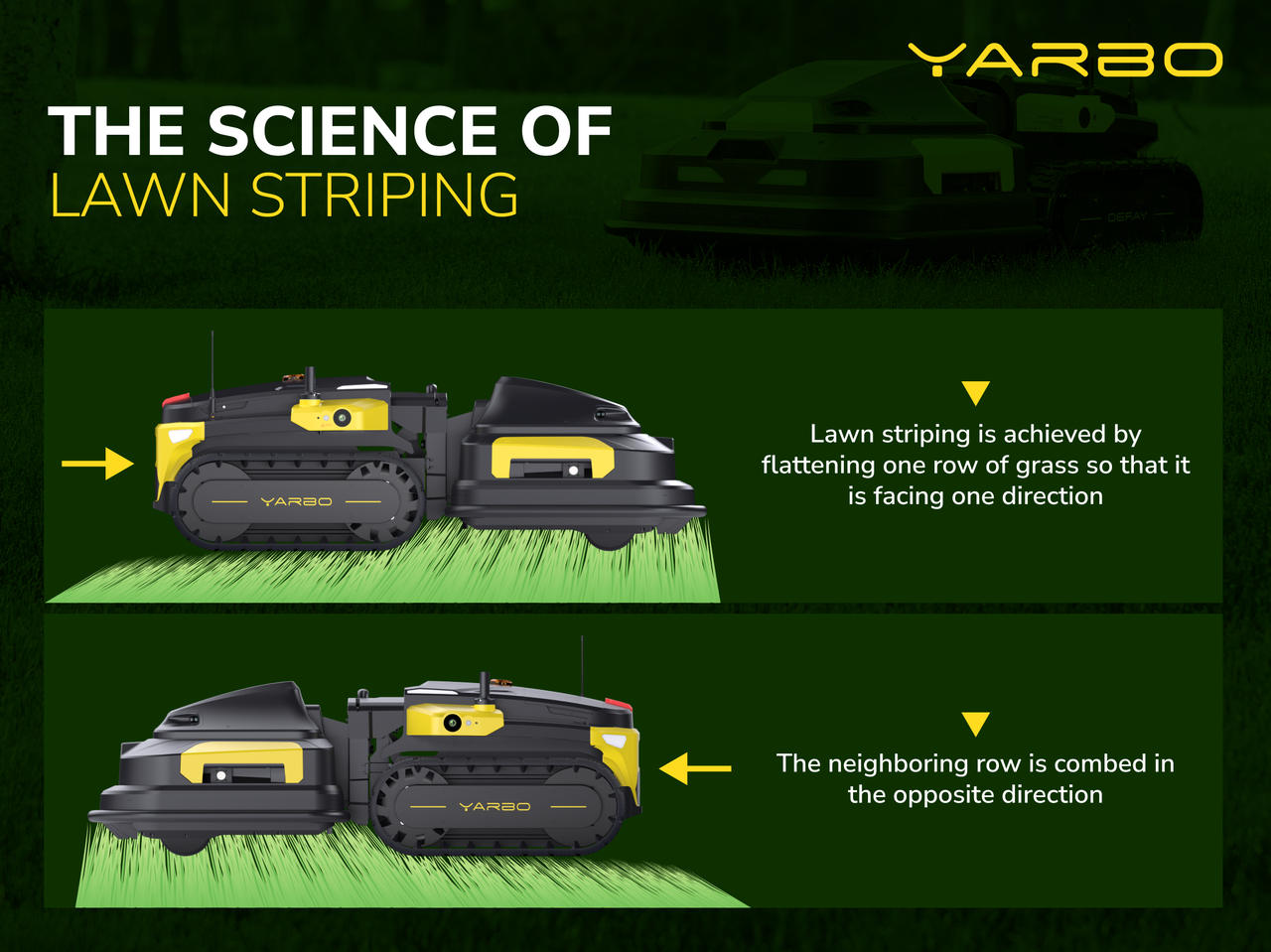
Credit: www.yarbo.com
Timing And Weather Factors
Choosing the right time for lawn striping is key to avoiding damage. Avoid mowing during extreme heat or wet conditions to keep stripes sharp and grass healthy. Weather changes can affect the mower’s performance and the lawn’s appearance.
Best Time Of Day
Morning is the best time for striping your lawn. The grass is cooler and moist from dew. The blades are more flexible and less likely to break. Avoid midday when the sun is high. The heat can stress the grass and cause damage.Ideal Weather Conditions
Choose a day with mild temperatures and overcast skies. This reduces the risk of sunburn on the grass. Avoid rainy or extremely windy days. Wet grass clumps and sticks, making striping uneven. Wind can cause patterns to shift and look messy.Seasonal Considerations
Spring and fall are ideal seasons for lawn striping. Grass grows actively and recovers quickly from any stress. In summer, the heat can be harsh on the lawn. Striping might not be as effective if the grass is dry or dormant. `Lawn Care After Striping
Water your lawn early in the morning to reduce evaporation. Avoid watering in the heat of the day. Keep the soil moist but not soggy. Overwatering can harm roots and cause diseases.
Use a fertilizer that suits your grass type. Apply it evenly to avoid patchy growth. Fertilize after striping to help grass recover faster. Follow the product instructions carefully.
- Limit walking on freshly striped areas to prevent damage.
- Use stepping stones or paths to protect the grass.
- Encourage family and pets to avoid the lawn for a few days.
Frequently Asked Questions
What Common Mistakes Should I Avoid When Striping Lawn?
Avoid mowing unevenly, using dull blades, and ignoring grass height. These errors cause poor stripe definition and damage turf health.
How Often Should I Stripe My Lawn For Best Results?
Stripe your lawn every 1-2 weeks during the growing season. Frequent striping prevents grass stress and maintains crisp patterns.
Can Striping Damage My Lawn If Done Incorrectly?
Yes, improper striping can compact soil and harm grass blades. Use sharp blades and moderate pressure to protect lawn health.
What Mower Settings Are Ideal For Lawn Striping?
Set mower blades to the recommended height for your grass type. Keep blades sharp and avoid cutting too short for better stripes.
Conclusion
Avoiding common mistakes helps your lawn look neat and healthy. Use proper tools and mow at the right height. Stay consistent with your striping pattern for the best effect. Water and fertilize regularly to keep grass strong. Take your time and plan each step carefully.
A well-striped lawn adds beauty and value to your yard. Keep learning and improving with each mowing session. Small efforts bring great results over time. Enjoy the process and the fresh, green look you create.





