As the leaves change color and the air turns crisp, mowing your lawn in fall becomes a crucial task. But are you making mistakes that could harm your grass instead of helping it?
You might think mowing is simple, but a few wrong moves now can lead to problems come spring. You’ll discover the common errors to avoid so your lawn stays healthy and strong all year long. Keep reading to learn how to mow smart this fall and give your yard the care it truly needs.
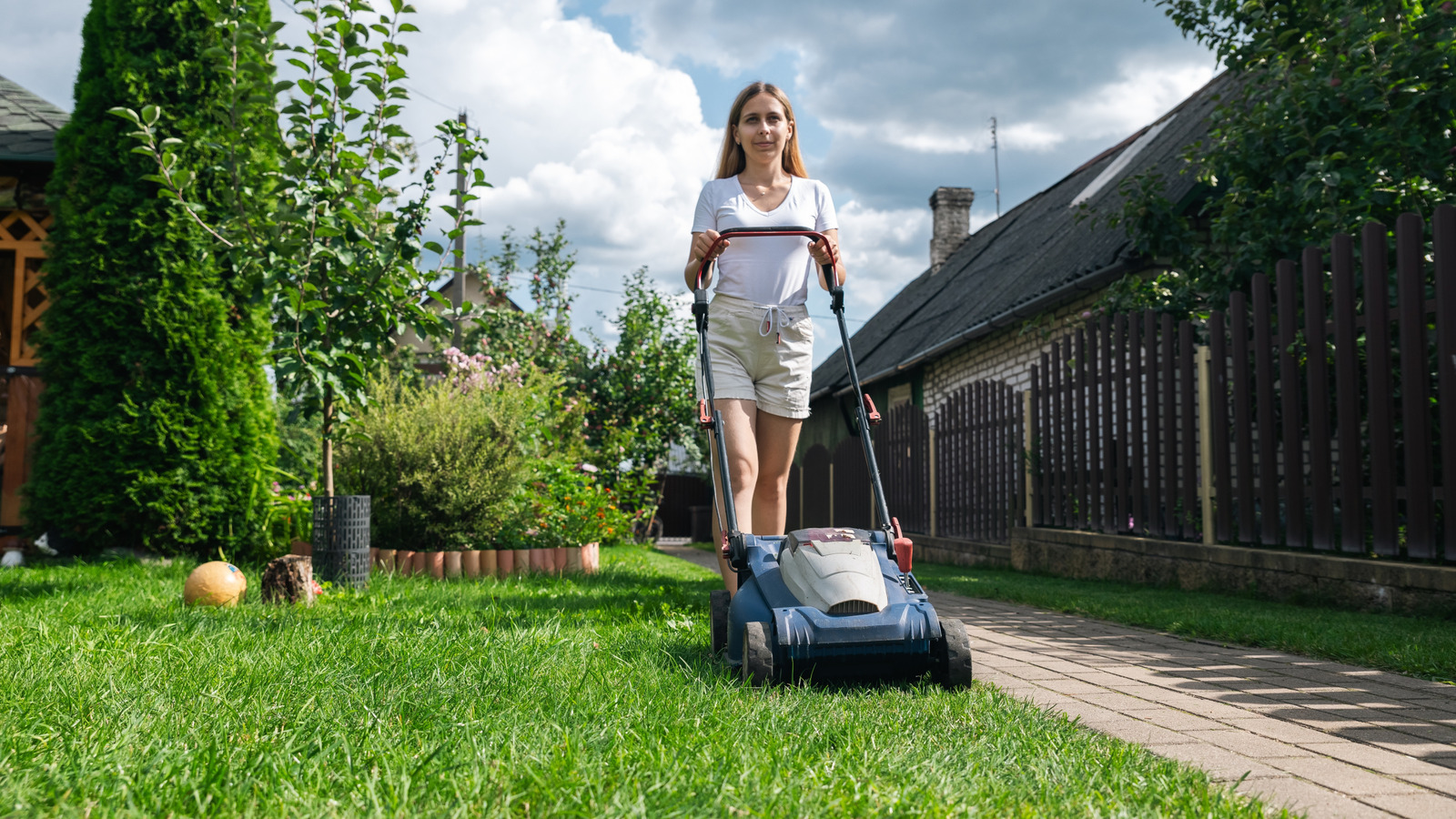
Credit: www.hunker.com
Timing Your Last Mow
Cutting grass too short in fall can harm its growth. Keep grass height around 2.5 to 3 inches. This length helps the grass stay healthy through colder months.
Stop mowing when grass stops growing. Grass grows slower as temperatures drop. Watch for these signs:
- Grass blades stop standing upright
- Growth slows to less than half an inch a week
- Grass looks dry or brown in patches
Waiting too long to stop mowing can stress your lawn. Early stops help grass store energy for winter.
Adjusting Mower Settings
Adjusting the blade heightis important for healthy grass in fall. Set blades higher than in summer. This helps grass grow strong roots and keeps soil warm. Avoid cutting too short; it can stress the grass and cause damage.
Sharpening mower bladesensures a clean cut. Dull blades tear grass, making it weak and prone to disease. Sharpen blades before mowing to keep grass healthy and green. Clean blades also help the mower work better and last longer.
Clearing Leaves And Debris
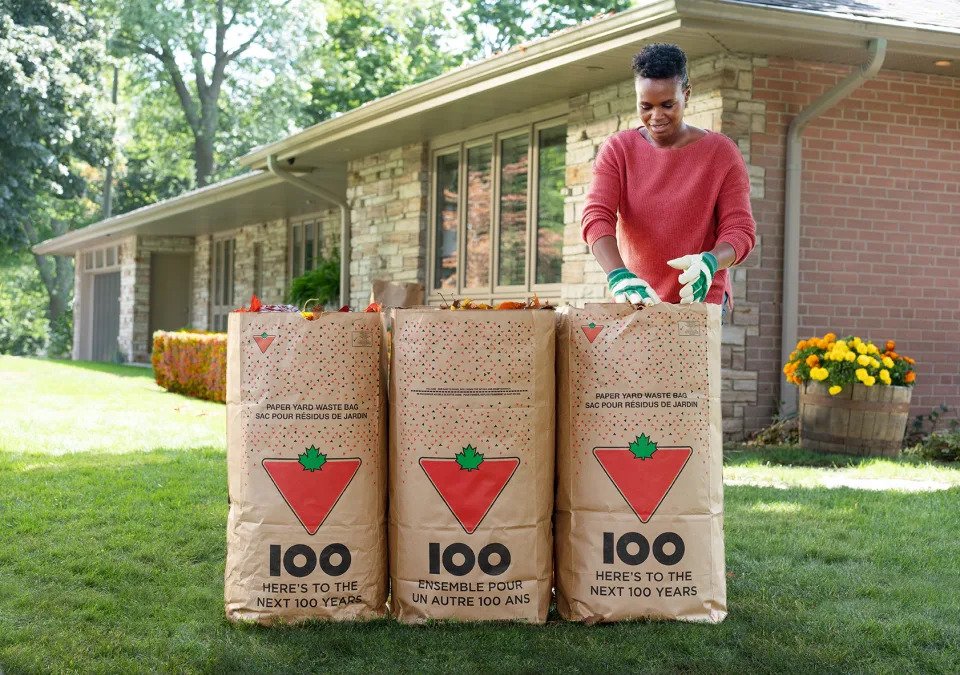
Leaving leaves on the lawncan cause many problems. They block sunlight and trap moisture. This can lead to dead patches and mold growth. Lawn grass needs air and light to stay healthy. Wet leaves also attract insects and pests that harm the grass.
Removing leaves is important for a healthy lawn. Use a rake or leaf blower to clear leaves early and often. Mulching leaves with a mower can help but avoid thick layers. Too many leaves can smother the grass.
- Rake leaves regularly to keep the lawn clear.
- Use a mower with a mulching blade for small leaves.
- Do not let leaves pile up in one spot.
- Compost leaves to create natural fertilizer.
- Clear leaves before they get wet to make removal easier.

Credit: getlawnbright.com
Avoiding Scalping The Lawn
Grass needs the right height to stay healthy. Cutting too short can harm it. Scalping weakens the grass. It exposes the soil to the sun. This makes it hard for grass to grow back. Weeds and pests may take over. Lawns become brown and ugly. Healthy grass fights off weeds better.
Keep your grass at the right length. Two to three inches is ideal. This helps grass stay strong. Taller grass shades the soil. It keeps moisture in the ground. Roots grow deep and healthy. Mowing often helps maintain this height. Do not cut more than one-third of the grass height at once. This keeps your lawn beautiful and green.
Preventing Soil Compaction
Avoid mowingwhen the soil is wet or soggy. Wet soil compacts easily, harming grass roots. Wet conditions make the ground soft, causing mower wheels to sink. This leads to soil compaction, which blocks air and water from reaching roots. Wait for dry days to mow your lawn in fall for better soil health.
Use these techniques to reduce soil compaction:
- Limit mower passes on the same path to avoid heavy pressure.
- Raise the mower blade height to lessen ground impact.
- Choose lightweight lawn mowers for less soil damage.
- Use wide tires or tracks to spread weight evenly.
- Aerate soil regularly to relieve compaction and improve airflow.
Managing Wet Grass
Mowing wet grasscan cause many problems. Wet lawns become slippery and unsafe. The mower blades may clog with wet grass clumps. This leads to uneven cuts and damage to the grass. Wet soil is soft and can get compacted by the mower wheels. This harms the grass roots and makes the lawn bumpy.
Grass cut when wet can rot and cause fungus. The lawn may look patchy and unhealthy. Mowing wet grass also spreads disease from one part of the lawn to another. Waiting for the grass to dry is best for a clean cut and healthy lawn.
- Check if the grass is dry before mowing.
- Use sharp mower blades to avoid tearing wet grass.
- Raise the mower height to reduce soil damage.
- Clean mower deck often to prevent clogging.
- Walk slowly to avoid slipping and damaging the lawn.
Preparing For Winter
Cut the grass to about 2 inches before winter. This height helps protect the roots from cold. Avoid cutting too short, which can stress the grass. Remove leaves and debris to stop mold and pests from growing. Use a rake or leaf blower for better results.
Water the lawn well before the ground freezes. This keeps the roots healthy and strong. Avoid heavy fertilizer late in the season as it can harm the grass. Choose a fertilizer with low nitrogen and more potassium for root strength.
Keep foot traffic low on frozen grass. Walking on frozen lawns can damage grass blades and roots. Let the grass rest and recover before spring.

Credit: www.countryliving.com
Frequently Asked Questions
How Often Should I Mow My Lawn In Fall?
Mow your lawn once a week during early fall. Gradually reduce frequency as growth slows. This maintains lawn health and prevents overgrowth before winter.
What Is The Ideal Mowing Height In Fall?
Set mower blades higher in fall, around 3 to 3. 5 inches. Taller grass protects roots and retains moisture during colder months.
Should I Leave Grass Clippings On The Lawn In Fall?
Yes, leaving clippings provides nutrients and reduces waste. Clippings decompose quickly, enriching soil and supporting lawn health through fall.
Why Avoid Mowing Wet Grass In Fall?
Mowing wet grass causes uneven cuts and spreads diseases. It also clogs mower blades, damaging your equipment. Always mow dry grass for best results.
Conclusion
Avoiding common mistakes keeps your lawn healthy through fall. Mow at the right height to protect grass roots. Clear leaves and debris to prevent damage and disease. Use sharp blades for clean cuts and less stress. Don’t cut too short; it weakens the grass.
Regular mowing helps prepare your lawn for winter. Follow these tips to enjoy a green, strong lawn next spring. Simple care now saves time and effort later. Your lawn will thank you with better growth and color.