Are you trying to keep your lawn green and healthy while also being kind to the environment? Mowing your lawn in an eco-friendly way sounds simple, but many people make mistakes that can harm both their grass and the planet.
What if you’ve been unknowingly doing things that waste energy, damage soil, or kill helpful insects? You’ll discover the most common mistakes to avoid in eco-friendly mowing. By learning these tips, you’ll save time, protect nature, and enjoy a lawn that truly thrives.
Keep reading to find out how to mow smarter and greener every time.
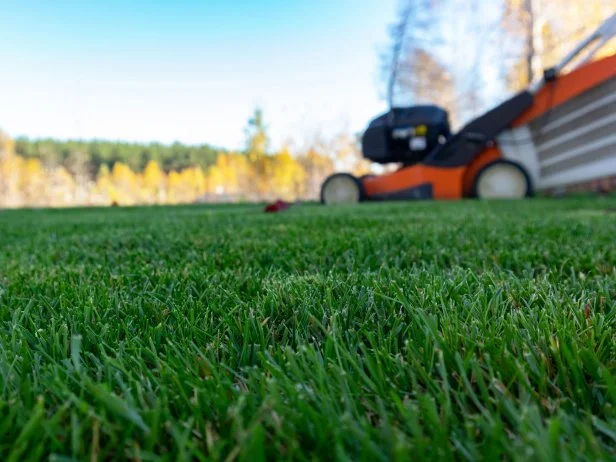
Credit: www.hgtv.com
Common Eco Mowing Mistakes
Cutting grass too shortcan harm the lawn. Grass needs some height to stay healthy. Short grass dries out faster and lets weeds grow.
Ignoring grass typecauses problems. Different grasses need different care. Learn your grass type before mowing to keep it strong and green.
Overusing chemicalshurts the environment. Too many pesticides or fertilizers can pollute soil and water. Use natural methods and only what is needed.
Mowing wet grasscan damage both mower and lawn. Wet grass clumps up and makes uneven cuts. Wait for the grass to dry before mowing.
Neglecting equipment maintenancelowers mower efficiency. Dull blades tear grass, causing disease. Clean and sharpen blades often for smooth mowing.
Choosing The Right Mower
Gas mowersare powerful but cause more pollution. They use fossil fuels and make noise. Electric mowersare quieter and cleaner. They run on batteries or cords, which limits movement but helps the environment.
Reel mowersuse no gas or electricity. They cut grass with sharp blades by pushing. These mowers are eco-friendlyand good for small yards. They keep grass healthy and reduce waste.
| Battery Life | Power | Best Use |
|---|---|---|
| 30-60 minutes | Medium | Small to medium yards |
| 60-90 minutes | High | Larger yards, thick grass |
| Over 90 minutes | Very High | Very large yards, heavy use |
Optimal Mowing Practices
Cutting grass at the right heighthelps keep it healthy and green. Set mower blades to 2.5 to 3 inches. Cutting too short can stress the lawn and cause weeds. Taller grass shades roots and holds moisture better.
Mow regularly but not too often.A good rule is to cut only one-third of the grass height at a time. This helps grass recover faster and stays strong. Avoid mowing when grass is wet or during very hot weather.
- Leave grass clippings on the lawn.They return nutrients to the soil and reduce waste.
- Use a mulching mower to chop clippings finely.
- Remove clumps if they block sunlight or air.

Credit: www.hgtv.com
Soil And Lawn Health
Aeration lets air reach the soil. It helps the grass breathe. Without aeration, the soil can become hard. Hard soil stops water from soaking in. This can harm the grass roots. Aerating your lawn keeps it healthy. It also improves water drainage.
Watering is key to a green lawn. Water in the early morning. This helps the water reach deep roots. Avoid watering at night. Wet grass at night can lead to disease. Use a sprinkler for even water spread. Check the soil before watering again. It should be slightly dry.
Natural fertilizers are safe for the environment. Compost is a great choice. It adds nutrients to the soil. Grass clippings can also be used. They break down and feed the lawn. Avoid chemical fertilizers. They can harm the soil and water.
Seasonal Mowing Tips
Spring lawn careneeds gentle attention. Start by mowing at a higher height to protect new grass. Avoid cutting more than one-third of the grass blade at once. Remove leaves and debris to let sunlight reach the soil. Water only if the ground is dry to save water and help roots grow strong.
Summer mowing strategiesfocus on keeping grass healthy in heat. Set the mower blade higher to shade roots and reduce water loss. Mow when grass is dry to avoid clumps. Avoid mowing during the hottest part of the day to prevent stress on grass. Water deeply but less often to encourage deep roots.
Preparing for fall and winterinvolves slowing down mowing. Gradually lower the blade height to help grass store nutrients. Remove fallen leaves to prevent mold. Avoid heavy traffic on wet grass to stop soil compaction. Stop fertilizing late in the season to let grass rest.

Credit: customlawn.com
Frequently Asked Questions
What Common Mistakes Harm Eco-friendly Mowing Practices?
Using gas-powered mowers, cutting grass too short, and mowing wet grass are common mistakes. These harm soil health and increase pollution. Avoiding these ensures a greener, healthier lawn and reduces environmental impact.
How Often Should You Mow For Eco-friendly Grass Health?
Mow your lawn once a week during the growing season. This frequency promotes strong roots and reduces stress. Avoid mowing too often or too infrequently to maintain a natural, eco-friendly lawn.
Why Is Cutting Grass Too Short Bad For The Environment?
Cutting grass too short weakens roots and increases water evaporation. It reduces the lawn’s ability to absorb carbon and support biodiversity. Leaving grass taller promotes healthier soil and a more sustainable ecosystem.
Can Electric Mowers Improve Eco-friendly Mowing?
Yes, electric mowers reduce emissions and noise pollution compared to gas mowers. They use less energy and require less maintenance. Switching to electric supports eco-friendly mowing and a cleaner environment.
Conclusion
Avoiding common mistakes makes eco-friendly mowing easier and better for nature. Choose the right tools and maintain them well. Mow at the right height to keep grass healthy. Do not use too many chemicals or waste water. Protect soil and plants by mowing carefully.
Small changes add up to big benefits for your yard. Stay mindful and enjoy a greener, cleaner lawn. Your effort helps protect the environment for everyone. Keep learning and improving your eco-friendly mowing habits.