You’re standing in the aisle of your local gas station, pondering the choices in front of you. One pump offers ethanol-blended fuel, while the other boasts non-ethanol gas.
You might wonder, “Is non-ethanol gas better for my lawn mower? ” This question isn’t just about fuel—it’s about the health and longevity of your trusty garden companion. Choosing the right gas can mean the difference between a sputtering engine and a smoothly running mower that gets the job done efficiently.
Imagine a lush, green lawn, perfectly manicured with the help of a reliable mower. By the end of this article, you’ll know exactly which type of fuel can help make that vision a reality. Dive in to discover the surprising benefits of non-ethanol gas and why it might be the key to keeping your lawn mower in top shape.

Credit: www.reddit.com
Non Ethanol Gas Benefits
Choosing the right fuel for your lawn mower can make a significant difference in its performance and lifespan. Non ethanol gas offers several benefits that directly impact how well your mower runs and how long it lasts. Understanding these advantages can help you decide if switching fuels is worth it for your outdoor equipment.
Cleaner Engine Operation
Non ethanol gas burns cleaner than fuel blended with ethanol. This means fewer deposits build up inside your engine over time.
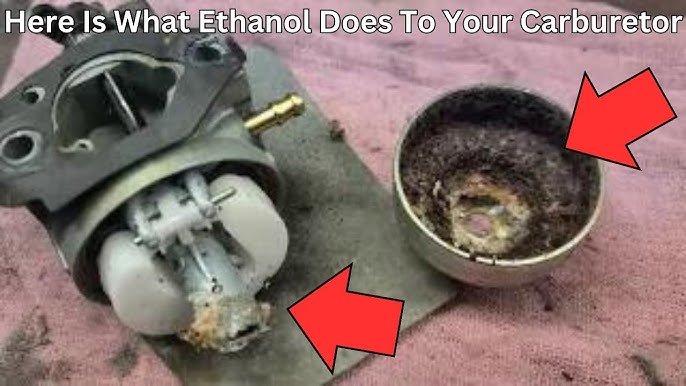
Less gunk in the carburetor and fuel lines reduces clogs and maintenance needs. Have you noticed your mower sputtering or running rough? Non ethanol fuel might help smooth out those issues.
Reduced Engine Wear
Ethanol attracts water, which can cause corrosion inside your engine parts. Non ethanol gas avoids this problem, protecting your mower’s internal components.
This protection means your engine experiences less wear and tear, helping it run longer without costly repairs. Think about how much you spend on maintenance—could cleaner fuel save you money?
Improved Fuel Efficiency
Your mower can get more work done on less fuel with non ethanol gas. It typically delivers better combustion, which translates to increased power and longer run times per tank.
This means fewer trips to refill and better overall productivity. If you want to cut down on fuel costs and time spent refueling, non ethanol fuel is worth considering.
Credit: www.mantripping.com
Ethanol Gas Impact
Understanding the impact of ethanol gas on your lawn mower can help you decide if non-ethanol gas is the better choice. Ethanol, while common in many fuels, interacts differently with small engines. These interactions can affect your mower’s performance and longevity in noticeable ways.
Water Absorption Issues
Ethanol attracts water from the air, which can cause problems in your mower’s fuel system. When water mixes with ethanol fuel, it can separate and settle at the bottom of the tank. This separation often leads to poor engine performance or difficulty starting.
Have you ever noticed your mower sputtering or running unevenly after sitting unused? This is often due to water absorption in ethanol-blended fuel. Non-ethanol gas avoids this issue since it doesn’t attract moisture the same way.
Fuel System Corrosion
Ethanol can cause corrosion in metal parts inside your mower’s fuel system. Over time, this corrosion can clog fuel lines and damage carburetors. Many users have reported costly repairs linked directly to ethanol-related corrosion.
Using non-ethanol gas reduces the risk of rust and corrosion. Your mower’s fuel system stays cleaner, which means fewer unexpected breakdowns and longer engine life. Isn’t it worth considering to protect your investment?
Power Loss Concerns
Because ethanol contains less energy per gallon than pure gasoline, engines running on ethanol-blended fuels can experience reduced power. You might notice your mower feels weaker or struggles on thick grass. This is especially true if your mower’s engine isn’t designed for ethanol blends.
Switching to non-ethanol gas often results in smoother, more powerful operation. It helps your mower perform at its best, saving you time and effort. Wouldn’t you prefer fuel that lets your mower work as hard as you do?
Lawn Mower Engine Types
Understanding the type of engine your lawn mower uses is key to deciding whether non-ethanol gas is better for it. Different engines react differently to fuel blends, affecting performance and longevity. Let’s look closely at the two main engine types found in lawn mowers.
Two-stroke Engines
Two-stroke engines are lightweight and simple, often found in handheld mowers and trimmers. They require a mix of gas and oil to run, which makes fuel choice even more critical.
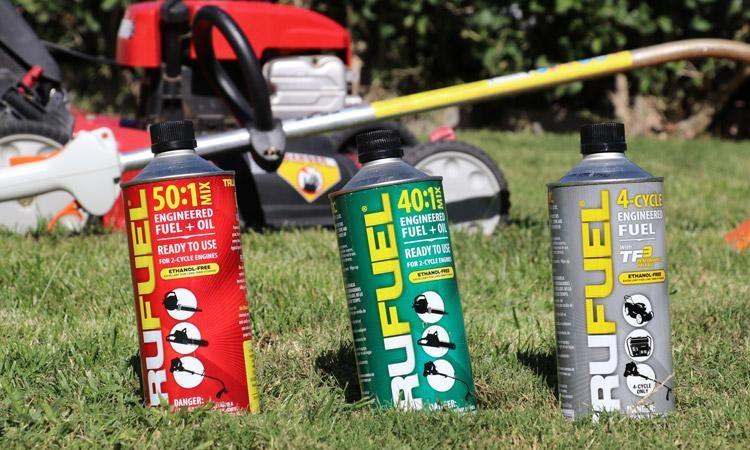
Using non-ethanol gas in these engines can reduce the risk of gum and varnish buildup. Ethanol attracts moisture, which can cause corrosion and damage in the delicate parts of two-stroke engines.
If you’ve ever struggled with a mower that won’t start after sitting for a few weeks, ethanol fuel might be the culprit. Non-ethanol gas tends to stay fresher longer, saving you time and frustration.
Four-stroke Engines
Four-stroke engines are more common in push mowers and larger equipment. They have separate compartments for gas and oil, which makes them more efficient and quieter.
While four-stroke engines handle ethanol blends better than two-stroke engines, non-ethanol gas still offers benefits. It minimizes engine deposits and helps maintain smoother operation over time.
Have you noticed your mower running rough or losing power? Switching to non-ethanol gas might help restore its performance and extend engine life.
Performance Differences
Performance differences between non-ethanol gas and regular gasoline affect lawn mower operation. These differences influence how well the mower starts, runs, and needs maintenance. Understanding these factors helps choose the right fuel for your mower.
Starting Reliability
Non-ethanol gas usually starts lawn mowers more easily. It does not absorb water like ethanol blends do. Water in the fuel can cause hard starting or stalling. Using non-ethanol fuel reduces these problems and improves engine ignition.
Run Time And Power
Non-ethanol gas offers more consistent power. It burns cleaner and provides better fuel efficiency. Lawn mowers run longer on a full tank without loss of power. Ethanol fuels may cause rough running and lower overall performance.
Maintenance Frequency
Non-ethanol gas helps reduce maintenance needs. It prevents gum and varnish buildup inside the engine. This means fewer carburetor cleanings and less fuel system damage. Engines last longer and stay cleaner with non-ethanol fuel.
Fuel Storage Tips
Proper fuel storage is important for keeping lawn mower engines running smoothly. Storing fuel correctly helps maintain its quality and prevents damage to the engine. Non ethanol gas tends to last longer, but it still needs careful storage to avoid problems.
Preventing Fuel Degradation
Fuel can break down over time, causing poor mower performance. Keep fuel fresh by using it within 30 days. Avoid storing fuel in direct sunlight or near heat sources. Use airtight containers to stop air from reaching the fuel. Add fuel stabilizers to extend fuel life. These steps slow down fuel degradation and keep your mower running well.
Best Storage Practices
- Store fuel in clean, approved containers made of plastic or metal.
- Label containers with the date of purchase or mixing.
- Keep fuel containers in a cool, dry place away from flames.
- Store fuel away from children and pets for safety.
- Check containers regularly for leaks or damage.
- Empty fuel tanks before long storage periods to avoid stale fuel.
Following these tips ensures your non ethanol gas stays fresh and your lawn mower performs at its best.
Cost And Availability
Cost and availability play a big role in choosing non ethanol gas for lawn mowers. Many users want to know if it saves money and where to get it. Prices can vary widely depending on location and suppliers. Availability may also be limited compared to regular gasoline.
Understanding these factors helps decide if non ethanol gas is the right choice for your mower. Let’s explore the price differences and how to find this fuel easily.
Price Comparison
Non ethanol gas usually costs more than regular gas. The price difference can range from 10% to 30% higher. This is because it is less common and often sold in smaller quantities.
Many gas stations focus on ethanol blends due to demand. Smaller suppliers or specialty shops offer non ethanol options. Buying in bulk can lower the price per gallon.
Some users find that the longer engine life and fewer repairs may balance the higher fuel cost.
Finding Non Ethanol Gas
Non ethanol gas is not at every gas station. It is often found at rural or specialty fuel stations. Some farm supply stores and marinas also sell it.
Online tools and apps can help locate stations offering non ethanol gas near you. Calling ahead saves time and ensures availability.
Consider storing a small supply safely if you use it regularly. This helps avoid last-minute trips to distant stations.
Choosing The Right Fuel
Choosing the right fuel for your lawn mower is important for its performance and lifespan. The fuel type affects how well your mower runs and how long it will last. Understanding your mower’s needs and the costs involved helps you make a smart choice. This section breaks down the key points to consider when selecting fuel.
Assessing Lawn Mower Needs
Check your lawn mower’s engine type and manufacturer recommendations. Some models work better with non-ethanol gas. Ethanol can cause damage in small engines by attracting moisture and causing corrosion.
Consider how often you use your mower. If you use it rarely, non-ethanol fuel may keep the engine cleaner. For frequent use, regular fuel might be sufficient if stored properly.
Think about your mower’s age. Older models often need cleaner fuel to run smoothly. Newer models might handle ethanol blends better.
Balancing Cost And Performance
Non-ethanol gas usually costs more than regular fuel. Weigh this cost against the benefits of longer engine life and fewer repairs.
Using non-ethanol fuel can reduce maintenance and improve starting performance. It burns cleaner and avoids fuel system problems linked to ethanol.
Regular fuel is cheaper but may cause buildup and damage over time. Proper storage and fuel stabilizers can help minimize these issues.

Credit: www.reddit.com
Frequently Asked Questions
What Is Non-ethanol Gas For Lawn Mowers?
Non-ethanol gas is pure gasoline without ethanol additives. It prevents moisture buildup and reduces engine corrosion in lawn mowers. This fuel helps maintain engine performance and extends mower life by avoiding common ethanol-related issues.
Does Non-ethanol Gas Improve Lawn Mower Performance?
Yes, non-ethanol gas improves performance by providing cleaner combustion. It reduces engine knocking, clogging, and moisture problems. This leads to smoother operation and better fuel efficiency for lawn mowers.
Why Avoid Ethanol Gas In Lawn Mowers?
Ethanol gas attracts water, causing phase separation and corrosion. It can damage fuel lines, carburetors, and spark plugs. Avoiding ethanol gas helps keep your lawn mower running reliably and reduces maintenance needs.
How Often Should I Use Non-ethanol Gas?
Use non-ethanol gas whenever possible, especially for seasonal equipment like lawn mowers. It is best for storage periods to prevent fuel degradation and engine issues. Regular use ensures optimal mower performance and longevity.
Conclusion
Choosing non-ethanol gas can help your lawn mower run smoother. It reduces engine problems and keeps fuel fresh longer. Many users notice better performance and less maintenance. Small steps like this protect your equipment and save money. Think about your mower’s health and how often you use it.
Using the right fuel makes a real difference. Try non-ethanol gas to see if it works for you. Simple changes can lead to better mowing days ahead.





