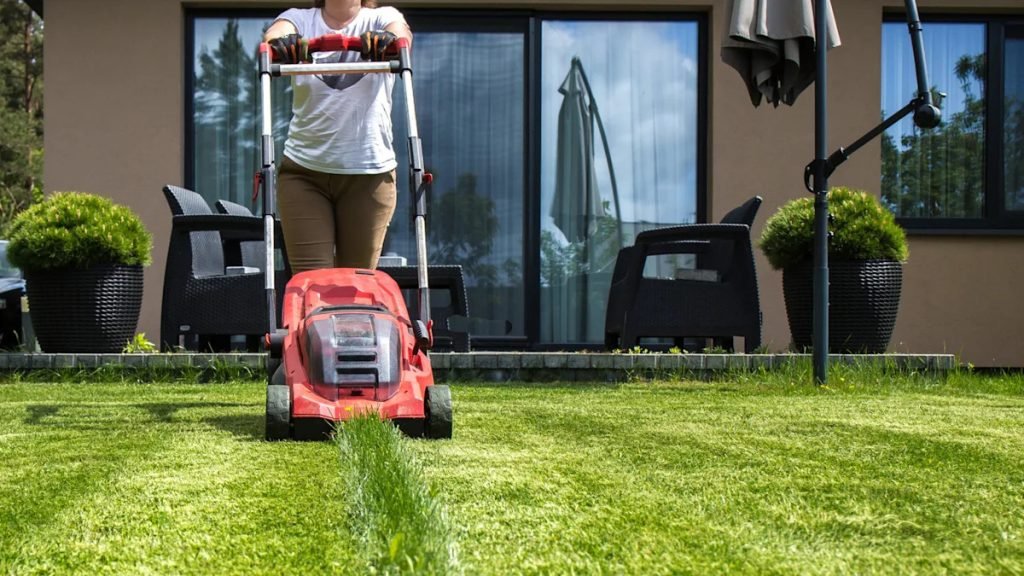
Have you ever wondered if mowing your lawn might actually harm the soil beneath it? You spend time and effort keeping your grass neat, but could this simple task be doing more harm than good?
Understanding how mowing affects your soil is key to having a healthy, green yard that lasts. Keep reading to discover surprising facts that could change the way you care for your lawn—and help you protect the ground that supports it.
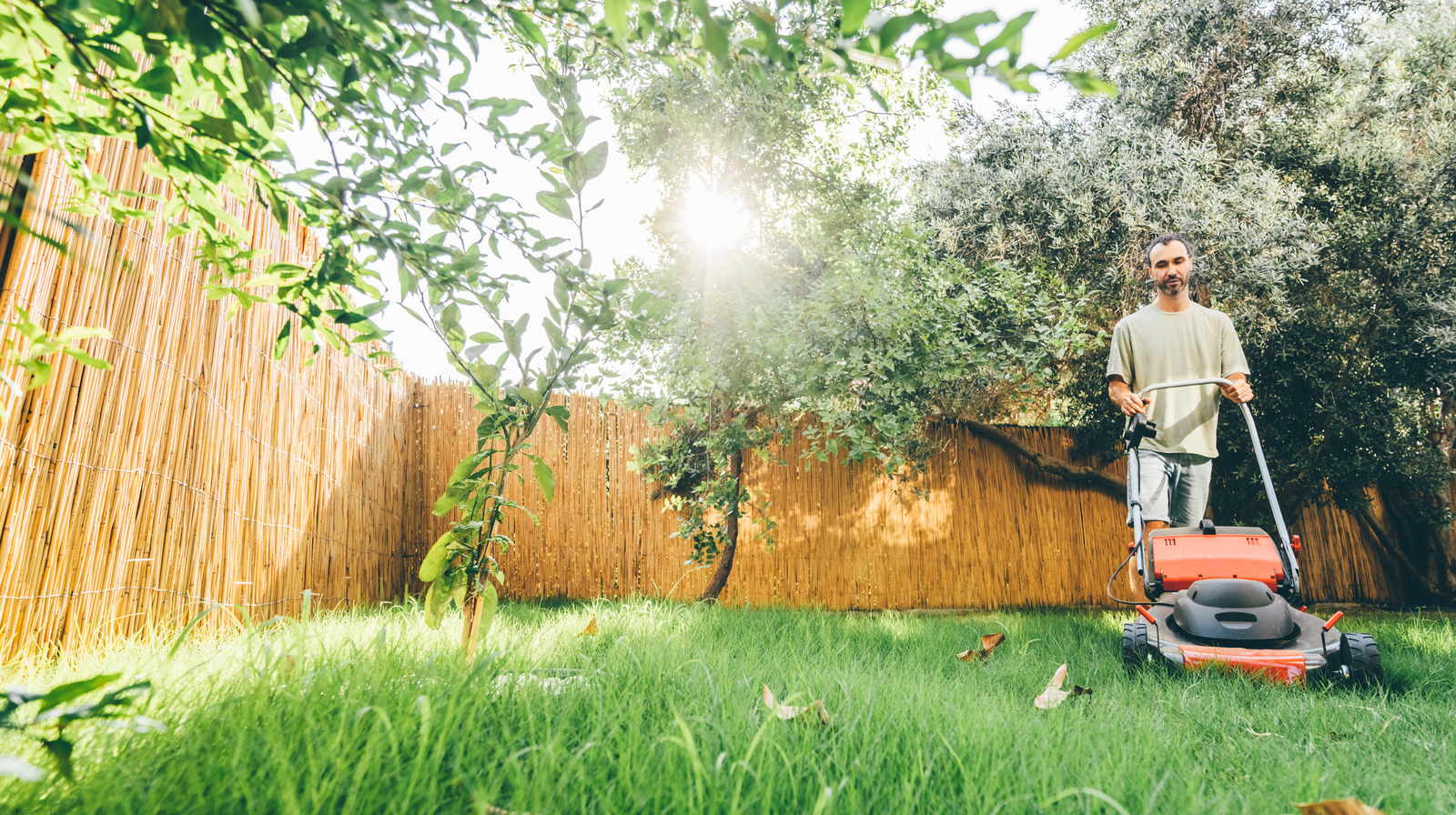
Credit: www.housedigest.com
Impact Of Mowing On Soil Health
Mowingcan change the soil structureby compressing the ground. This makes it harder for air and water to reach plant roots. Over time, compacted soil may slow down root growth and reduce soil quality.
Soil microorganismsare tiny helpers that keep soil healthy. Frequent mowing can reduce the number of these microbes. Less organic matter on the soil surface means fewer nutrients for them.
Changes in soil moisturehappen because mowing removes plant cover. This can cause faster evaporation, making the soil drier. Drier soil can stress plants and affect their growth.
Benefits Of Regular Lawn Mowing
Regular lawn mowinghelps grass grow thicker and healthier. Cutting the grass encourages new shoots to grow, making the lawn lush and green. It stops grass from getting too tall and weak, which can cause bare spots.
- Weed controlis easier with regular mowing. Taller weeds get less sunlight and fail to spread seeds.
- Mowing removes flowers from some weeds, reducing their ability to grow.
Cut grass clippings break down and return nutrients to the soil. This process improves soil nutrient cyclingnaturally. Better nutrient cycling helps grass roots stay strong and soil stay healthy.
Potential Negative Effects Of Mowing
Soil compactionhappens when mower wheels press the ground hard. This makes it tough for air and water to reach plant roots. Grass may grow weak and dry. Roots need spaceto breathe and drink.
Loss of organic matteroccurs if grass clippings are always removed. These clippings break down and add nutrients back to soil. Removing them means soil loses food and stays poor. Soil becomes less healthy over time.
Soil ecosystemsget disturbed by frequent mowing. Tiny bugs and worms live in soil and help plants grow. Mowing can harm these creatures and change soil life. Healthy soil needs many small animals working inside.

Credit: www.yahoo.com
Mowing Techniques That Protect Soil
Mowing lawn can harm soil if done incorrectly. Cutting grass too short or too often weakens roots and soil health. Leaving clippings on the ground helps return nutrients and protects soil moisture.
Mowing the lawn at the right height helps the soil. Grass should be around 3 inches tall. This height keeps the soil cool and moist. It also blocks the sun from drying the soil. Taller grass helps roots grow deep. Deep roots hold the soil together. This makes the ground strong and healthy. Frequent mowing is not always good. Grass should be cut once a week. This gives grass time to grow back. Cutting too often weakens the grass. Weak grass cannot protect the soil well. Keep your mower blades sharp. Sharp blades cut cleanly, which is better for the grass. Mulching mowers help soil health. They chop grass into tiny pieces. These pieces fall back onto the lawn. They act as a natural fertilizer. This helps the soil get more nutrients. Mulched grass also keeps soil moist. It stops weeds from growing too. Mulching is a simple way to care for soil. `Alternatives To Traditional Lawn Mowing
Natural lawn care practiceshelp keep soil healthy and alive. They include using less water and fewer chemicals. Mulching grass clippings returns nutrients to the soil. Letting grass grow longer protects soil from sun and wind damage. Planting native flowers and plants supports local wildlife and soil life. These practices reduce soil erosion and improve its texture.
No-mow lawn varietiesare grasses that grow slowly or stay short. They need less cutting or none at all. This reduces soil disturbance and helps keep soil moisture. These grasses save time and energy. They create a soft, green carpet that stays healthy with little care.
Using ground coversis a great way to protect soil. Plants like clover, creeping thyme, or moss cover soil well. They stop weeds, hold moisture, and add nutrients. Ground covers need little mowing and can grow in shady spots. They add color and life to the lawn while helping the soil stay strong.
Soil Care Tips For Healthy Lawns
Aerationlets air and water reach the roots. It stops soil from becoming too hard. Use a lawn aerator once or twice a year. This helps grass grow strong and healthy.
Proper fertilizationgives grass the food it needs. Use a balanced fertilizer with nitrogen, phosphorus, and potassium. Apply it in early spring or fall for best results. Avoid using too much fertilizer to protect the soil.
Watering strategieskeep the soil moist but not soggy. Water deeply once or twice a week. Water early in the morning to reduce evaporation. This helps roots grow deep and strong.

Credit: www.aol.com
Frequently Asked Questions
Does Mowing Lawn Harm Soil Quality?
Mowing lawn regularly can impact soil health if done improperly. Cutting grass too short stresses plants and exposes soil. Proper mowing encourages healthy grass growth, protecting soil from erosion and nutrient loss.
How Does Mowing Affect Soil Nutrients?
Mowing recycles nutrients by returning grass clippings to soil. This adds organic matter and improves soil fertility naturally. Removing clippings excessively may deplete soil nutrients and reduce soil quality over time.
Can Frequent Mowing Damage Soil Structure?
Frequent mowing alone does not damage soil structure significantly. However, heavy equipment compaction during mowing can compact soil, reducing aeration. Proper mowing techniques and avoiding wet soil help maintain good soil structure.
Is Mowing Beneficial For Soil Microorganisms?
Mowing supports soil microorganisms by providing fresh organic material from clippings. This organic matter feeds microbes, enhancing soil life and nutrient cycling. Healthy microbial activity improves soil health and plant growth.
Conclusion
Mowing the lawn can affect soil health in different ways. Cutting grass too short may harm soil by reducing nutrients. Leaving grass clippings on the lawn helps return nutrients to the soil. Regular mowing encourages grass to grow thicker and stronger.
Choosing the right mowing height protects soil and plants. A healthy lawn supports better soil structure and water retention. Careful mowing keeps both grass and soil in good shape. Balance is key for a green lawn and healthy soil.





