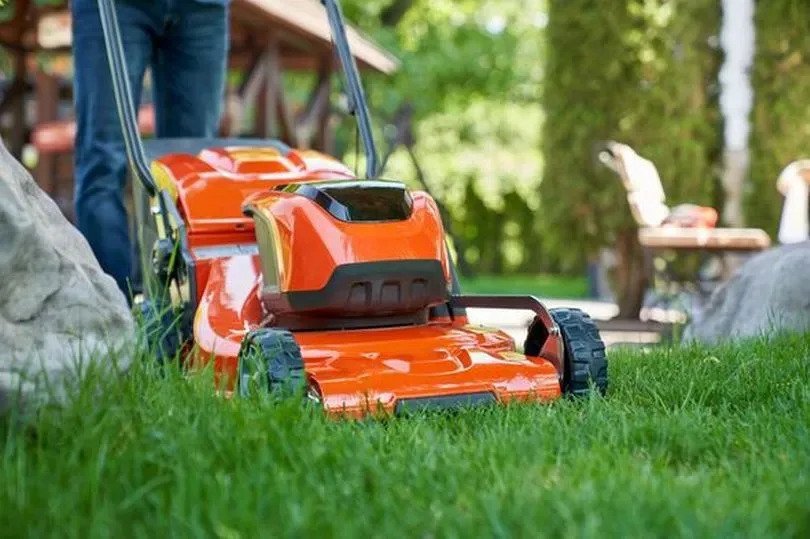
Have you ever stopped to wonder if mowing your lawn could be harming the tiny pollinators buzzing around your garden? You might think cutting the grass is just a simple chore, but it could be affecting the plants and insects that play a big role in nature’s cycle.
If you care about your garden thriving and want to help bees, butterflies, and other pollinators, understanding the impact of lawn mowing is key. Keep reading to discover how your mowing habits might be changing the way pollination happens right outside your door—and what you can do to make a difference.
Impact Of Lawn Mowing On Pollinators
Mowing lawnscan harm bee populations. Bees need flowers for nectar and pollen. Cutting grass too short removes these flowers. This leaves bees with less food. Bees also lose their homesin tall grass and wildflowers. This can lower their numbers and hurt pollination in your area.
Butterflies need safe placesto lay eggs and rest. Lawn mowing often destroys these habitats. It cuts down plants that caterpillars eat. Without these plants, butterflies struggle to survive. Less mowing or mowing less often helps protect butterflies. Leaving some areas wild gives them a better chance to live and spread.
Pollination Process And Lawn Maintenance
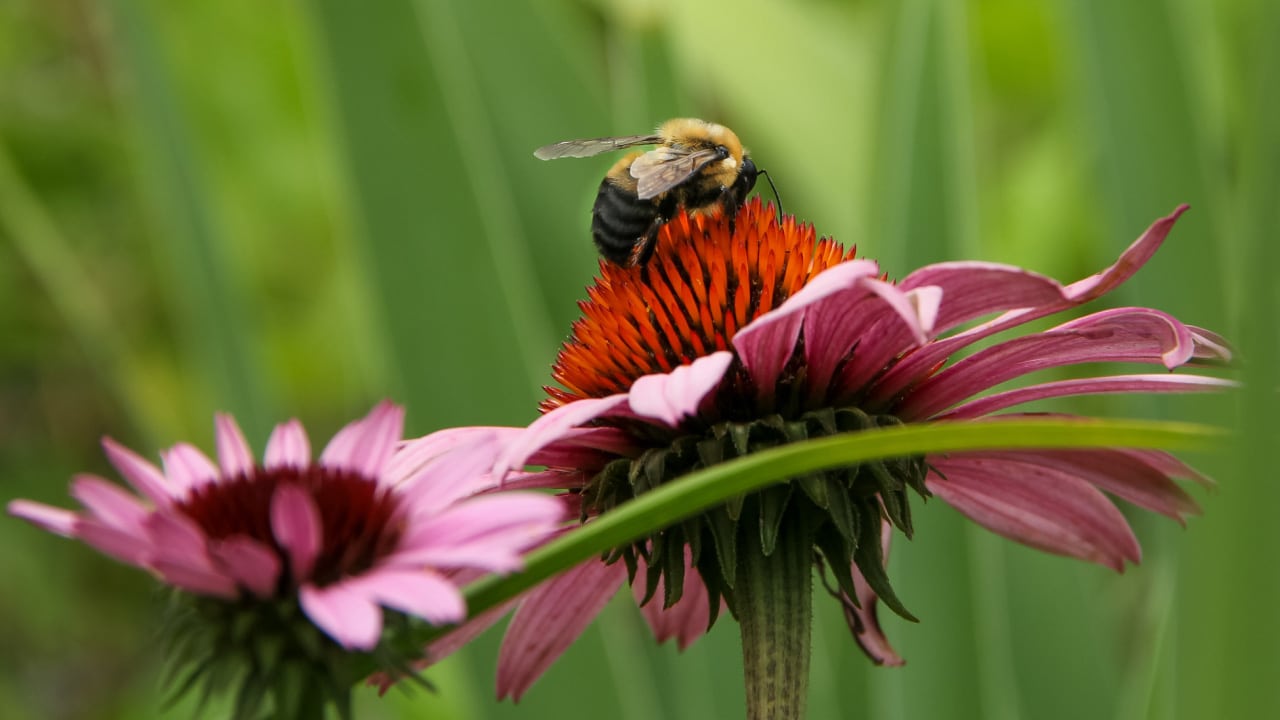
Flowers play a key role in pollination.They provide nectar and pollen that attract bees, butterflies, and other pollinators. These pollinators move pollen from one flower to another, helping plants make seeds.
Mowing lawns can reduce flower availability.Cutting grass too often stops flowers from blooming fully. This means fewer nectar sources for pollinators. Without enough flowers, pollinators may leave the area.
Some lawns have only grass, with few or no flowers. These lawns offer little help for pollination. Lawns with diverse flowers support more pollinators and help plants grow better.
Timing And Frequency Of Mowing
Mowing at the right timehelps flowers grow and attract pollinators. Avoid mowing when flowers bloom. Let bees and butterflies collect nectar freely. Mow every two to three weeks, not weekly. This gives plants time to recover and bloom again.
Leaving some areas unmowedcreates safe spots for insects. Tall grass and wildflowers are homes for many pollinators. These spots help maintain healthy pollinator numbers.
| Consequences of Frequent Mowing | Impact on Pollinators |
|---|---|
| Cutting too often | Reduces flowers and food supply |
| Removing all tall plants | Destroys shelter for insects |
| Mowing during bloom time | Interrupts pollination process |

Credit: www.canr.msu.edu
Alternative Lawn Care Methods
Mowing lawns too often can harm flowers that help pollinators like bees. Allowing some grass and flowers to grow supports pollination naturally. Choosing gentle lawn care methods helps protect these important insects.
Creating Pollinator-friendly Lawns
Choose plants that support bees and butterflies. Native plants are best. They need less water and care. Wildflowers add color and attract insects. Avoid chemicals that harm bugs. Use natural fertilizers instead.
Using Native Plants And Wildflowers
Native plants grow well in their home area. They need less attention. Wildflowers bloom in many colors. They draw bees and butterflies. Mix them in your lawn for beauty. No mowing needed often. Let them grow tall. Create a friendly home for pollinators.
Environmental Benefits Of Reduced Mowing
Reduced mowing helps flowers and plants grow tall. This gives food and homes to many insects like bees and butterflies. These insects are very important for pollination, which helps plants make seeds and fruits.
Less mowing also keeps the soil healthy. Plants that grow longer protect the soil from washing away. Their roots help keep the soil strong and full of nutrients.
Air quality gets better too. Tall plants and flowers clean the airby taking in carbon dioxide and releasing oxygen. This makes the environment nicer for everyone.

Credit: www.reddit.com
Credit: scottslawncare.net
Frequently Asked Questions
Does Mowing Lawn Affect Pollinators Like Bees?
Mowing lawns too frequently reduces flowers that provide nectar for pollinators. This limits food sources for bees and butterflies. Allowing some wildflowers to grow supports pollination and biodiversity in your garden.
How Often Should I Mow To Protect Pollination?
Mow your lawn less often during peak flowering seasons. Cutting grass every 2-3 weeks helps maintain flowers for pollinators. This balance encourages healthy pollination without compromising lawn appearance.
Can Mowing Lawn Promote Or Harm Local Ecosystems?
Frequent mowing harms local ecosystems by removing flowering plants and habitats. Reduced plant diversity affects insects and birds relying on them. Controlled mowing supports ecosystem health by preserving native wildflowers and pollinator habitats.
What Mowing Practices Support Better Pollination?
Leave some areas unmowed to allow flowers to bloom. Use higher mower settings to avoid cutting flower heads. Mow in the late afternoon or evening when pollinators are less active. These practices protect pollinators and boost pollination rates.
Conclusion
Mowing lawns can affect pollination by removing flowers that bees need. Bees and other pollinators rely on blooming plants for food. Cutting grass too often leaves fewer flowers to visit. Letting parts of your lawn grow wild helps pollinators thrive.
Small changes in mowing habits can support local ecosystems. Protecting pollinators supports healthy gardens and crops. Remember, every flower counts for these tiny helpers. A balanced approach to lawn care benefits both people and nature.





