Have you ever stopped to think about how mowing your lawn might be affecting the planet? You probably see it as just a simple chore, something to keep your yard looking neat and tidy.
But what if this everyday task is doing more harm than you realize? Understanding the impact of lawn mowing on climate change can help you make smarter choices for your home and the environment. Keep reading to discover surprising facts that could change how you care for your lawn—and the world around you.
Lawn Mowing And Carbon Emissions
Mowing lawns often uses gas-powered tools that release carbon emissions. These emissions contribute to climate change by adding greenhouse gases to the air. Choosing electric mowers or cutting grass less frequently can help reduce this impact.
Gas-powered Mowers And Pollution
Gas-powered lawn mowersrelease harmful gases like carbon monoxide and nitrogen oxides. These gases add to air pollutionand contribute to climate change. They also produce greenhouse gasesthat trap heat in the atmosphere. Gas mowers use fossil fuels, which are not renewable. This makes them less eco-friendly compared to other options.
Electric Mowers: Cleaner Alternative?
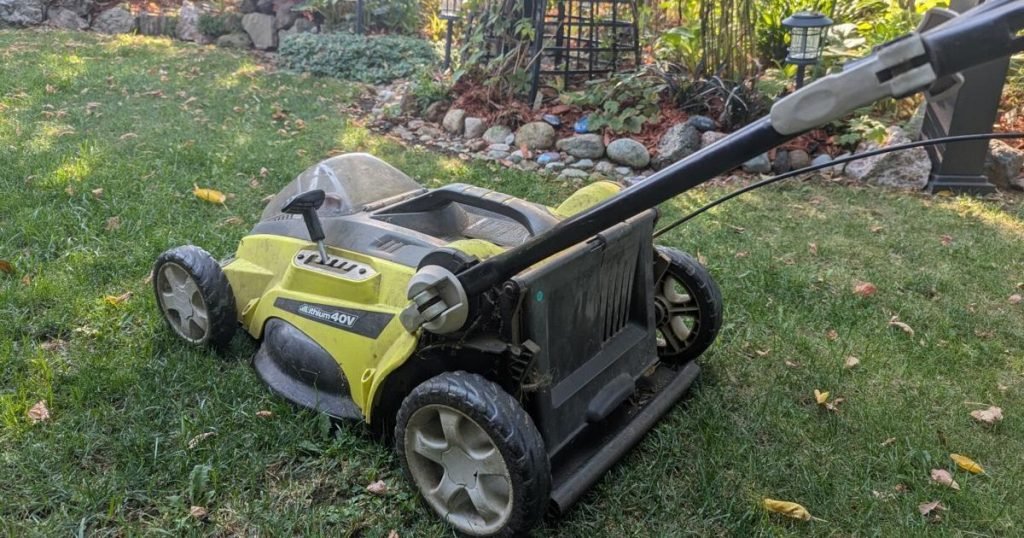
Electric mowersrun on batteries or electricity. They produce zero direct emissionswhen used. This makes them a cleaner choicefor reducing air pollution. However, the environmental impact depends on how the electricity is made. If power comes from coal or oil, emissions still happen elsewhere. Charging with renewable energy makes electric mowers much greener.
Frequency Of Mowing And Environmental Impact
Mowing too often can stress grass and increase emissions. Less frequent mowing means less fuel or electricity used. It also helps grass grow stronger and store more carbon. Grass clippings left on the lawn act as natural fertilizer. This reduces the need for chemical fertilizers, which harm the environment.
Effects On Soil Health
Mowing lawns often causes soil compaction. Heavy machines press down the soil, making it hard for air and water to reach plant roots. This weakens grass and other plants.
Continuous mowing can lead to loss of soil microorganisms. These tiny living things help break down dead plants and make nutrients available. Without them, soil becomes less healthy.
| Impact on Carbon Sequestration | Details |
|---|---|
| Reduced Carbon Storage | Compacted soil holds less carbon, increasing greenhouse gases. |
| Lower Plant Growth | Less healthy plants store less carbon in leaves and roots. |
| Microbial Activity | Loss of microbes reduces carbon capture in soil. |
Biodiversity And Lawn Care
Mowing lawnscan harm wildlife habitats. Many small animals and insects live in long grass and plants. Cutting grass often disturbs these homesand reduces shelterfor creatures.
Plant diversityalso dropsin regularly mowed lawns. Lawns usually have one type of grass, which lowers the varietyof plants. Fewer plants mean fewer food sources for insects and birds.
- Let parts of lawn growwild to help wildlife.
- Plant native flowersfor more bees and butterflies.
- Use clover or other ground coversinstead of grass.
- Create small garden patcheswith different plants.

Credit: www.yahoo.com
Sustainable Lawn Practices
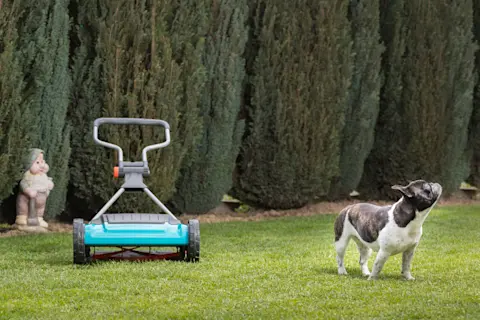
Manual mowers use no fuel, making them eco-friendly. They are quiet and good for small lawns. Electric mowers are better than gas ones. They produce less pollution. Both options help the environment. Choose the best for your lawn size.
Keep grass taller to retain moisture. Tall grass fights weeds naturally. Mow in the evening or morning. This saves water and keeps grass healthy. Avoid mowing wet grass. It can harm the lawn and mower.
Use native plants to save water. They need less care and thrive naturally. Native plants support local wildlife. They attract birds and butterflies. Adding them makes lawns beautiful and eco-friendly. They help in reducing carbon footprint.
Lawn Alternatives To Combat Climate Change
Meadows and wildflower gardensprovide a natural habitat for insects and birds. They need less water and no mowing, reducing carbon emissions. These areas improve air quality and support local wildlife.
Edible landscapescombine beauty and food production. Growing fruits, vegetables, and herbs reduces the need for store-bought produce. This lowers transportation emissions and offers fresh food at home.
Xeriscapinguses plants that need little water, ideal for dry areas. Choosing drought-resistant plants saves water and energy. It also cuts down on lawn mowing and chemical use, helping the climate.
Credit: www.discovermagazine.com

Credit: ca.style.yahoo.com
Frequently Asked Questions
Does Mowing Lawn Contribute To Climate Change?
Yes, mowing lawns emits greenhouse gases from fuel-powered mowers. These emissions add carbon dioxide and pollutants, impacting climate change. Electric mowers reduce emissions, but overall, frequent mowing can contribute negatively to the environment.
How Often Should Lawns Be Mowed To Reduce Emissions?
Mowing lawns less frequently, about once every 1-2 weeks, reduces fuel use and emissions. Longer grass also improves soil health and carbon absorption, making less frequent mowing better for the climate.
Are Electric Mowers Better For The Environment?
Electric mowers produce fewer direct emissions than gas mowers. They reduce air pollution and greenhouse gases, especially when powered by renewable energy. Electric mowers are a more climate-friendly option for lawn care.
Can Lawn Care Practices Improve Climate Impact?
Yes, practicing sustainable lawn care, like leaving grass clippings and using manual tools, reduces emissions. Planting native grasses and reducing chemical use also help lawns absorb more carbon and support biodiversity.
Conclusion
Mowing the lawn affects climate change in several ways. Gas-powered mowers release harmful gases into the air. Cutting grass too short can weaken it and reduce its ability to absorb carbon. Choosing electric mowers or mowing less often helps reduce pollution.
Grass clippings left on the lawn can return nutrients to the soil. Small changes in lawn care can support a healthier environment. Every step matters in protecting our planet’s future. Consider simple actions to mow smarter and greener.





