Are you wondering if it’s safe to mow your lawn during a drought? You might worry that cutting your grass now could harm your yard or waste precious water.
But what if mowing at the right time could actually help your lawn survive the dry spell? Understanding when and how to mow during drought can make a big difference in keeping your grass healthy. Keep reading to discover simple tips that protect your lawn and save water, so you don’t have to stress about your yard this season.
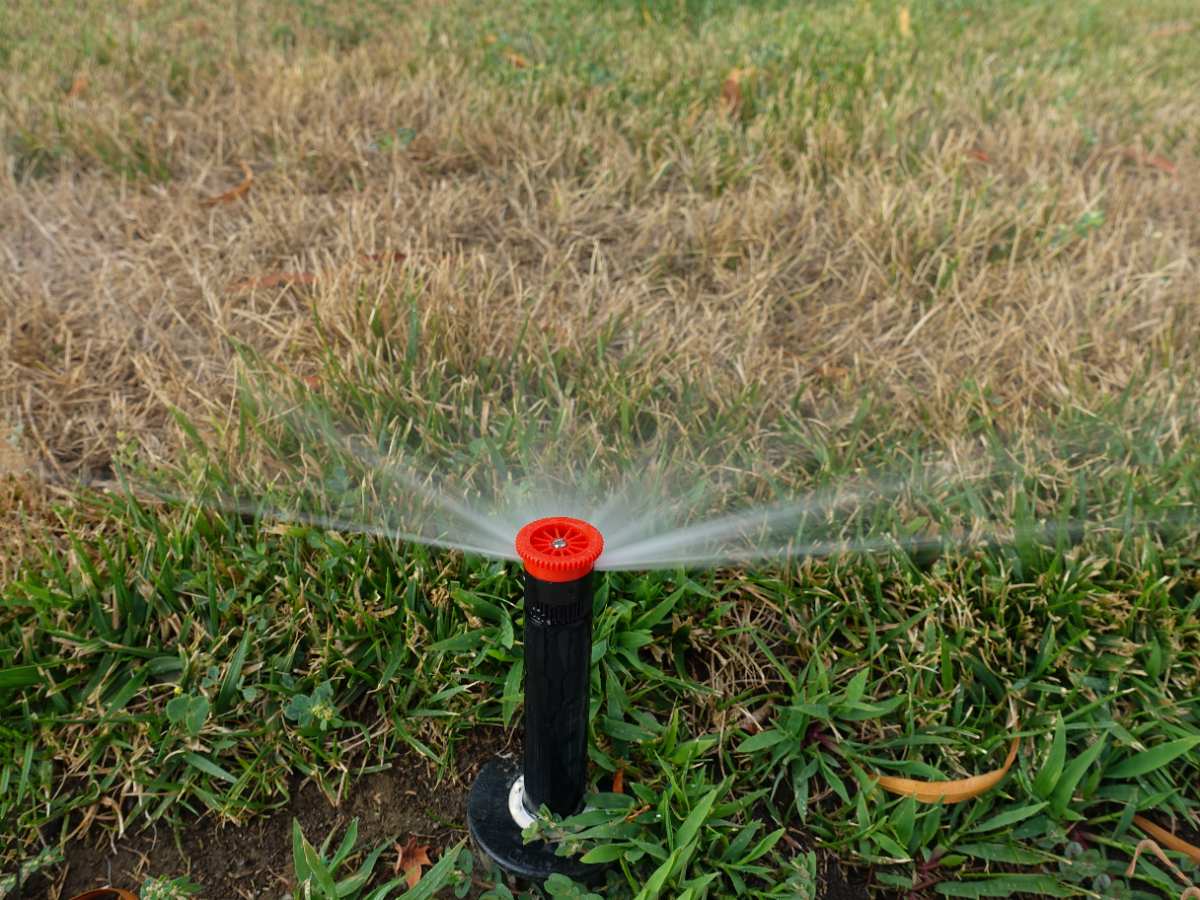
Credit: www.lawnstarter.com
Impact Of Drought On Lawns
Droughtcauses lawns to lose much water. Grass blades get dry and turn brown. This makes the lawn weak and less green. The roots can also die if they do not get enough moisture. Lack of water slows down grass growth and can kill it.
Signs showing lawn stress during drought include:
- Grass turning brownor yellow.
- Soil looks crackedand dry.
- Grass blades feel brittleor break easily.
- Footprints stay visible on the lawn.
- Grass growth slows or stops.
Mowing Practices In Dry Conditions
Keeping grass a bit longer helps it survive drought. A mowing height of 3 to 4 inchesis best. Taller grass shades the soil, reducing water loss. Cutting too short can stress the lawn and cause damage. Adjust mower blades to avoid cutting below this height.
Grass grows slower during dry times. Mow less often to avoid stressing it. Every 10 to 14 daysis enough. Let the grass blades stay longer between cuts. This helps roots stay strong and keeps soil moist.
Choose the right time to mow to save water and grass health. Early morning or late evening is best. These times are cooler and less sunny. Mowing in hot midday sun can dry the grass quickly. Avoid mowing right after heavy watering or rain to prevent soil damage.
Watering Strategies For Mowed Lawns
Water the lawn early in the morningto reduce evaporation. The cooler air helps water soak into the soil better. Avoid watering right after mowing. Let the grass recover for a few hours first. This prevents stress and helps roots absorb water well.
Use deep and infrequent wateringinstead of light and frequent watering. This encourages roots to grow deeper, making the lawn more drought-resistant. Water only when the soil feels dry a few inches below the surface.
- Use a soaker hose or drip irrigation for slow watering.
- Avoid sprinklers that waste water by spraying the air.
- Water areas that get the most sun more often.
- Skip watering on windy days to avoid water loss.
Lawn Care Tips To Protect Grass
Mowing during a drought can stress grass if done too short or too often. Keep mower blades high and cut less frequently to protect your lawn. Grass grows slower in dry times, so avoid heavy cutting to help it stay healthy.
Using Mulch To Retain Soil Moisture
Mulch helps the soil stay moist. It keeps the sun from drying it out. Spread mulch around your grass. This protects roots from heat. Mulch also keeps the soil cool. Use a layer about 2-3 inches thick. This helps grass get enough water. Mulch can be bark, straw, or leaves.Fertilizing During Drought
Fertilizer can harm grass in drought. Grass needs less food when it’s dry. Use very little fertilizer. Choose slow-release types. Too much can burn the grass. Water the lawn after fertilizing. This helps nutrients reach the roots. Only fertilize if truly needed.Avoiding Lawn Damage
Avoid walking on the grass too much. Footsteps can crush dry blades. Mow the grass when it’s cool. Keep mower blades sharp. Dull blades tear the grass. Set mower high so grass stays long. Long grass shades the roots. This keeps them cool and moist. `Alternatives To Traditional Mowing
Grasscyclingmeans leaving grass clippings on the lawn after mowing. This helps the soil keep more moisture and adds nutrients back to the grass. It can reduce the need for extra watering and fertilizer. Grasscycling is good for the environment and saves time.
Using manual or electric mowersis a quieter and cleaner choice. Manual mowers do not use gas, so they do not pollute the air. Electric mowers use less energy and are easier to start. Both types are lighter and safer to use around dry grass. They help protect your lawn during drought by cutting grass less often and more gently.
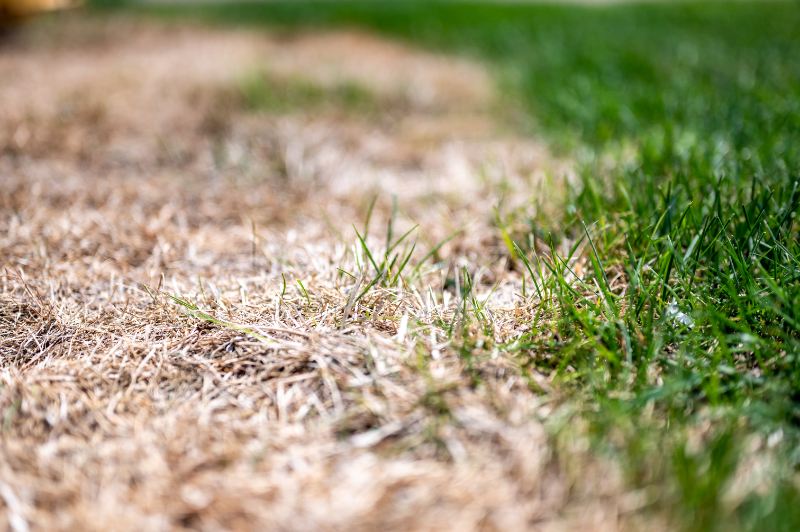
Credit: www.lawnstarter.com
Long-term Lawn Maintenance For Drought
Drought-resistant grass typeshelp lawns survive with less water. These grasses need less watering and stay green longer. Some good options include buffalo grass, Bermuda grass, and fescues. They grow well in dry soil and handle heat better.
Improving soil helps grass hold water and grow stronger. Adding organic matter like compostmakes soil soft and rich. This helps roots absorb water better. Aerating the soil also allows air and water to reach roots more easily.
- Use mulch to keep soil moist.
- Water deeply but less often.
- Avoid heavy fertilizers during drought.
:max_bytes(150000):strip_icc()/GettyImages-95492906-db35bbc6afb64c25bfd460feb3033ed6.jpg)
Credit: www.southernliving.com
Frequently Asked Questions
Is Mowing Grass Safe During A Drought?
Mowing during drought can stress your lawn further. It’s best to mow higher and less often. Taller grass shades roots, retaining moisture. Avoid cutting more than one-third of grass height to protect it.
How Often Should I Mow In Drought Conditions?
Mow less frequently during drought to reduce stress. Aim for every 10 to 14 days. Let grass grow longer to conserve water. Frequent mowing can weaken drought-affected lawns and increase water needs.
What Mowing Height Is Best During Drought?
Set your mower blades to 3 to 4 inches. Taller grass blades shade soil and reduce evaporation. This helps retain moisture and keeps roots healthier. Lower mowing heights can expose soil and dry out grass.
Can Mowing Help Grass Survive Drought?
Proper mowing can help grass survive drought by reducing water loss. Longer grass blades protect roots and soil moisture. Avoid mowing when grass is dry or stressed. Healthy mowing practices support lawn resilience in drought conditions.
Conclusion
Mowing during a drought needs care and attention. Cut grass less often to avoid stress. Keep mower blades sharp for clean cuts. Water your lawn deeply but less frequently. Watch for signs of dry or damaged grass. Healthy lawns recover better after dry spells.
Proper mowing helps save water and keeps grass alive. Small changes make a big difference in drought conditions. Stay patient and adjust your routine as needed. Your lawn will thank you with greener, stronger growth.