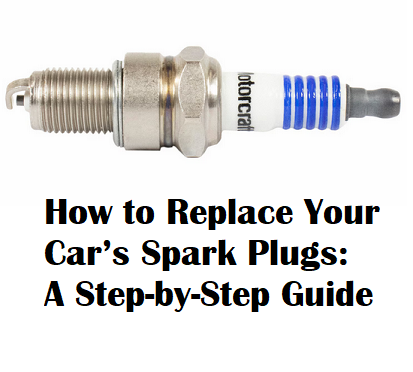
Are you wondering if replacing spark plugs is a task you can handle on your own? You’re not alone.
Many car owners find themselves questioning whether this is a job best left to the professionals or a do-it-yourself project. The truth is, understanding the process could save you time, money, and a trip to the mechanic. Imagine driving with the confidence that comes from knowing your car is in top shape because of your own handiwork.
We’ll break down the steps, tools, and tips you need to make this task easier than you might think. Keep reading to discover how you can tackle this common maintenance task and keep your vehicle running smoothly.
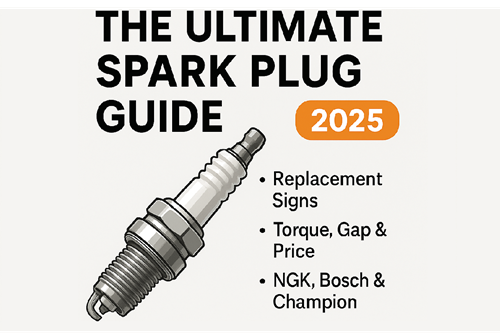
Credit: modernautoparts.co.za
Why Replace Spark Plugs
Replacing spark plugs might seem like a small task, but it plays a big role in keeping your car running smoothly. Spark plugs ignite the air-fuel mixture in your engine, so worn-out plugs can cause several issues. Understanding why you need to replace them helps you avoid bigger problems down the road.
Signs Of Worn Spark Plugs
You might notice your car struggling to start or running roughly when spark plugs wear out. Misfires, hesitation during acceleration, or a rough idle are common warning signs. Sometimes, the check engine light comes on, signaling that it’s time to take a closer look.
Have you ever experienced sudden engine jerks or a drop in power? These often point to failing spark plugs. Ignoring these signs can lead to more costly repairs later.
Impact On Engine Performance
Worn spark plugs reduce your engine’s ability to fire efficiently. This leads to poor combustion, causing your engine to work harder than it should. You’ll likely notice a decrease in acceleration and overall responsiveness.
Think about the last time your car felt sluggish or less powerful. Spark plugs could be the hidden culprit. Keeping them in good shape ensures your engine performs at its best.
Fuel Efficiency Effects
Bad spark plugs force your engine to burn more fuel to compensate for weak sparks. This means you’ll spend more at the pump without getting the mileage you expect. Replacing spark plugs can improve fuel efficiency noticeably.
If you’ve seen your fuel costs rise without changing driving habits, worn spark plugs might be why. Maintaining them helps you save money and reduces emissions, benefiting both your wallet and the environment.
Tools You’ll Need
Replacing spark plugs might seem tricky at first, but having the right tools makes the job much easier. Before you start, gather everything you need to avoid frustration and ensure a smooth process. Let’s break down the essential tools you’ll want at your fingertips.
Basic Hand Tools
Start with a reliable ratchet wrench and a set of sockets. These are your primary tools for loosening and tightening the spark plugs. Additionally, a screwdriver and pliers can come in handy for removing any covers or clips blocking access to the plugs.
Having a small extension bar can help reach deep or awkwardly placed spark plugs. If your vehicle’s engine layout is compact, this makes a noticeable difference.
Specialized Spark Plug Socket
This tool is a must-have. A spark plug socket has a rubber insert or magnetic core designed to grip the spark plug securely without damaging it. Using a regular socket can slip and ruin the delicate porcelain insulator.
Make sure you get the right size for your spark plugs, typically 5/8 inch or 13/16 inch. Using the correct socket size prevents stripping and ensures an easy removal and installation.
Safety Equipment
Never underestimate the importance of safety gear. Protective gloves shield your hands from heat and sharp engine parts. Safety glasses protect your eyes from debris or accidental sprays of oil and dirt.
Also, consider wearing a long-sleeve shirt to avoid scratches. Your safety is just as important as getting the job done right.
Step-by-step Replacement Guide
Replacing spark plugs is a task many car owners can handle with the right guidance. This step-by-step guide simplifies the process. Each step focuses on key actions for a smooth replacement. Follow these instructions to ensure your engine runs well.
Preparing Your Vehicle
Start by parking your car on a flat surface. Turn off the engine and let it cool completely. Open the hood and locate the spark plugs. Remove any engine covers blocking access. Gather tools such as a spark plug socket, ratchet, and extension. Have new spark plugs ready and check your vehicle manual for specifications.
Removing Old Spark Plugs
Disconnect the spark plug wires or ignition coils carefully. Avoid pulling on the wires directly. Use the spark plug socket and ratchet to loosen each plug. Turn counterclockwise until the plug comes out easily. Keep the old spark plugs to compare size and type with new ones. Inspect the plugs for wear or damage.
Checking And Gapping New Plugs
Check the gap on each new spark plug using a gap tool. The gap size should match your vehicle’s manual. Adjust the gap by gently bending the ground electrode. Ensure the gap is accurate to avoid engine problems. Double-check each plug before installation.
Installing New Spark Plugs
Insert each new spark plug by hand to avoid cross-threading. Screw the plug in gently until snug. Use the ratchet to tighten the plug securely, but do not overtighten. Reattach the spark plug wires or ignition coils firmly. Make sure all connections are secure before closing the hood.
Common Challenges
Replacing spark plugs is a common car maintenance task. Yet, it comes with challenges that can slow you down or cause damage. Understanding these common hurdles helps prepare you better.
Some spark plugs get stuck due to heat and carbon build-up. Removing them without proper care can be tough. Careful handling is essential to avoid breaking the plug or damaging the engine.
Dealing With Stuck Plugs
Old spark plugs often seize in the engine block. Rust, dirt, and carbon deposits cause this. Applying penetrating oil and letting it sit helps loosen the plug. Use a spark plug socket and steady force. Avoid sudden jerks that could snap the plug.
Avoiding Cross-threading
Cross-threading happens when the plug is inserted at the wrong angle. It damages the threads inside the cylinder head. Always start threading by hand. Turn slowly and feel for resistance. If it feels tight too soon, back it out and try again.
Handling Tight Spaces
Many engines have cramped spark plug areas. Limited room makes reaching plugs tricky. Use a spark plug socket with a swivel or extension. A flashlight helps to see clearly. Moving slowly reduces mistakes and avoids dropping tools inside the engine.
Expert Tips For Success
Replacing spark plugs might seem tricky, but with the right tips, you can handle it confidently. Knowing when to swap them out, picking the right type, and keeping them in good shape makes all the difference. Let’s dive into some expert advice that will help you get it right on your first try.
When To Replace Spark Plugs
Knowing the exact time to replace spark plugs saves you from engine troubles and unnecessary expenses. Most spark plugs last between 30,000 to 100,000 miles, but this depends on your vehicle and the plug type.
Watch for signs like rough idling, difficulty starting, or decreased fuel efficiency. These symptoms often point to worn-out plugs. Checking your owner’s manual is the easiest way to find the recommended replacement interval for your car.
Choosing The Right Spark Plugs
Not all spark plugs are created equal. Using the wrong type can harm engine performance or cause damage. Always match the plugs to your vehicle’s specifications—usually found in the manual or from a trusted auto parts store.
- Copper plugs:Great for older cars but wear out faster.
- Platinum plugs:Last longer and offer better performance for modern engines.
- Iridium plugs:The most durable and efficient, often worth the higher cost.
Think about your driving habits too. If you often drive in stop-and-go traffic or harsh conditions, premium plugs might be a smart choice.
Maintaining Spark Plug Health
Keeping spark plugs clean and properly gapped extends their life and keeps your engine running smoothly. Dirt and carbon buildup can cause misfires, so consider inspecting your plugs every 20,000 miles.
Use a spark plug gap tool to check spacing—it should match your vehicle’s specs exactly. Also, avoid over-tightening when installing new plugs; too much force can damage the threads or the plug itself.
Have you noticed your car’s performance dropping without a clear cause? It might be time to check those spark plugs before bigger issues arise.

Credit: www.youtube.com
When To Seek Professional Help
Knowing when to seek professional help for spark plug replacement saves time and prevents damage. Some tasks require special tools and skills. Recognizing these moments ensures safety and maintains your vehicle’s performance.
Signs You Should Not Diy
- Engine still misfires after spark plug change
- Difficulty accessing spark plugs under the engine cover
- Stripped or stuck spark plug threads
- Unfamiliar with torque specifications or spark plug types
- Check engine light stays on after replacement
Cost Considerations
DIY spark plug replacement saves money on labor. Yet, mistakes can cause costly repairs. Stripped threads or engine damage increase expenses. Professional service often includes warranty for parts and work. Consider the cost of tools if you lack them. Weigh risks versus savings carefully before deciding.
Finding A Reliable Mechanic
- Check online reviews and ratings
- Ask friends or family for recommendations
- Verify certifications and experience
- Request a clear estimate before work begins
- Choose a shop specializing in your vehicle type
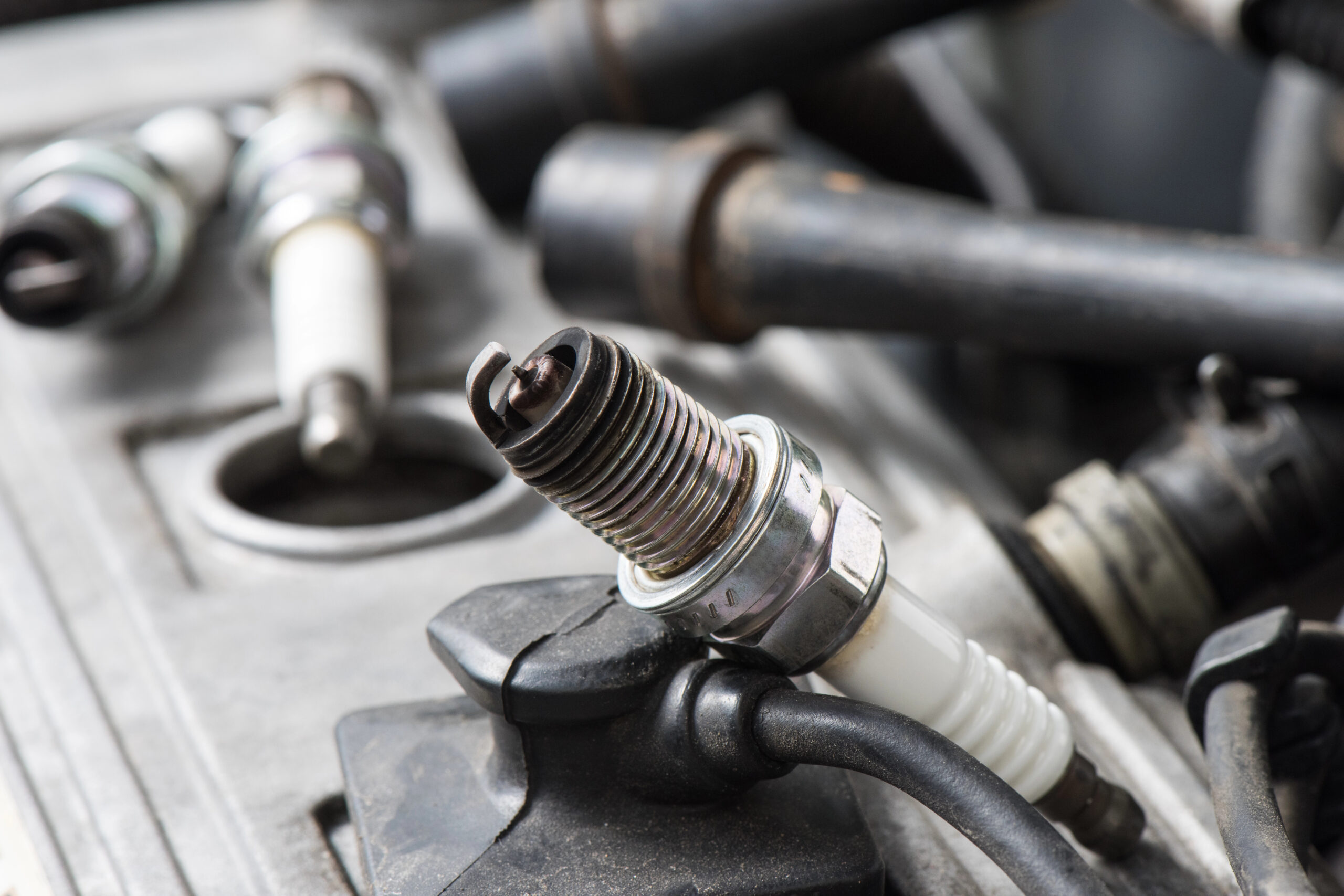
Credit: jerry.ai
Frequently Asked Questions
How Difficult Is It To Replace Spark Plugs Yourself?
Replacing spark plugs is moderately easy for those with basic tools. It requires careful handling and some mechanical knowledge. Following a step-by-step guide helps prevent damage and ensures proper installation. Beginners should take their time to avoid mistakes.
What Tools Do I Need To Replace Spark Plugs?
You need a spark plug socket, ratchet wrench, extension bar, and a gap gauge. A torque wrench is recommended for precise tightening. Having basic hand tools and a repair manual also helps. Proper tools make the job easier and safer.
How Often Should Spark Plugs Be Replaced?
Spark plugs typically last 30,000 to 100,000 miles depending on the type. Check your vehicle’s manual for specific intervals. Regular replacement ensures better engine performance and fuel efficiency. Ignoring spark plugs can cause misfires and reduced power.
Can I Damage My Engine By Replacing Spark Plugs Wrong?
Yes, improper spark plug installation can cause engine damage. Over-tightening may strip threads, while loose plugs can cause misfires. Using incorrect plugs affects performance and fuel economy. Always follow manufacturer guidelines and torque specifications carefully.
Conclusion
Replacing spark plugs is not as hard as many think. With basic tools and a little patience, anyone can do it. Knowing the right steps makes the process smoother and faster. Taking time to learn helps avoid mistakes and saves money.
Regular spark plug changes keep your engine running well. Give it a try, and you might find it easier than expected. Simple tasks like this boost your confidence in car care.





