
Are you wondering if changing spark plugs is a task you can tackle on your own? You’re not alone.
Many car owners find themselves pondering this question, often unsure of where to start. The good news is, with the right guidance, you can do it yourself. Imagine the satisfaction of saving money and giving your car a little extra TLC.
We’ll break down the process step-by-step, demystify any technical jargon, and empower you to take control of your vehicle maintenance. Stick with us, and you’ll soon see just how straightforward it can be to change spark plugs. Ready to dive in?
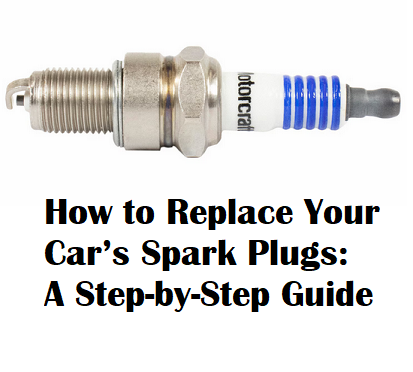
Credit: beachautomotive.com
Tools Needed
Changing spark plugs requires the right tools for a smooth job. Having the proper equipment makes the task easier and safer. Some tools are essential and must-have. Others are optional but can help speed up the process or make it more comfortable.
Essential Tools List
- Spark plug socket – fits snugly around the spark plug
- Ratchet wrench – for turning the socket
- Socket extension – helps reach deep or tight spots
- Torque wrench – to tighten plugs to the correct level
- Gap gauge – measures the spark plug gap
- Dielectric grease – protects spark plug boots from moisture
Optional Helpful Tools
- Magnetic pickup tool – retrieves dropped plugs or bolts
- Compressed air canister – cleans debris around the plug area
- Anti-seize lubricant – prevents plugs from sticking in the cylinder head
- Work light – illuminates dark engine compartments
- Gloves – protect hands from dirt and heat
- Shop rags – clean hands and parts

Credit: www.reddit.com
When To Replace Spark Plugs
Knowing when to replace spark plugs is key to keeping your engine running smoothly. Spark plugs wear out over time and affect your car’s performance. Replacing them at the right time can prevent engine problems and improve fuel efficiency.
Signs Of Worn Spark Plugs
- Engine misfires or runs rough
- Reduced fuel efficiency
- Difficulty starting the engine
- Engine idles unevenly
- Loss of power during acceleration
- Increased exhaust emissions
Recommended Replacement Intervals
Most spark plugs last between 30,000 and 100,000 miles.
Check your vehicle’s manual for exact timing.
High-performance or iridium plugs often last longer.
Replace spark plugs sooner if you notice any performance issues.
Preparing Your Vehicle
Preparing your vehicle before changing spark plugs is vital for a smooth and safe process. Taking time to get ready helps avoid damage and injury. It also makes the task quicker and easier.
Safety Precautions
Start by parking your car on a flat, stable surface. Turn off the engine and let it cool completely. Hot engine parts can cause burns. Disconnect the negative battery cable to stop electrical shocks. Wear gloves and safety glasses to protect your hands and eyes. Keep tools organized to prevent accidents. Work in a well-ventilated area to avoid inhaling fumes.
Accessing The Spark Plugs
Open the hood and locate the spark plugs. Their position varies by engine type. Remove any covers or components blocking access. Use a flashlight to see clearly. Carefully disconnect the spark plug wires or ignition coils. Label wires if needed to avoid confusion during reassembly. Use the right tools to avoid damaging spark plugs or wires. Clean the area around the spark plugs to prevent dirt from entering the engine.
Removing Old Spark Plugs
Removing old spark plugs is the first important step in changing them. It requires care and the right tools to avoid damage. Each spark plug must be disconnected and unscrewed carefully. This part of the job sets the stage for installing new spark plugs that work well.
Disconnecting Spark Plug Wires
First, gently pull the spark plug wires from each plug. Hold the boot, not the wire, to avoid damage. Wiggle the boot slightly if it feels stuck. Do not pull hard on the wire itself. This prevents breaking the wire inside the boot.
Using The Right Socket
Use a spark plug socket that fits perfectly. These sockets have rubber inside to grip the plug. Attach the socket to a ratchet or wrench. Turn counterclockwise slowly to loosen the spark plug. The right socket helps avoid slipping and damage.
Avoiding Damage
Turn spark plugs slowly and steadily. Do not force them if they feel stuck. Use penetrating oil if needed to loosen tight plugs. Keep the socket straight to avoid cross-threading. Handle all parts carefully to prevent cracks or breaks.
Installing New Spark Plugs
Installing new spark plugs is a key part of basic car maintenance. It can improve engine performance and fuel efficiency. Knowing the right way to install spark plugs ensures your engine runs smoothly. Careful attention to details during installation can prevent engine problems later.
Checking Spark Plug Gap
The spark plug gap is the distance between the center and ground electrodes. This gap affects the spark’s strength and engine efficiency. Use a feeler gauge to measure the gap accurately. Compare the measurement with the vehicle manufacturer’s recommended gap. Adjust the gap gently by bending the ground electrode if needed. Avoid forcing the electrodes too much to prevent damage.
Proper Installation Techniques
Start by cleaning the spark plug hole to remove dirt and debris. Insert the spark plug carefully by hand. This prevents cross-threading and damage to the cylinder head. Once hand-tight, use a spark plug socket and ratchet for further tightening. Avoid over-tightening, which can strip threads or break the plug. Keep wires and connectors clean and secure when reattaching them.
Torque Specifications
Correct torque is crucial for spark plug installation. Use a torque wrench to tighten plugs to the exact specification. The correct torque varies by vehicle and spark plug type. Too little torque may cause poor contact or leaks. Too much torque can damage the spark plug or engine threads.
| Vehicle Type | Torque Range (ft-lbs) |
|---|---|
| Passenger Cars | 12 – 15 |
| Trucks and SUVs | 15 – 20 |
| High-Performance Engines | 18 – 22 |
Testing After Installation
Testing after installing new spark plugs is a key step. It confirms the plugs work well and the engine runs smoothly. This process helps spot problems early before driving on busy roads. Proper testing ensures better fuel efficiency and engine power.
Starting The Engine
Turn the key or press the start button gently. Listen for a smooth engine sound without unusual noises. The engine should start quickly without hesitation. Watch for any rough idling or stalling. These signs may indicate installation issues or faulty plugs. Allow the engine to warm up for a few minutes to settle.
Checking For Performance Issues
Drive the car slowly and pay attention to acceleration. The engine should respond quickly without misfires or jerks. Notice any loss of power or strange vibrations. Check the dashboard for warning lights related to the engine. If problems appear, recheck the spark plugs and wiring. Testing performance ensures your car runs reliably and efficiently.
Common Mistakes To Avoid
Changing spark plugs might seem straightforward, but certain mistakes can turn a quick job into a costly headache. Avoiding these common errors will save you time and prevent damage to your engine. Let’s break down what to watch out for to keep your spark plug replacement smooth and effective.
Cross-threading
Cross-threading happens when you insert the spark plug at the wrong angle or force it in too hard. This damages the threads in the cylinder head, making future spark plug changes difficult and expensive to fix.
Always start threading the spark plug by hand, turning it slowly and gently. If it doesn’t screw in easily, don’t force it—back it out and try again. Have you ever felt something wasn’t right but pushed through anyway? That’s exactly what leads to cross-threading.
Over-tightening
It’s common to think that tighter is better, but over-tightening spark plugs can crack the ceramic insulator or strip the threads. This can cause misfires or even damage the engine block.
Use a torque wrench to tighten the spark plug to the manufacturer’s specifications. If you don’t have one, snug it firmly and then give it just a small additional turn. Have you noticed how much effort is really needed? Often less is more when it comes to tightening.
Using Incorrect Spark Plugs
Not all spark plugs are created equal. Using the wrong type or heat range can lead to poor engine performance and increased wear.
Check your owner’s manual or consult a trusted parts supplier before buying. Using the exact spark plug designed for your engine ensures optimal combustion and longevity. Have you ever grabbed the wrong part just because it looked similar? That small mistake can cost you more than you think.
Tips For Easy Spark Plug Changes
Changing spark plugs can seem tricky at first, but a few smart habits can make the process smoother and less frustrating. Paying attention to how you set up your workspace and handle parts can save you time and prevent mistakes. Here are some practical tips to help you change spark plugs with confidence.
Organizing Parts And Tools
Before you start, gather all the tools and parts you’ll need. This usually includes a spark plug socket, a ratchet, a gap gauge, and new spark plugs.
Lay everything out on a clean surface close to your work area. This keeps you from scrambling for tools mid-job and helps you spot if anything is missing.
I once started changing plugs without checking my gap gauge first, and it cost me extra time fixing uneven gaps. Don’t let that be you.
Working In Good Lighting
Good lighting isn’t just for comfort—it’s essential for spotting dirt, rust, or damage on your spark plugs and engine parts.
Use a bright flashlight or work under sunlight if possible. Shadows can hide issues that might cause problems later.
If you’ve ever fumbled with tiny parts in dim light, you know how frustrating it is. Proper lighting reduces errors and speeds up the process.
Keeping Track Of Components
Keeping track of components can be tricky, especially if your engine has multiple spark plugs. Label each plug’s position or take a photo before removal.
Use small containers or magnetic trays to hold bolts and screws safely. Losing even one small part can halt your progress.
Ask yourself: How will you remember which plug goes where? Taking simple steps to organize can make reassembly stress-free.

Credit: simonsautorepairtaunton.com
Frequently Asked Questions
Is Changing Spark Plugs A Difficult Task?
Changing spark plugs is generally easy with basic tools. Most car owners can do it themselves by following a manual or guide.
How Often Should Spark Plugs Be Replaced?
Spark plugs typically need replacement every 30,000 to 100,000 miles, depending on the type and vehicle model.
What Tools Are Required To Change Spark Plugs?
You mainly need a spark plug socket, ratchet wrench, gap gauge, and sometimes a torque wrench for proper installation.
Can Old Spark Plugs Cause Engine Problems?
Yes, worn spark plugs can cause misfires, poor fuel economy, and rough idling, affecting overall engine performance.
Conclusion
Changing spark plugs can be simple with the right tools and steps. Many people handle it themselves to save time and money. Knowing your car model helps avoid mistakes. Take your time and follow instructions carefully. If unsure, asking a mechanic is a smart choice.
Regular spark plug changes keep your engine running well. It’s a small task that makes a big difference. Give it a try, and you might find it easier than expected.





