Have you ever wondered about the little details that keep your car running smoothly? One of those often-overlooked details is the use of dielectric grease on spark plugs.
You might be asking yourself, “Is dielectric grease necessary for my spark plugs? ” This question might seem trivial, but understanding the role of this special grease could mean the difference between a smooth ride and unexpected hiccups on the road.
Imagine cruising without the fear of misfires or electrical issues. Intrigued? Stick around to discover why this simple product might just become your spark plug’s best friend and how it can save you from future headaches.

Credit: www.amazon.com
Purpose Of Dielectric Grease
Dielectric grease plays an important role in the maintenance of spark plugs. It is a silicone-based grease that helps protect electrical connections. Its main purpose is to keep moisture, dirt, and corrosion away from the spark plug parts. This simple product can improve the overall function and life of the spark plugs.
Preventing Moisture And Corrosion
Moisture can cause corrosion on spark plug terminals and connectors. Corrosion weakens the electrical connection and causes misfires. Dielectric grease forms a protective barrier that stops water from reaching metal parts. This barrier helps prevent rust and corrosion, keeping the spark plug clean and dry.
Enhancing Electrical Insulation
Dielectric grease does not conduct electricity but provides excellent insulation. It fills small gaps between spark plug parts, preventing electrical shorts. This insulation ensures that the electrical current flows only where it should. As a result, it helps maintain a strong and stable spark.
Improving Spark Plug Performance
By preventing corrosion and ensuring good insulation, dielectric grease helps spark plugs perform better. It reduces the chance of misfires and rough engine starts. The grease also makes it easier to remove spark plugs during maintenance. This small step can lead to smoother engine operation and longer spark plug life.

Credit: www.youtube.com
When To Use Dielectric Grease
Knowing when to use dielectric grease on spark plugs helps protect your engine parts. This grease prevents moisture and dirt from causing problems. It also stops electrical shorts around the spark plug connections. Using it in the right situations keeps your vehicle running smoothly and safely.
Conditions That Benefit Most
- High humidity or wet weather areas
- Engines exposed to water or road salt
- Older vehicles with worn spark plug boots
- Engines with ignition coil connectors prone to corrosion
- Areas where dust and dirt buildup is common
- During spark plug replacement to ensure a good seal
Situations Where It’s Not Needed
- Engines with spark plug boots made from silicone
- When spark plug wires have built-in moisture protection
- In dry, clean environments with little corrosion risk
- Engines using coil-on-plug ignition systems without boots
- If manufacturer instructions advise against its use
Application Tips
Applying dielectric grease to spark plugs can improve their performance and longevity. Proper application ensures the grease works effectively without causing issues. Understanding the right way to apply it prevents problems and boosts engine reliability.
How To Apply Correctly
Clean the spark plug boot and terminal before applying grease. Use a small amount of dielectric grease. Spread it evenly inside the spark plug boot. Avoid putting grease on the metal electrode. Insert the spark plug carefully into the boot. This helps keep moisture out and makes removal easier.
Common Mistakes To Avoid
- Applying too much grease can cause misfires.
- Putting grease on the spark plug tip blocks the spark.
- Using the wrong type of grease reduces effectiveness.
- Skipping surface cleaning leads to poor grease adhesion.
- Forgetting to check compatibility with your spark plug model.

Credit: www.amazon.com
Alternatives To Dielectric Grease
Dielectric grease is common for spark plugs, but some prefer alternatives. These options protect spark plug boots and connectors from moisture and corrosion. They help maintain good electrical connections and extend spark plug life.
Some products offer similar benefits but use different materials. Choosing the right one depends on your needs and environment. Understanding the options helps make a smart choice.
Other Protective Products
- Silicone Grease:A thick grease that resists water and heat well.
- Petroleum Jelly:Easy to find and apply but may melt under high heat.
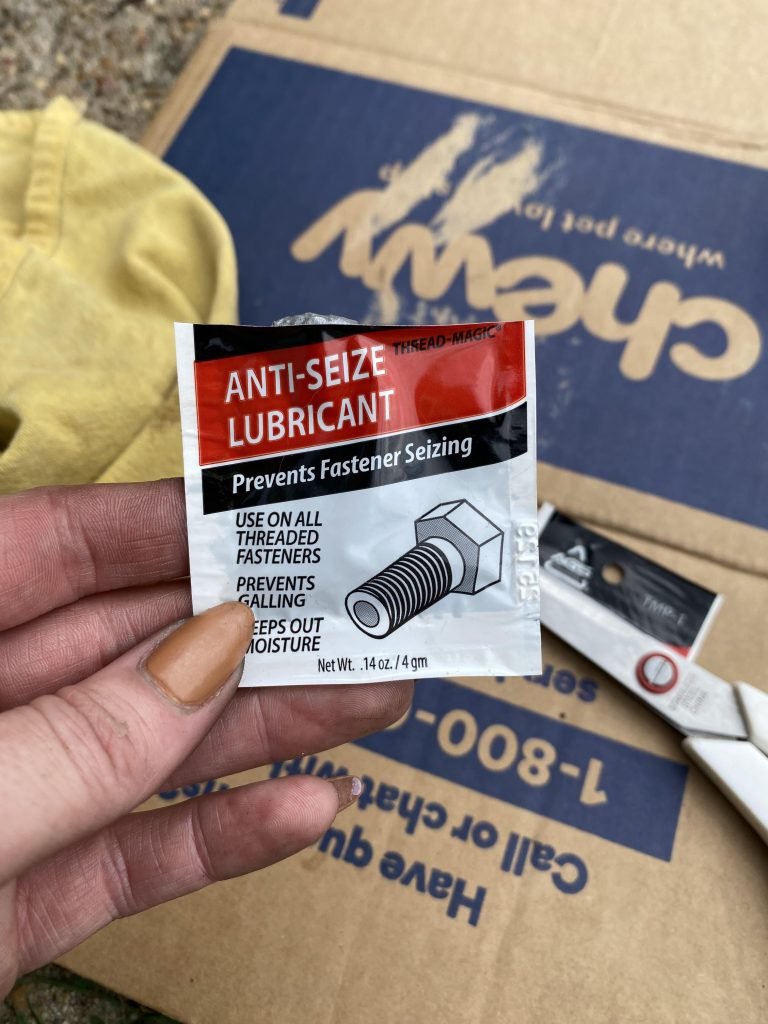
- Anti-Seize Compound:Prevents parts from sticking but does not seal moisture as well.
- Heat-Resistant Lubricants:Designed for high temperatures but may lack dielectric properties.
- Electrical Contact Cleaner:Cleans connections but does not protect against moisture long-term.
Pros And Cons Compared To Dielectric Grease
| Product | Pros | Cons |
|---|---|---|
| Silicone Grease | Waterproof, heat resistant, good electrical insulation | Can be messy, harder to clean |
| Petroleum Jelly | Cheap, easy to apply | Melts at high heat, less durable |
| Anti-Seize Compound | Prevents corrosion, easy disassembly | Not a good moisture barrier, conductive |
| Heat-Resistant Lubricants | Handles high temperatures well | May not insulate electrically |
| Electrical Contact Cleaner | Removes dirt and corrosion | No long-term protection from moisture |
Impact On Spark Plug Longevity
The impact of dielectric grease on spark plug longevity is a topic many car owners overlook. Yet, the right choice here can make a real difference in how long your spark plugs last and how well your engine runs. Understanding this impact helps you decide whether applying dielectric grease is worth the effort during installation or maintenance.
Effect On Durability
Dielectric grease acts as a protective barrier against moisture and corrosion. By sealing the spark plug boot, it prevents water and dirt from causing rust or electrical shorts. This protection can extend the life of your spark plugs by reducing wear and tear caused by environmental factors.
Think about a time when you drove through heavy rain or mud. Without dielectric grease, your spark plugs might have been exposed to moisture, which can lead to misfires or premature failure. Using the grease helps maintain a stable connection, which means your spark plugs stay in good condition longer.
Influence On Engine Performance
Good electrical insulation from dielectric grease ensures consistent spark delivery. This consistency means your engine runs smoother and more efficiently, avoiding rough idling or hesitation during acceleration. Over time, this can translate into better fuel economy and fewer maintenance issues.
Have you ever noticed a sudden drop in engine performance after changing spark plugs? Sometimes, poor electrical contact causes these problems, which dielectric grease can help prevent. By improving the spark plug’s connection, the grease supports optimal engine function and responsiveness.
Frequently Asked Questions
What Is Dielectric Grease For Spark Plugs?
Dielectric grease is a silicone-based lubricant. It prevents moisture, corrosion, and electrical arcing around spark plug connections. This helps maintain a strong spark and improves engine performance.
Does Dielectric Grease Improve Spark Plug Life?
Yes, dielectric grease extends spark plug life. It protects against corrosion and moisture buildup. This reduces misfires and ensures consistent engine operation over time.
Can Dielectric Grease Cause Spark Plug Problems?
No, when used properly, dielectric grease does not cause problems. It prevents electrical shorts and protects connections. Avoid applying it on the electrode or spark plug tip.
How Do I Apply Dielectric Grease To Spark Plugs?
Apply a thin layer of dielectric grease inside the spark plug boot. Avoid getting grease on the spark plug tip or electrode. This ensures proper spark and prevents damage.
Conclusion
Using dielectric grease on spark plugs helps protect them from moisture and corrosion. It also makes installing spark plugs easier and prevents electrical leaks. Not all spark plugs need grease, but it is useful in many cases. Always check your vehicle’s manual before applying it.
Keeping spark plugs clean and well-protected improves engine performance. A little grease can help your car run smoother and last longer. Simple steps like this make a big difference in car care. Consider dielectric grease as a helpful addition, not a must-have, for spark plug maintenance.





