You’ve spent hours researching the best lawn mower for your needs, but have you ever thought about the engine oil that keeps it running smoothly? Specifically, is 5W-30 oil the right choice for your trusty grass-cutting companion?
Choosing the right oil is crucial, not just for the health of your mower, but for the lushness of your lawn. Imagine the satisfaction of a perfectly manicured lawn, all thanks to a well-maintained machine. By the end of this article, you’ll discover whether 5W-30 is the secret ingredient your lawn mower craves, ensuring it performs at its best every time you start it up.
Let’s dive into the details that could transform your mowing experience.
Choosing The Right Oil
Choosing the right oil for your lawn mower is more important than you might think. The oil keeps the engine running smoothly and prevents costly damage. Picking the wrong type can reduce performance and even shorten your mower’s life.
Why Oil Matters For Lawn Mowers
Oil lubricates the moving parts inside your mower’s engine. Without proper lubrication, these parts can wear out quickly or seize up. This can lead to expensive repairs or the need to replace the mower altogether.
Good oil also helps cool the engine by carrying heat away from the metal parts. It traps dirt and debris, keeping the engine clean. This means your mower runs more efficiently and lasts longer.
Have you ever noticed your mower running rough or overheating? That could be a sign the oil isn’t doing its job well. Using the right oil ensures your mower performs at its best every time you cut the grass.
Common Oil Types Explained
You’ll often see oil labeled with numbers like 5W-30 or 10W-40. These numbers indicate the oil’s thickness or viscosity at different temperatures. The first number (before the “W”) shows how the oil flows in cold weather, and the second number shows how it performs when the engine is hot.
- 5W-30:Thin at cold temperatures but thick enough to protect when hot. Great for moderate climates and newer mowers.
- 10W-30:Slightly thicker than 5W-30, suitable for warmer climates or older engines.
- Synthetic oils:Offer better protection but can be more expensive. They last longer and perform well under extreme conditions.
Many lawn mower manufacturers recommend 5W-30 because it balances cold start protection with good high-temperature performance. However, always check your mower’s manual before choosing oil. Using 5W-30 might be perfect for your mower, but it might not be the best for another model or climate.
5w-30 Oil Benefits
5W-30 oil is popular for many engines, including some lawn mowers. It offers a balance of protection and efficiency. This oil type adapts well to different engine needs. Understanding its benefits helps in choosing the right oil for your mower.
Viscosity And Performance
5W-30 oil has a versatile viscosity rating. It flows easily at low temperatures, ensuring quick engine start-up. It also maintains thickness at higher temperatures, protecting engine parts from wear. This balance helps the engine run smoothly and efficiently. The oil reduces friction and prevents damage during operation. It supports engine longevity and consistent performance.
Temperature Adaptability
5W-30 oil performs well in a range of weather conditions. The “5W” means it works well in cold starts, especially in cool mornings. The “30” means it can handle engine heat during mowing tasks. This temperature adaptability ensures the engine stays lubricated and cool. It avoids oil thinning or thickening that can harm engine parts. This makes 5W-30 a reliable choice for various climates.
When To Use 5w-30
Choosing the right oil for your lawn mower can impact its performance and lifespan. Knowing when to use 5W-30 oil helps you maintain the engine properly. It’s not just about pouring oil in; it’s about matching the oil type to the engine’s needs and the conditions you’re mowing in.
Recommended Engine Types
5W-30 oil works best in small engines designed for lawn mowers that operate within a wide temperature range. Many modern lawn mower engines, especially those made by brands like Honda and Briggs & Stratton, recommend 5W-30 due to its balanced viscosity.
If your mower has a 4-stroke engine, 5W-30 often fits well because it provides good lubrication during cold starts and maintains protection at higher operating temperatures. However, older or specialized engines might require different grades, so always check your owner’s manual.
Seasonal Considerations
Temperature plays a big role in deciding if 5W-30 is the right choice. This oil performs well in spring and fall when temperatures range from cold to moderate. It flows easily when cold but remains thick enough to protect your engine as it heats up.
In very hot summer months, some users prefer a heavier oil, like 10W-30, for extra protection under stress. Conversely, if you live in a very cold area, 5W-30 helps your mower start smoothly without oil thinning out too much.
Have you noticed your mower struggling to start or running rough in certain seasons? Switching to 5W-30 at the right time might solve that problem.
Potential Drawbacks
While 5W-30 oil is often recommended for many small engines, it’s important to consider some potential drawbacks before using it in your lawn mower. Understanding these risks helps you avoid engine damage and maintain peak performance. Let’s look at some key issues you might face.
Compatibility Issues
Not all lawn mower engines are designed to run on 5W-30 oil. Some manufacturers specify different viscosity grades, like SAE 30 or 10W-30, depending on the engine’s design and operating conditions.
Using 5W-30 in an engine that requires a thicker oil can cause poor lubrication. This may lead to increased wear and tear, especially in older or high-temperature engines.
Have you checked your mower’s manual to confirm if 5W-30 is approved? Ignoring this simple step can void warranties and cause avoidable repairs.
Oil Breakdown Risks
5W-30 oil is formulated to flow well in cold conditions, but it might break down faster in the high-heat environment of a lawn mower’s engine.
Thin oils like 5W-30 can lose their protective properties quicker under intense engine heat, leading to sludge buildup and reduced engine life.
From personal experience, switching to a thicker oil during hot summer months helped my mower run smoother and last longer. Could your mower benefit from a seasonal oil change instead of sticking to one type all year?
Alternative Oils To Consider
Choosing the right oil for your lawn mower matters a lot. Different oils suit different engines and climates. Some oils offer better protection and last longer. Exploring alternatives to 5W-30 helps keep your mower in top shape. Here are some common options to consider.
Sae 30 And Other Grades
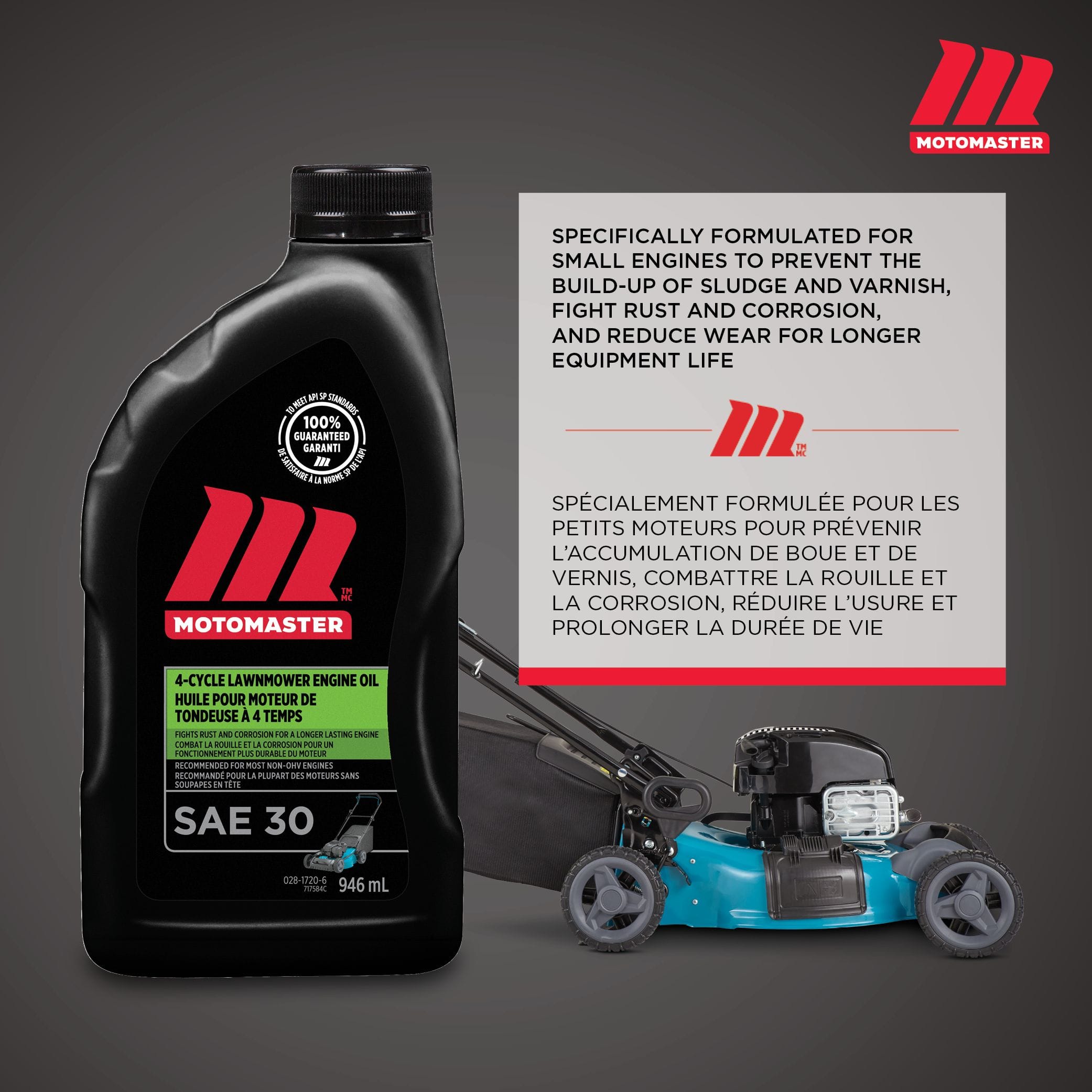
SAE 30 is a popular choice for lawn mowers. It works well in warm weather and provides good engine protection. This oil is thicker than 5W-30, which helps in hot temperatures. Some mowers may need SAE 10W-30 or SAE 5W-20 depending on the climate. Check your mower’s manual to find the right grade. Using the correct grade helps the engine run smoothly and lasts longer.
Synthetic Vs Conventional Oils
Synthetic oils are made with advanced chemicals. They resist heat better and keep the engine cleaner. Synthetic oil also flows smoothly in cold weather. Conventional oils are cheaper and more common. They work fine for many mowers but break down faster. Choose synthetic oil for longer engine life and better performance. Conventional oil is a good budget-friendly choice for light use.
Credit: cansap.ca
Oil Change Best Practices
Changing the oil in your lawn mower is vital for its smooth operation and longevity. Using the right oil type, like 5W-30, is only part of the process. Following best practices during oil changes ensures the engine stays protected and runs efficiently. Proper oil maintenance saves money on repairs and keeps your mower ready for every task.
Frequency And Timing
Check your lawn mower’s manual for oil change recommendations. Most mowers need an oil change after 25 to 50 hours of use. For seasonal mowers, change the oil at least once a year. Always change the oil before storing the mower for winter. Fresh oil prevents engine corrosion and buildup during storage.
Proper Disposal Methods
Used oil is harmful to the environment. Never pour it on the ground or into drains. Collect the old oil in a clean container with a tight lid. Take the used oil to a recycling center or an auto shop that accepts it. Proper disposal protects soil, water, and wildlife from pollution.
Maintaining Lawn Mower Health
Keeping your lawn mower in top shape is key to a smooth mowing experience and a longer machine life. Regular care helps avoid unexpected breakdowns and expensive repairs. By paying attention to small details, you ensure your mower runs efficiently every time you need it.
Regular Inspections
Make it a habit to check your lawn mower before and after each use. Look for signs of wear like cracks in the blades or loose bolts. Even small leaks or unusual noises can hint at bigger problems.
Check the oil level regularly, especially if you’re using 5W 30 oil. This oil type works well in many conditions, but running low can damage the engine quickly. Don’t forget to clean the air filter and spark plug—they play a big role in keeping the engine healthy.
Additional Maintenance Tips
- Change the oil:Replace the 5W 30 oil after every 25 hours of mowing or at least once per season. Fresh oil means less friction and smoother performance.
- Sharpen the blades:Dull blades tear grass instead of cutting it cleanly. Sharp blades protect your lawn and reduce engine strain.
- Keep the mower clean:Remove grass clippings and debris after each use to prevent rust and clogging.
- Store properly:Keep your mower in a dry place and cover it if possible. Moisture can lead to rust and damage electrical parts.
Have you ever skipped a small check and ended up with a costly repair? Taking a few minutes for routine maintenance can save you a lot of trouble and keep your mower running like new. What’s the one maintenance task you find easiest to forget?

Credit: hillsidewealth.ca

Credit: www.ebay.ca
Frequently Asked Questions
Is 5w-30 Oil Suitable For All Lawn Mowers?
5W-30 oil works well for most four-stroke lawn mowers. It offers good protection in various temperatures. Always check your mower’s manual to confirm the recommended oil type before use.
Can 5w-30 Improve Lawn Mower Engine Life?
Yes, 5W-30 oil helps reduce engine wear by lubricating parts effectively. It maintains viscosity under heat, which protects the engine and extends its lifespan.
When Should I Use 5w-30 Oil In My Mower?
Use 5W-30 oil in moderate to warm weather conditions. It flows well at startup and maintains thickness during operation, ensuring smooth engine performance.
Is Synthetic 5w-30 Better For Lawn Mowers?
Synthetic 5W-30 offers superior engine protection compared to conventional oil. It resists breakdown, reduces sludge, and enhances mower efficiency, especially in extreme temperatures.
Conclusion
Choosing 5W-30 oil for your lawn mower depends on the engine type. It works well in many small engines, especially in warmer weather. This oil helps keep the engine clean and running smoothly. Always check your mower’s manual before picking oil.
Using the right oil extends engine life and saves money. Remember, good care means better lawn mower performance. Simple steps, big results.