Imagine a world where the hum of a lawn mower is absent from weekend mornings. Instead, the soothing sounds of nature fill the air as you gaze upon well-manicured lawns.
You might wonder, “How did people keep their lawns so pristine before the invention of the modern lawn mower? ” This question takes us back to a time when maintaining a beautiful lawn required creativity and manual effort. Uncovering these fascinating methods will not only satisfy your curiosity but also offer a glimpse into a world where simplicity and ingenuity reigned.
Join us as we explore the captivating history of lawn care, revealing the surprising techniques used to achieve those immaculate green spaces that we cherish today.

Credit: www.angi.com
Early Lawn Maintenance
Before lawn mowers, people cared for grass using simple tools. Early lawn maintenance required hard work and patience. Gardens and lawns were trimmed by hand. This kept spaces neat and pleasant without machines.
Manual Cutting Tools
Manual cutting tools were common for lawn care. People used shears and scissors to trim small patches. These tools worked well for delicate areas. They needed close attention and steady hands. Manual tools allowed precise cuts but took time.
Use Of Scythes And Sickles
Scythes and sickles helped cut larger grass areas quickly. The curved blades made sweeping motions easy. Farmers and gardeners swung these tools to mow fields. Scythes required skill to use safely and effectively. Sickles were handy for tight spots and edges.
Animal Grazing Techniques
Before lawn mowers existed, keeping grass trimmed was a hands-on task that often involved animals. Animal grazing was a practical way to manage lawns and fields, especially for those who lived close to farms or rural areas. Using animals to graze not only saved time but also added natural fertilizer to the soil, creating a sustainable cycle.
Sheep And Goats As Natural Mowers
Sheep and goats were common choices for naturally trimming grass. These animals enjoy nibbling on various plants, including tough grasses and weeds that might otherwise take over a lawn. If you’ve ever seen a flock of sheep in a field, you’ll notice how evenly they graze, almost like nature’s own lawnmowers.
Goats, on the other hand, are less picky and can clear brush and shrubs that sheep might avoid. This made goats especially useful for keeping overgrown areas in check. You could think of them as multitasking lawn caretakers, trimming grass and clearing unwanted plants simultaneously.
Advantages And Limitations
Using animals to mow lawns had clear benefits. It was cost-effective since it didn’t require fuel or machinery. The animals also naturally fertilized the soil with their droppings, promoting healthy grass growth.
However, there were downsides. Animals need care, food, and shelter, which means you had to invest time and resources beyond just lawn maintenance. Plus, they could sometimes damage delicate plants or overgraze an area, leaving patches of bare ground.
Would you consider using animals to maintain your lawn today? It’s an idea that challenges modern convenience but offers a glimpse into a more connected way of caring for the land.
Primitive Mechanical Devices
Before the convenience of modern lawn mowers, people relied on primitive mechanical devices to keep their lawns neat. These early tools combined simple engineering with human or animal power to trim grass efficiently. Understanding these devices gives you a new appreciation for how much effort went into maintaining green spaces.
Push Reel Mowers
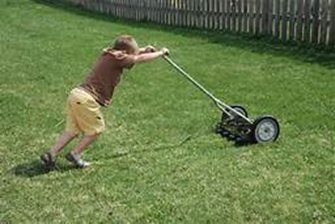
Push reel mowers were one of the first mechanical lawn cutting tools. Instead of a motor, they use a set of sharp blades that spin when you push the mower forward. This design allows for a clean cut, much like scissors trimming hair.
Using a push reel mower requires physical effort and a bit of technique. You need to push steadily to keep the blades turning and cut the grass evenly. Have you ever noticed how much quieter and eco-friendly these mowers are compared to gas-powered ones?
Horse-drawn Mowing Machines
For larger lawns or estates, horse-drawn mowing machines were a practical solution. These machines were attached to horses, using the animals’ strength to power the cutting blades. It was a step up from manual cutting, covering more ground with less human fatigue.
Imagine guiding a horse while managing the mowing machine’s speed and direction—this required skill and coordination. If you’ve ever worked with animals, you know that it’s not just about the machine but also about understanding your partner. Could using such machines have been the first step towards mechanizing lawn care on a larger scale?
Labor And Social Aspects
Before the invention of lawn mowers, maintaining a tidy lawn was a labor-intensive task that reflected social status and required skilled hands. The care of lawns was often a symbol of wealth, relying heavily on the work of gardeners and servants. Understanding the labor and social aspects helps you appreciate the effort behind those perfectly trimmed lawns of the past.
Role Of Gardeners And Servants
Gardeners and servants played a crucial role in lawn maintenance. Their work was not just physical but also required knowledge of plants and soil. You might be surprised to learn that some estates employed entire teams dedicated solely to lawn care.
These workers used tools like scythes, shears, and sickles to trim grass. It was hard, repetitive work that demanded precision to avoid damaging the lawn. Have you ever thought about how much patience it took to keep a lawn even and neat without machines?
Seasonal Lawn Care Practices
Lawn care was closely tied to the seasons, with different tasks assigned to each period. In spring, workers focused on clearing debris and preparing the soil for new growth. Summer demanded regular trimming using manual tools to keep the grass at a manageable height.
As autumn arrived, lawns were often raked to remove fallen leaves and prevent mold. Winter usually meant a break from active care, but gardeners still monitored the lawn for damage. This seasonal rhythm required planning and consistent effort, unlike the quick fix you might expect today.
Regional Variations
Before lawn mowers, people used various ways to trim grass. These ways changed depending on the region. The tools and techniques reflected the local environment and culture. Some methods were simple, while others required more skill or teamwork.
European Methods
In Europe, scythes were popular for cutting grass. These long, curved blades could cut large areas quickly. People held the scythe with both hands and swung it side to side.
Sickles were used for smaller areas or detailed work. These hand-held tools had a short curved blade. They required bending down to cut grass close to the ground.
Horse-drawn mowers appeared later. They used blades to cut grass while pulled across fields. This helped manage larger lawns and meadows efficiently.
Techniques In Other Cultures
In Asia, people often used simple hand tools made from bamboo or metal. These tools were light and easy to carry. They allowed workers to cut grass and weeds in hilly or wet areas.
Some Native American tribes used sharp stones or shells to cut grass and plants. These tools were crafted carefully to fit their needs.
African communities sometimes grazed animals like goats or sheep to keep grass short. This natural method also helped fertilize the land.
Credit: www.hgtv.com
Transition To Modern Mowing
The shift from manual lawn care to modern mowing tools marks a significant moment in gardening history. Before the invention of the lawn mower, maintaining a tidy lawn was a labor-intensive chore. Understanding this transition helps you appreciate the convenience and efficiency of today’s lawn care practices.
Invention Of The Lawn Mower
In 1830, Edwin Budding invented the first mechanical lawn mower in England. This machine used a set of blades that rotated to cut grass evenly, replacing the need for scythes or shears. His design was inspired by cloth-cutting machines, showing how innovation often comes from unexpected places.
Early mowers were pushed by hand, which made them easier and quicker than previous methods but still required physical effort. Over time, designs improved with steam power and later gasoline engines, making lawn mowing accessible to many households. Imagine how much time and energy you save with a modern mower compared to cutting grass by hand.
Impact On Lawn Care Practices
The lawn mower changed not just how lawns were cut but also how they were cared for. With easier trimming, people started to maintain lawns more frequently, leading to neater and healthier grass. This shift also made lawns a central part of home aesthetics, influencing garden design and landscaping trends.
You might wonder how your lawn care routine would change if you had to cut your grass manually. Would you maintain your lawn as often? The invention of the mower made it possible to keep lawns looking their best with minimal effort, which impacts how you plan and enjoy your outdoor space today.
Credit: medium.com
Frequently Asked Questions
How Did People Mow Lawns Before Lawn Mowers?
Before lawn mowers, people used scythes and sickles to cut grass manually. This method was labor-intensive and time-consuming but effective for maintaining smaller lawns.
What Tools Were Used To Cut Grass Historically?
Scythes, sickles, and shears were common tools for cutting grass before mechanical mowers appeared. These tools required skill and strength for efficient lawn care.
How Long Did It Take To Mow Lawns Manually?
Mowing lawns manually could take several hours depending on the lawn size. It demanded physical effort and patience compared to modern lawn mowers.
Were Animals Used To Maintain Lawns Before Mowers?
Yes, grazing animals like sheep and goats helped keep grass short naturally before lawn mowers were invented. This was an eco-friendly and low-maintenance method.
Conclusion
Before lawn mowers, people used simple tools to cut grass. They worked hard with scythes, sickles, and shears. This took time and effort every day. Grass was trimmed by hand or with animals. It shows how much technology has changed gardening.
Today, machines make lawn care quick and easy. Still, old methods remind us of past skills. They teach patience and respect for nature’s pace. Understanding this history helps us value modern tools more. A neat lawn now feels like a small comfort gained through centuries of work.