You’ve probably stood in the hardware store aisle, watching a neighbour glide silently across their lawn with a battery mower while you’re still pulling the cord on your old gas model. The promise is tempting: no fumes, no noise, no fuel jugs. But you’re also wondering whether a battery mower can actually handle your grass without dying halfway through. That’s the question that matters.
The short answer is that battery technology has advanced dramatically in recent years, and for most homeowners, a modern lithium-ion mower will handle the job just as well as a comparable gas model. But the long answer involves your specific lawn size, grass type, and how you maintain the machine. This review breaks down everything you need to know about battery mower performance so you can make a confident decision. For more on this, see our guide on best gas lawn mower for large yard.

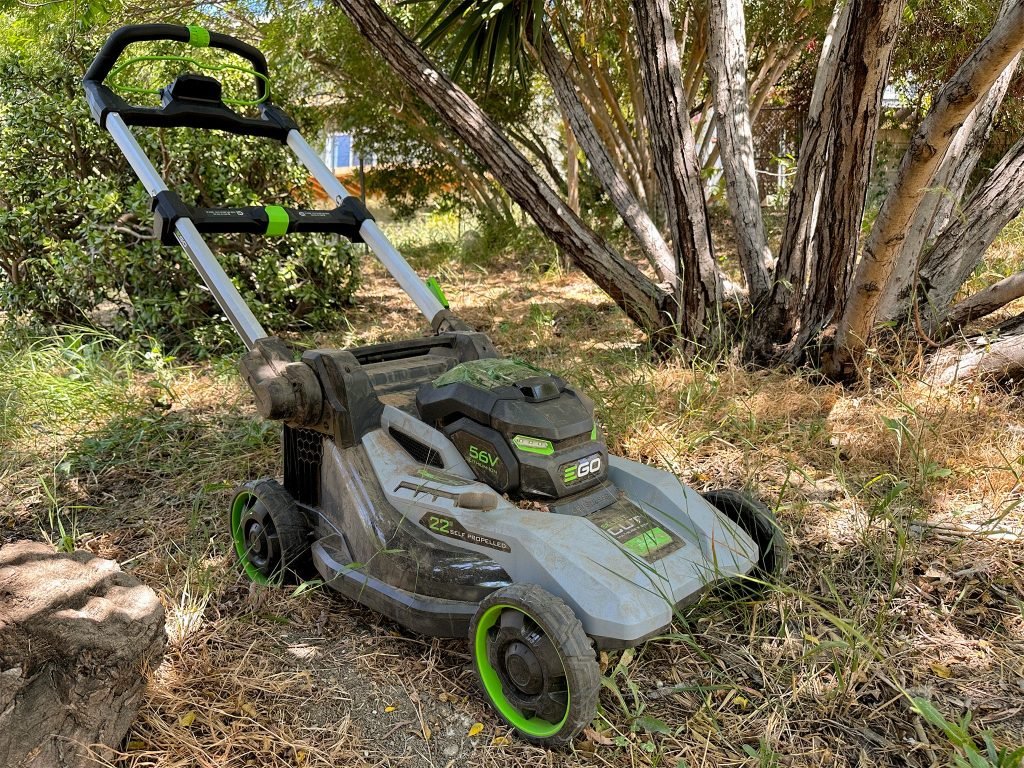
A modern battery mower gliding across a typical suburban lawn, showing off the clean cut and quiet operation that makes these machines so popular.
Credit: www.cnet.com
How Battery Mower Technology Works
Understanding what you’re buying starts with the components inside the machine. Battery lawn mowers have three core parts: the motor, the battery pack, and the deck assembly.
Brushless Motors Are The Game Changer
Older battery mowers used brushed motors, which generate more friction, heat, and energy loss. Modern mowers predominantly use brushless motors, which are far more efficient. A brushless motor delivers more torque, runs cooler, and extends battery runtime by as much as 30% compared to older designs. This is why today’s 40V mowers outperform last generation’s 80V models. For more on this, see our guide on best mower small lawn safe operation.
When you’re shopping, look specifically for the word “brushless” in the product description. It’s the single most important factor separating modern performance from older limitations.
Lithium-Ion Batteries Explained
Nearly every battery mower on the market now uses lithium-ion cells. These batteries offer several key advantages over the old nickel-cadmium (NiCd) packs:
| Feature | Lithium-Ion (Modern) | NiCd (Legacy) |
|---|---|---|
| Weight | Lightweight | Heavy |
| Charge memory | None | Suffers from memory effect |
| Self-discharge rate | Slow | Fast |
| Energy density | High | Low |
| Typical lifespan | 3–5 years | 1–2 years |
Lithium-ion batteries don’t suffer from the “memory effect” that plagued older battery types, meaning you can recharge at any point without harming long-term capacity. Most manufacturers build their batteries to deliver 500–800 full charge cycles before capacity noticeably drops. For more on this, see our guide on best lawn mower for medium yard.
Amp-hours (Ah) matter here. A 5Ah battery delivers more runtime than a 2.5Ah pack at the same voltage. If you have a larger lawn, checking amp-hours is just as important as checking voltage.
Voltage Isn’t Everything
Many buyers assume higher voltage automatically means more power. That’s only partially true. Voltage indicates the potential power available, but torque and blade speed depend on how the motor is engineered. A well-designed 40V mower can outperform a poorly-designed 60V model. Look for independent reviews and user feedback about real-world cutting performance rather than relying on voltage alone. For more on this, see our guide on best electric lawn mower for small yard.
Battery Mowers vs Gas vs Corded: Honest Comparison
To evaluate battery mowers fairly, you need to see how they stack up against gas and corded electric alternatives across the factors that actually matter.
Power and Cutting Performance
Gas mowers still hold the crown for raw, sustained power. A quality gas mower with a 140cc engine will power through tall, thick, or wet grass without slowing. Battery mowers have closed this gap significantly, and most modern models handle average conditions well. The limitation appears in extreme scenarios: very tall overgrowth, thick St. Augustine, or grass that’s been neglected for weeks. For more on this, see our guide on best way to advertise lawn care.
Corded mowers provide constant power but chain you to an outlet. Extension cords limit your range, create tripping hazards, and make mowing a large yard genuinely frustrating.
Noise Levels
This is where battery mowers shine. Gas mowers operate at roughly 90–95 decibels, which can damage hearing with prolonged exposure. Battery mowers typically run between 70–80 decibels — comparable to a normal conversation or a dishwasher. You can mow early on weekends without annoying neighbours, and you won’t need ear protection with most models.
The US Environmental Protection Agency notes that noise pollution has real health impacts, making quieter outdoor equipment a meaningful improvement for communities. For more context on how environmental regulations are shaping outdoor power equipment, the EPA’s consumer resources offer useful background.
Maintenance Requirements
Gas mowers demand constant attention: oil changes every season, spark plug replacement, air filter cleaning, fuel stabilizer, and carburetor maintenance. If you let gas sit in the tank over winter, you’re often dealing with clogged fuel lines come spring — an easy way to keep things running smoothly is understanding the correct fluid level and changing it regularly.
Battery mowers eliminate nearly all of this. No oil, no spark plugs, no carburetor, no fuel system. Your maintenance list shrinks to sharpening the blade, cleaning the deck, and keeping the battery charged.
Corded mowers sit between the two. They need minimal maintenance but constantly tangle with that cord.
Emissions and Environmental Impact
Recent regulations are pushing the industry toward zero-emission equipment. California has already banned the sale of new gas-powered lawn equipment, and other states are following suit. Battery mowers produce zero direct emissions during operation, making them the obvious choice for environmentally conscious homeowners.
One legitimate concern is battery disposal. Lithium-ion batteries require proper recycling rather than standard landfill disposal. Most major manufacturers offer take-back programs, and many municipal recycling centers accept these batteries. As battery recycling infrastructure continues to improve, this concern is diminishing.
Upfront and Long-Term Costs
| Cost Factor | Battery | Gas |
|---|---|---|
| Initial purchase | Higher | Lower |
| Annual fuel | $0 | $50–150 |
| Annual maintenance | Low | $50–150 |
| Battery replacement (every 3–5 years) | $150–300 | N/A |
| Resale value | Moderate | Moderate |
Battery mowers cost more upfront and require battery replacement every few years. However, the annual savings on fuel and maintenance often offset this within 2–3 seasons. If you factor in rising gas prices, the payback period is getting shorter.
Cutting Power and Runtime That Actually Meets Real Needs
The most common question buyers ask is whether battery mowers can handle a full lawn on one charge. The answer depends heavily on lawn size and mowing conditions.
Real-World Runtime Expectations
Most battery mowers deliver between 30–60 minutes of continuous runtime on a fully charged battery. This covers most lawns up to around 1/4 to 1/3 of an acre. For reference, mowing a standard quarter-acre lawn takes roughly 40–50 minutes at a normal pace.
Higher-end models with larger battery packs can push toward 60–75 minutes. Some premium platforms, like EGO’s 56V system, offer batteries up to 12Ah that can mow for over an hour in ideal conditions.
Your runtime depends heavily on conditions:
- Wet grass drains battery faster (up to 30% quicker)
- Thick grass requires more motor effort
- Self-propelled models drain faster when the drive system is engaged
- Cutting lower increases resistance and battery draw
Handling Thick and Tall Grass
Modern battery mowers handle normal weekly cutting without issue. The problems arise when grass has grown beyond typical cutting height. A mower with a brushless motor and higher torque ratings will manage tall grass better, but even the best battery mowers slow down in extreme conditions.
If you regularly deal with thick, fast-growing grass, look for these features:
- A 7-inch or taller cutting deck
- A blade that rotates at 3,000 RPM or higher
- A torque rating of at least 7 ft-lbs
- Multiple height positions so you can gradually lower the deck
For lawns with distinctly challenging grass, keep blade sharpness as a top priority. A sharp blade cuts cleanly and requires less power. A dull blade tears grass, uses more battery, and leaves brown tips. Routinely cleaning the underside of your mower will also help airflow and performance.
Cutting Width and Efficiency
Cutting width directly impacts how long each mowing session takes. A 21-inch deck covers more ground per pass than a 16-inch deck, which means fewer passes and less total battery consumption per mowing. If efficiency matters to you, prioritize wider decks.
A deck cleaner also contributes to efficiency. A build-up of grass clippings creates drag, slows blade speed, and drains the battery faster. Cleaning your mower deck after each use extends both runtime and blade life. Following the best way to clean mower deck practices ensures you maintain good airflow and a crisp cut.
User Experience: What It's Actually Like To Mow
Numbers and specs tell only part of the story. How the mower feels in daily use matters just as much as cutting performance.
Starting and Operating
Battery mowers start instantly with a push of a button or a squeeze of a lever. No pulling cords, no choking, no priming. This seems like a small thing until you’ve fought with a stubborn gas engine on a humid summer morning.
During operation, the mower feels balanced and responsive. The controls are straightforward, and most models offer variable speed settings on self-propelled versions. You can match walking pace to the mower’s speed rather than fighting against fixed gearing.
Handling and Maneuverability
Battery mowers tend to be lighter than comparable gas models, especially when you remove the battery. A typical 21-inch battery mower weighs 40–60 pounds without the battery, compared to 60–80 pounds for gas mowers of similar deck size.
This weight difference makes a noticeable difference when turning around flower beds, navigating narrow gates, or pushing up slopes. For those with smaller, more intricate lawns, the lighter weight makes steering and positioning easier. If you have a compact space, a mower designed for smaller yards might be the right choice.
Durability Over Time
Build quality varies significantly between budget and premium models. Budget mowers often use thinner plastics and cheaper wheels that wear faster. Premium brands like EGO, Toro, and Milwaukee use reinforced decks, sealed bearings, and higher-grade components.
Most users report 3–5 years of solid performance from a mid-range battery mower before battery degradation becomes noticeable. Proper battery care — storing at partial charge in cool conditions and avoiding extreme heat — extends battery life substantially.
Best Battery Lawn Mowers by Yard Size
To simplify your decision, here are top recommendations organized by lawn size and budget.
Small Lawns (Under 1/8 Acre)
For compact spaces, lightweight and nimble mowers are the priority. You don’t need massive batteries or wide decks — you need maneuverability.
- Greenworks 20-Inch 3-in-1: Quiet, well-built, and reasonably priced. Ideal for postage-stamp lots.
- Ryobi 20-Inch 40V Brushless: Offers long runtime and smooth self-propulsion for minimal effort.
- Black+Decker 20V Max Cordless: The budget-friendly option that still delivers clean cuts on small regular lawns.
Medium Lawns (1/8 to 1/3 Acre)
Mid-sized yards demand more power and longer runtime. Try to prioritize battery capacity and cutting quality.
- EGO Power+ 56V 21-Inch Select Cut: A top performer with excellent runtime and a deck that offers dual blade options.
- Greenworks Pro 21-Inch 80V: Fast charging and powerful cutting performance handle medium lawns with ease.
- DEWALT 60V MAX: Built to commercial-grade standards, this model delivers brute-force cutting and long battery life.
Budget-Friendly Options
If you want to test the battery mower waters without a major investment, these models deliver solid value:
- Sun Joe iON16LM 40V: Compact, lightweight, and affordable — perfect for first-time buyers.
- Snapper XD 82V: Solid build quality and performance that punches well above its price point.
- Craftsman M215 40V: Simple, reliable, and easy to operate without sacrificing cut quality.
Maximizing Battery Mower Performance
Getting the most from your battery mower requires some intentional habits. These practices extend battery life, improve cut quality, and keep the machine running smoothly for years.
Battery Care Fundamentals
- Store batteries at 30–50% charge if you won’t use them for several weeks
- Keep batteries at room temperature (between 50–80°F) — avoid freezing garages and hot sheds
- Use only the manufacturer’s charger to prevent overcharging or damaging the cells
- Clean battery contacts monthly with a dry cloth to ensure strong electrical flow
- Avoid complete discharge whenever possible — lithium-ion packs prefer partial cycling
Smart Mowing Habits
Mowing more frequently keeps grass shorter and reduces strain on the motor. The taller and denser the grass, the harder the mower works. For seasonal guidance, matching your mowing approach to the right timing will keep your lawn healthy and reduce battery drain.
Cutting height also impacts battery usage. Setting the deck slightly higher reduces the load on the motor and helps the grass retain moisture, which is better for root health and reduces how often you need to mow during peak growing season. Before the hotter months, understanding the optimal cutting height for summer helps adjust the mower for both battery efficiency and turf health.
Long-Term Storage Tips
Before storing your mower for winter, give the battery a full charge and then run the mower for a few minutes to bring it down to around 60–70% charge. Remove the battery and store it indoors in a cool, dry location. Never leave the battery on the mower over extended storage periods.
For the mower itself, clean any debris from the deck and store it in a dry, sheltered area. A quality mower cover adds protection against dust and moisture. If you’re unsure which size cover fits your particular model, checking the dimensions before buying saves you hassle later.
Frequently Asked Questions
How long do battery lawn mowers last per charge?
Most models provide 30–60 minutes of continuous runtime. Premium systems with larger batteries can extend beyond an hour under ideal conditions. Runtime drops significantly in thick, wet, or tall grass.
Are battery lawn mowers powerful enough for thick grass?
Yes, modern brushless models handle thick grass well. Higher-torque motors and high-capacity batteries have largely closed the gap with gas mowers. For extreme conditions, look for models advertising higher torque ratings.
How long does it take to recharge a battery mower?
Charging time ranges from 30 minutes to 3 hours depending on battery capacity and charger speed. Many brands sell rapid chargers separately that cut charging times roughly in half.
Are battery mowers better than gas mowers?
For small to medium lawns, battery mowers are generally the better choice: quieter, lighter, lower maintenance, and zero emissions. For very large properties or heavy commercial-type work, gas mowers still offer advantages in endurance and raw power.
Do battery mowers require much maintenance?
Much less than gas mowers. No oil changes, spark plugs, fuel systems, or carburetors. Primary maintenance is blade sharpening, deck cleaning, and proper battery care.
Will a battery mower work on wet grass?
It will, but not well. Wet grass clumps, sticks to the deck, and demands more power for cutting. Mow dry grass whenever possible for the best results and longest battery life.
Final Verdict: Who Should Buy a Battery Lawn Mower?
Battery lawn mowers have genuinely matured. For the average homeowner, they deliver on their core promise: quiet, low-maintenance, zero-emission mowing that performs reliably week after week.
If your lawn is under half an acre and you want to stop fighting with gas engines, a battery mower is the right investment. The upfront cost is higher, but the convenience payoff is immediate. You’ll never buy fuel, change oil, or wrestle with a stubborn pull cord again. The technology is no longer a compromise — it’s an improvement for most people’s mowing experience. If you prefer to tackle larger areas without swapping batteries, a commercial-grade mower may still be the better fit for wide-open spaces. And for the long term, investing in a solid platform means you can share batteries with other power tools, making the switch even more practical.





