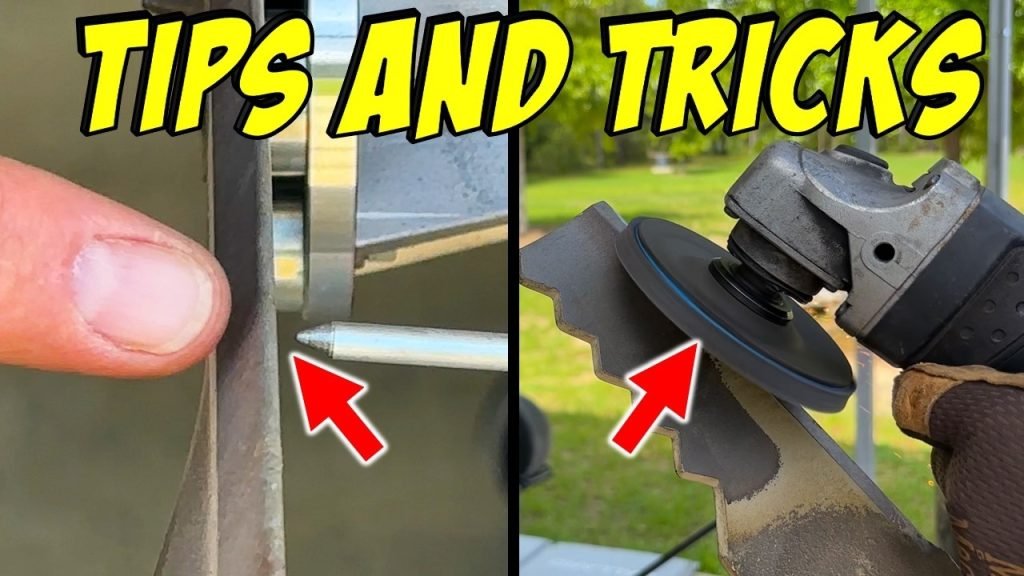
Are your mower blades starting to dull and making your lawn look uneven? Sharpening them yourself can save you time and money, and using an angle grinder is one of the fastest ways to get the job done right.
But if you’ve never done it before, the process might seem tricky or even risky. Don’t worry—this guide will show you exactly how to use an angle grinder to sharpen your mower blades safely and effectively. By the end, you’ll have sharper blades that cut cleaner, helping your lawn look its best.
Keep reading to learn the simple steps that will make your mower feel like new again!
Choosing The Right Angle Grinder
Choosing the right angle grinder is key for sharpening mower blades safely and effectively. The right tool saves time and improves results. Knowing the types of angle grinders and the correct grinding wheel helps achieve sharp, balanced blades. This section guides you through the best choices for your sharpening task.
Types Of Angle Grinders
Angle grinders come in various sizes and power levels. Small grinders, usually 4 to 5 inches, offer better control for mower blades. Larger grinders can be harder to handle and may remove too much metal.
- Electric Angle Grinders:Common and easy to use. Plug into power outlets for constant power.
- Battery-Powered Grinders:Cordless and portable. Good for quick jobs but may run out of battery.
- Air-Powered Grinders:Use compressed air. Often found in professional shops.
For mower blade sharpening, a 4 to 5-inch electric or battery grinder works best. It offers enough power without being too heavy or hard to control.
Selecting The Correct Grinding Wheel
Choosing the right grinding wheel is as important as picking the right grinder. The wheel type affects how clean and sharp the blade edge becomes.
- Grinding Wheel Material:Use aluminum oxide wheels for metal blades. They are durable and cut well.
- Wheel Grit:Medium grit (around 36-60) balances fast material removal and smooth finish.
- Wheel Size:Match the wheel size to your grinder. Usually 4 to 5 inches for mower blades.
- Wheel Thickness:Thinner wheels offer more precision but wear out faster.
Do not use a cutting disc or wire brush for sharpening. These can damage the blade or grinder. Stick to grinding wheels designed for metal sharpening.
Preparing The Mower Blade
Preparing your mower blade before sharpening is crucial for both safety and effectiveness. Taking time to properly remove and clean the blade helps you avoid accidents and ensures a smooth sharpening process. Let’s look at how to get your blade ready for the angle grinder.
Removing The Blade Safely
First, disconnect the spark plug wire or remove the battery to prevent accidental starts. This simple step protects you from unexpected blade movement.
Use a sturdy wrench or socket to loosen the blade bolt. Holding the blade steady with a block of wood prevents it from spinning as you turn the bolt.
Remember to note the blade’s orientation before removal. This makes reinstallation easier and keeps your mower cutting evenly.
Cleaning The Blade Surface
Once the blade is off, clean all the grass, dirt, and rust from its surface. A wire brush or steel wool works well to remove stubborn debris.
Check the blade for any cracks or deep nicks while cleaning. If you spot significant damage, sharpening might not be enough to restore it.
Dry the blade thoroughly before sharpening to avoid slippage on the grinder. A clean, dry blade also helps you see the cutting edges clearly.
Setting Up The Workspace
Setting up the workspace is key for sharpening mower blades safely and well. A clean, organized area helps you work fast and avoid accidents. Prepare a flat surface to hold the blade steady during sharpening. Keep tools and safety gear within easy reach to stay focused on the task.
Ensuring Proper Lighting
Good lighting lets you see the blade edges clearly. Bright, natural light works best. If natural light is low, use a strong lamp or flashlight. Avoid shadows on the blade as they hide small nicks or dull spots. Position lights at different angles for clear views.
Safety Gear Essentials
Protect yourself by wearing the right safety gear. Use safety glasses to shield your eyes from sparks and metal shards. Wear gloves to protect your hands from sharp edges and heat. Use ear protection to reduce noise from the angle grinder. A dust mask keeps metal dust out of your lungs. Dress in close-fitting clothes to avoid loose fabric near the grinder.
%20(1).png)
Credit: www.misterworker.com
Sharpening The Blade With An Angle Grinder
Sharpening the mower blade with an angle grinder is an efficient way to restore its cutting power. This tool removes metal quickly and shapes the edge sharply. Proper handling ensures safety and a clean, sharp blade. Follow these key points for the best results.
Correct Grinding Angle
Maintain a consistent grinding angle between 30 and 45 degrees. This angle keeps the blade sharp and effective. Too steep or too flat can damage the edge. Hold the grinder steady to keep the angle uniform across the blade.
Proper Grinding Technique
- Wear safety goggles and gloves before starting.
- Secure the blade firmly to avoid movement.
- Move the grinder smoothly along the blade’s edge.
- Use light pressure; let the grinder do the work.
- Sharpen both cutting edges evenly for balance.
Avoiding Overheating
Overheating can weaken the blade and reduce its life. Grind in short bursts to prevent heat build-up. Dip the blade in water often to cool it down. Watch for discoloration or smoke; these are signs of overheating. Keep the blade cool for a sharp and durable edge.
Finishing Touches
Sharpen mower blades smoothly using an angle grinder for clean, precise edges. Focus on even grinding to avoid blade damage and ensure efficient cutting. Finish by checking blade balance and removing sharp burrs for safer use.
Finishing Touches You’ve sharpened your mower blade with an angle grinder. Now, it’s time for the finishing touches. This last step ensures your mower works smoothly. It involves balancing, reattaching, and testing the blade. These steps are crucial. They prevent uneven cuts and extend the mower’s life.Balancing The Blade
Balance is key for a smooth cut. An unbalanced blade causes vibrations. It can damage the mower. Use a blade balancer. This tool is simple and effective. Place the blade on it. Check if one side dips. If so, grind a bit more off the heavier side. Repeat until balanced.Reattaching The Blade
Once balanced, reattach the blade. Ensure the mower is off and unplugged. Align the blade with the mounting hole. Use a wrench to secure it tightly. A loose blade is dangerous. Double-check the tightness. Safety first.Testing The Mower
Testing is the final step. Start the mower in an open area. Listen for unusual noises. Check for smooth operation. Inspect the lawn for even cuts. Adjust if needed. This ensures your hard work pays off.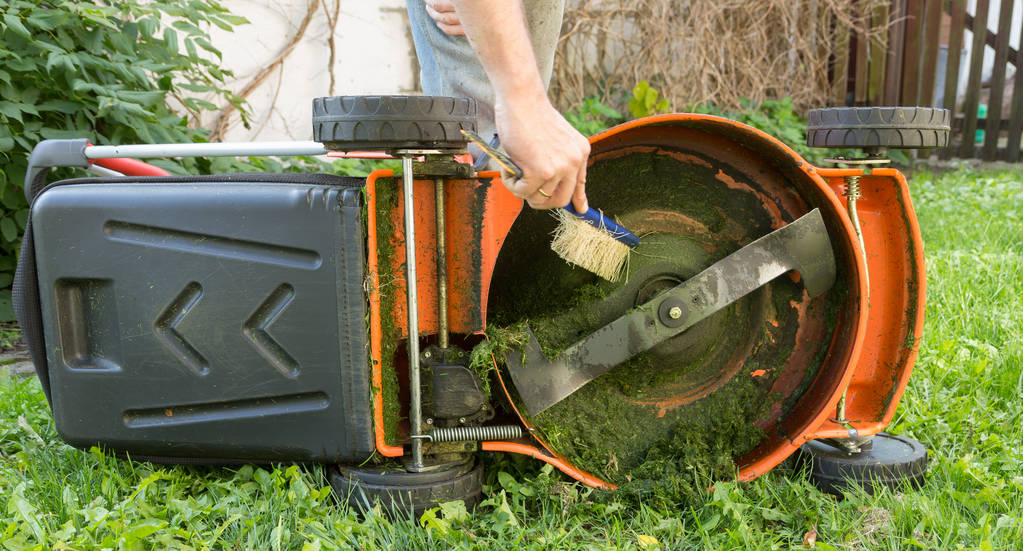
Credit: binictools.com
Common Mistakes To Avoid
Sharpening your mower blades with an angle grinder can save you money and improve your lawn’s health. However, many people make avoidable mistakes that can damage the blade or even cause injury. Recognizing these common pitfalls helps you work smarter and safer.
Grinding Too Much Material
One of the biggest mistakes is removing too much metal from the blade. This weakens the blade, reducing its lifespan and potentially causing imbalance during mowing.
Focus on maintaining the blade’s original shape and angle. Sharpen just enough to restore a clean, sharp edge without grinding deep into the metal.
Ask yourself: Are you grinding evenly on both sides? Uneven grinding can cause vibration and damage your mower’s motor.
Ignoring Safety Precautions
Skipping safety steps can lead to serious accidents. Always wear protective goggles, gloves, and sturdy clothing when using an angle grinder.
Keep your workspace clear of flammable materials and ensure the grinder’s guard is in place. A sudden kickback can be dangerous if you’re unprepared.
Do you have a secure grip on the grinder? Losing control even for a second can cause injury or damage to the blade.

Credit: www.youtube.com
Frequently Asked Questions
How Do I Safely Use An Angle Grinder For Mower Blades?
Always wear safety goggles, gloves, and ear protection. Secure the blade firmly and grind away from your body. Work in a well-ventilated area to avoid dust inhalation. Keep the grinder steady and avoid applying excessive pressure to prevent blade damage.
What Grit Wheel Is Best For Mower Blade Sharpening?
Use a medium-grit grinding wheel, around 36-60 grit, for mower blades. It sharpens effectively without removing too much metal. Avoid finer grits, as they may not shape the blade properly. Coarser wheels can damage the blade’s edge.
How Often Should I Sharpen Mower Blades With An Angle Grinder?
Sharpen mower blades every 20-25 hours of use or when you notice dull cutting. Frequent sharpening maintains lawn health and mower efficiency. Avoid sharpening too often to prevent blade thinning and weakening.
Can An Angle Grinder Damage Mower Blades?
Yes, improper use can overheat or unevenly grind blades. This weakens the metal and reduces blade life. Use consistent, gentle pressure and avoid overheating by taking breaks during grinding.
Conclusion
Sharpening mower blades with an angle grinder is simple and effective. Follow safety steps carefully to avoid accidents. Keep the blade steady and grind evenly for best results. A sharp blade cuts grass cleanly and helps your mower work well.
Regular sharpening saves money and extends blade life. Try this easy method to keep your lawn neat and healthy. Practice a few times to gain confidence. You’ll see the difference in your mower’s performance and your lawn’s appearance.