Imagine your car running smoothly, its engine purring like a contented cat. One of the secrets to achieving that is ensuring your spark plugs are properly gapped.
But how do you make sure this tiny yet crucial component is set just right? This is where a spark plug gap tool comes into play. If you’ve ever wondered how to use one of these tools effectively, you’re in the right place.
By the end of this article, you’ll have the knowledge to keep your engine running at its best, improving performance and extending its lifespan. Stay with us to discover the simple steps to mastering the spark plug gap tool and transform your driving experience.
Credit: theboostedboiz.com
Spark Plug Gap Basics
Spark plug gap is the small space between the center and ground electrodes. This gap affects how well your engine runs. Too wide or too narrow, and the spark may not ignite the fuel properly. Knowing the right gap size for your engine is essential for good performance and fuel efficiency.
Using a spark plug gap tool helps measure and adjust this gap precisely. It ensures the spark plug fires correctly every time. Understanding spark plug gap basics sets the foundation for using the tool effectively.
Why Gap Size Matters
The gap size controls the spark’s strength and timing. A correct gap produces a strong spark that ignites the fuel-air mix fully. If the gap is too small, the spark can be weak and cause misfires. If it is too large, the spark might not jump across the gap at all.
Proper gap size improves engine power, fuel economy, and lowers emissions. It also prevents engine roughness and starting problems. Each vehicle has a recommended gap size in its manual. Matching this size keeps your engine running smoothly.
Types Of Spark Plug Gap Tools
Several types of gap tools help measure and set the spark plug gap:
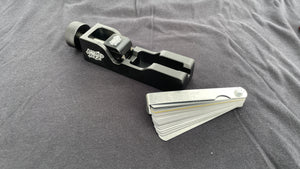
- Feeler Gauge:Thin metal strips of different thicknesses slide between electrodes to check the gap.
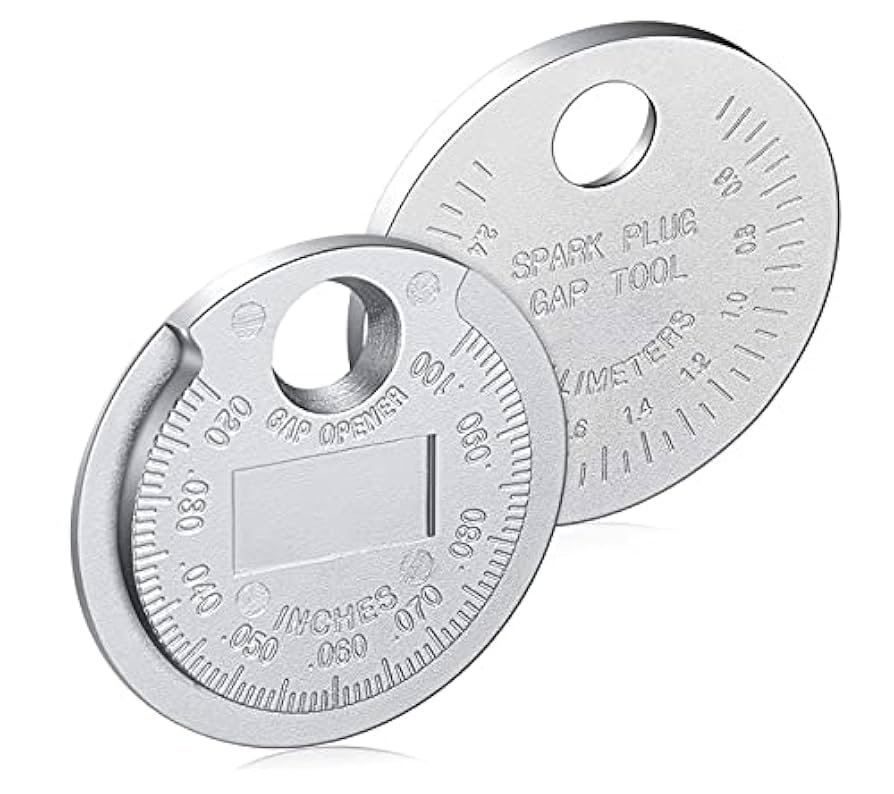
- Gap Gauge Wheel:A round tool with a tapered edge that you spin between electrodes to measure the gap.
- Coin-Style Gauge:Flat discs with notches for different gap sizes fit between the electrodes.
- Wire-Type Gauge:A wire loop with marked thicknesses used to measure the gap.
Choose a tool that matches your comfort level and the precision needed. All these tools help maintain the correct gap for better engine performance.

Credit: www.walmart.com
Preparing For Gap Adjustment
Preparing to adjust the gap on a spark plug is important for good engine performance. You must gather the right tools and know the exact gap size needed. This helps avoid damage and keeps the engine running smoothly.
Gathering Necessary Tools
Start by collecting all the tools required for the gap adjustment. This includes a spark plug gap tool, which can be a wire feeler gauge, a gap gauge, or a coin-style tool.
Keep these items ready:
- Spark plug gap tool
- Clean cloth or rag
- Protective gloves
- Replacement spark plugs (if needed)
Having these tools handy makes the process faster and safer.
Checking Manufacturer Specifications
Every engine has a specific spark plug gap size. Check your vehicle’s manual or the spark plug box for the correct measurement. The gap is usually given in thousandths of an inch or millimeters.
Using the right gap size is key to proper ignition and fuel efficiency. Too small or too large a gap can cause misfires or poor engine performance.
Write down the recommended gap size before starting the adjustment.
Measuring The Spark Plug Gap
Measuring the spark plug gap is a crucial step to ensure your engine runs smoothly and efficiently. The gap affects how the spark ignites the fuel-air mixture, directly impacting performance. Getting the gap right can save you from misfires and poor fuel economy.
Using A Feeler Gauge
A feeler gauge is a set of thin metal blades with different thicknesses. To measure the gap, select a blade that matches the manufacturer’s recommended gap size for your spark plug.
Slide the blade gently between the center and ground electrode. If it fits snugly without forcing, your gap is correct. If it’s too tight or loose, you’ll need to adjust the gap accordingly.
Using A Wire Gauge
A wire gauge uses a precise wire loop to check the gap size. Choose the wire that matches the specified gap and try to slide it into the space between the electrodes.
This tool is especially handy because the wire is flexible and can give a more accurate feel of the gap compared to rigid blades. Make sure the wire slides in with slight resistance — that’s the sweet spot you want.
Interpreting Measurements
After measuring, compare your results with the spark plug gap recommended by your vehicle’s manual. A gap that’s too small can cause weak sparks, while a gap that’s too large might lead to misfires.
Ask yourself: How precise do I need to be? Even a difference of 0.002 inches can affect engine performance. Adjusting the gap carefully can improve your car’s fuel efficiency and power.

Credit: www.youtube.com
Adjusting The Gap
Adjusting the spark plug gap is crucial for engine performance. The gap affects how the spark ignites the fuel-air mix. A gap too wide or too narrow can cause misfires or poor fuel efficiency. Using a spark plug gap tool ensures the gap is precise. Proper adjustment helps maintain smooth engine running and better fuel economy.
Bending The Electrode Correctly
Hold the spark plug firmly but gently. Use the gap tool to measure the space between electrodes. If the gap is too small, carefully bend the ground electrode. Bend only the electrode, not the center one. Make small adjustments to avoid breaking or damaging it. Check the gap often during bending to reach the right size.
Avoiding Common Mistakes
- Do not force the electrode with too much pressure.
- Avoid bending the center electrode; it is delicate.
- Do not over-gap; too wide a gap causes weak sparks.
- Keep the electrode clean to get an accurate measurement.
- Use the correct gap size specified by your vehicle’s manual.
Final Inspection
The final inspection is crucial after adjusting your spark plug gap. It confirms the gap is accurate for optimal engine performance. Careful checking prevents issues like misfires or poor fuel efficiency.
Rechecking The Gap
Use the spark plug gap tool to measure the gap again. Slide the tool gently between the electrodes. The gap should match the manufacturer’s recommended size exactly. If it feels too tight or loose, adjust the gap carefully. Small changes can make a big difference.
Ensuring Consistency Across Plugs
Check every spark plug in the set to ensure uniform gaps. Consistent gaps help the engine run smoothly and efficiently. Lay all plugs side by side and measure each one with the tool. Adjust any plugs that differ from the desired gap size. Even spacing improves ignition and engine balance.
Tips For Maintaining Spark Plug Performance
Maintaining your spark plugs is key to keeping your engine running smoothly. Small adjustments can make a big difference in performance and fuel efficiency. Using a spark plug gap tool correctly helps you control one of the most important aspects of spark plug maintenance: the gap size.
When To Replace Spark Plugs
Knowing when to replace your spark plugs saves you from unexpected engine problems. Most manufacturers suggest changing spark plugs every 30,000 to 50,000 miles, but this depends on your vehicle and driving habits. If you notice rough idling, difficulty starting, or decreased fuel economy, it might be time to check the plugs.
Don’t wait for these symptoms to appear. Inspect your spark plugs regularly to catch wear before it affects performance. Visual signs like worn electrodes or heavy deposits indicate replacement is needed.
Regular Gap Checks
Even a new spark plug can underperform if the gap isn’t right. Use your spark plug gap tool to measure the gap before installation and adjust it as needed. The correct gap ensures a strong spark and efficient combustion.
Check the gap every time you perform maintenance or replace plugs. Small changes in gap size can affect ignition timing and engine power. If you’ve ever felt your car hesitate under acceleration, a misaligned gap might be the culprit.
- Use a feeler gauge or a wire-type gap tool for accuracy.
- Gently bend the ground electrode to adjust the gap; avoid excessive force.
- Refer to your owner’s manual for the exact gap specifications.
Have you ever experienced better engine performance after adjusting your spark plug gaps? Paying attention to this detail can keep your vehicle running efficiently longer than you might expect.
Frequently Asked Questions
What Is A Spark Plug Gap Tool Used For?
A spark plug gap tool measures and adjusts the gap between spark plug electrodes. Proper gap ensures optimal engine performance and fuel efficiency.
How Do I Measure Spark Plug Gap Correctly?
Insert the gap tool between the electrodes gently. Slide it until a slight drag is felt, indicating the correct gap size.
Why Is Spark Plug Gap Adjustment Important?
Correct gap ensures efficient ignition and combustion. Incorrect gaps cause misfires, poor fuel economy, and increased emissions.
How Often Should I Check Spark Plug Gap?
Check the gap every time you replace spark plugs or during regular vehicle maintenance, typically every 30,000 miles.
Conclusion
Using a spark plug gap tool ensures your engine runs smoothly. Check the gap carefully to match your car’s needs. Adjust the gap by bending the electrode gently. Keep the tool clean and use it regularly. Proper gaps help improve fuel efficiency and engine power.
Small steps make a big difference in engine health. Practice with the tool to gain confidence. Your car will thank you with better performance and less trouble. Simple tools, simple care, better driving.





