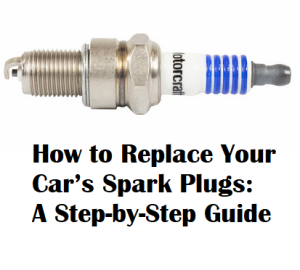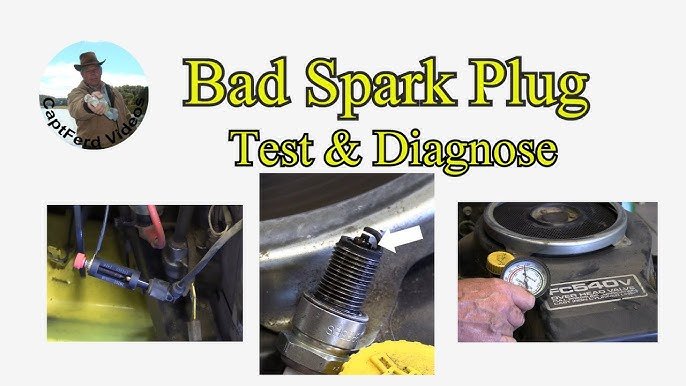
Is your lawn mower acting up and leaving you frustrated? One of the most common culprits behind a mower that won’t start or runs poorly is a faulty spark plug.
But don’t worry—you don’t have to be a mechanic to fix it. In this guide, you’ll discover simple, step-by-step ways to troubleshoot your mower’s spark plug issues quickly and easily. Keep reading, and you’ll be back to enjoying a perfectly trimmed lawn in no time.
Common Spark Plug Problems
Common spark plug problems can stop your mower from working well. The spark plug helps start the engine by creating a spark. If it fails, the mower may run poorly or not start at all. Knowing the signs and causes helps fix issues fast.
Signs Of A Faulty Spark Plug
- The mower is hard to start or won’t start.
- The engine runs rough or stalls often.
- Fuel smells strong, showing incomplete burning.
- The mower loses power or runs unevenly.
- Black smoke comes out of the exhaust.
- Unusual noises happen during operation.
Causes Of Spark Plug Failure
- Carbon buildup on the electrode blocks the spark.
- Electrode wear from long use reduces spark quality.
- Oil or fuel fouling covers the spark plug surface.
- Incorrect spark plug gap affects ignition.
- Exposure to moisture causes corrosion or rust.
- Overheating damages the spark plug materials.
Tools Needed For Troubleshooting
Troubleshooting mower spark plug problems requires specific tools. These tools help check, clean, or replace spark plugs easily. Having the right equipment saves time and effort. It also ensures the mower runs smoothly and starts without issues.
Knowing which tools to gather before starting makes the process safer and more efficient. Below are the key items needed for spark plug troubleshooting and important safety tips.
Essential Equipment
- Spark plug socket wrench – fits the spark plug for removal
- Ratchet or socket driver – to turn the socket wrench
- Feeler gauge – measures the spark plug gap accurately
- Wire brush or spark plug cleaner – removes dirt and deposits
- Replacement spark plug – in case the old one is faulty
- Multimeter – checks the spark plug’s electrical resistance
- Gloves – protect hands from dirt and sharp edges
- Safety goggles – protect eyes from debris and sparks
Safety Precautions
Always disconnect the mower’s spark plug wire before working. This prevents accidental starting during inspection or repair.
Wear safety goggles to protect your eyes from flying debris. Use gloves to avoid cuts and keep your hands clean.
Work in a well-ventilated area to avoid inhaling fumes. Keep flammable materials away from the mower.
Handle tools carefully to prevent slips and injuries. Follow the mower’s manual instructions for safe spark plug handling.
Inspecting The Spark Plug
Inspecting the spark plug is an essential step in troubleshooting mower issues. The spark plug ignites the fuel-air mix inside the engine. A faulty spark plug can cause the mower to stall or not start. Checking its condition helps identify problems early and saves repair costs. Always make sure the engine is off and cool before inspection.
Removing The Spark Plug
Locate the spark plug on the mower engine. It usually has a thick wire attached. Gently pull the wire off the plug. Use a spark plug socket or wrench to turn it counterclockwise. Remove the spark plug carefully without damaging the threads.
Checking For Wear And Damage
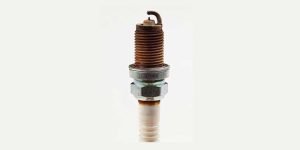
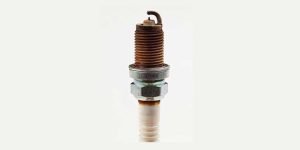
Look at the spark plug’s tip and electrode. Check for any cracks or chips in the ceramic insulator. Inspect the metal parts for corrosion or heavy deposits. A black, oily, or sooty plug indicates engine problems. The gap between the electrodes should be clean and correct. Measure the gap with a feeler gauge and compare it to the mower’s manual. Replace the spark plug if it shows wear or damage.

Credit: www.reddit.com
Cleaning The Spark Plug
Spark plug cleaning removes dirt and carbon buildup that can stop your mower from starting. Gently scrape the electrodes and wipe with a clean cloth to improve performance. Regular cleaning helps keep the engine running smoothly and prevents common spark plug problems.
Cleaning the spark plug is a crucial step in maintaining your mower’s performance. A dirty spark plug can lead to misfires, reduced efficiency, and even prevent your mower from starting. By keeping it clean, you ensure a strong spark and optimal engine function.Using A Wire Brush
Start by removing the spark plug from your mower. A wire brush is excellent for scraping off any carbon deposits and dirt. Move the brush in quick, firm strokes to dislodge stubborn grime. Be gentle to avoid damaging the plug. If you’re worried about applying too much force, consider using a brush with softer bristles. Remember, a clean spark plug means fewer hiccups in your mowing routine.Soaking And Drying Techniques
If the wire brush doesn’t do the trick, soaking the spark plug might be necessary. Submerge the plug in a small bowl of gasoline or carburetor cleaner for about 15 minutes. This will break down the remaining residue. After soaking, dry the plug thoroughly with a clean cloth. Ensure it’s completely dry before reinserting it into your mower. Moisture can compromise the spark, leading to ineffective ignition. Have you ever felt the satisfaction of hearing your mower start without a hitch? A clean spark plug might just be your secret weapon. Consider it a small investment of time for a big payoff in performance.Testing The Spark Plug
Testing the spark plug is a key step in fixing mower problems. It shows if the spark plug works well or needs replacement. A good spark plug delivers a strong spark to ignite the fuel. A weak or no spark stops the engine from starting.
Several ways exist to test the spark plug safely and easily. These tests help spot faults like fouling, cracks, or worn electrodes. Testing can save time and money by avoiding unnecessary part changes.
Spark Test Methods
One simple way to check the spark plug is the spark test. Follow these steps:
- Remove the spark plug from the mower engine.
- Attach the spark plug wire to the plug firmly.
- Hold the spark plug against the metal part of the engine.
- Have someone pull the starter cord slowly.
- Look for a bright blue spark at the plug tip.
A strong blue spark means the plug works well. A weak or no spark means the plug may be bad or there is an electrical problem.
Using A Multimeter
A multimeter measures electrical resistance in the spark plug. It helps check the internal condition of the plug. Use these steps:
- Set the multimeter to the ohms (Ω) setting.
- Touch one probe to the spark plug’s metal tip.
- Touch the other probe to the threaded metal shell.
- Check the reading on the multimeter.
A good spark plug usually shows low resistance, about 4,000 to 8,000 ohms. Very high or infinite resistance means the spark plug is faulty. This test works best for spark plugs with a resistor built in.
Credit: www.vanguardpower.com
Adjusting And Replacing The Spark Plug
Adjusting and replacing the spark plug is a key task that can bring your mower back to life. A spark plug that’s out of adjustment or worn out can cause poor engine performance, hard starts, and increased fuel use. Knowing how to check the gap and select the right plug saves you time and frustration during lawn care.
Setting The Correct Gap
The spark plug gap affects how well your mower starts and runs. Too wide or too narrow a gap can cause misfires or weak sparks. Check your mower’s manual for the exact gap size, often measured in thousandths of an inch.
Use a spark plug gap tool or feeler gauge to measure the space between the center and side electrodes. If the gap is off, gently bend the side electrode to adjust it. Be careful not to damage the electrodes while doing this.
Have you ever tried starting your mower only to find it sputtering? A simple gap adjustment might be the fix you need. It’s a small step that can make a big difference in engine performance.
Choosing The Right Replacement
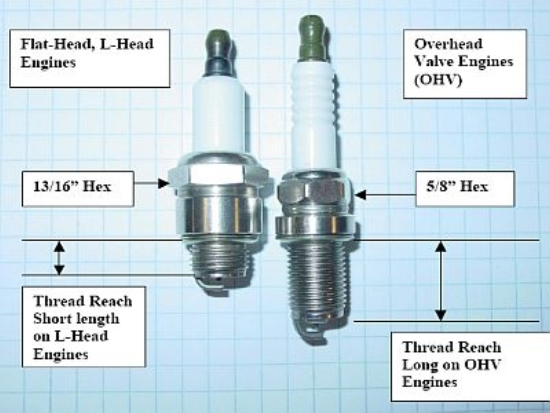
Picking the correct spark plug goes beyond just matching the size. You need one that fits your mower’s engine type and operating conditions. Check the owner’s manual or the manufacturer’s website for recommended spark plug models.
Look for details like heat range, thread size, and electrode type. A plug that’s too hot or too cold can cause engine issues, so don’t guess. If you’re unsure, bring your old spark plug to a local hardware store for expert advice.
Remember, investing in a quality spark plug can extend your mower’s life and improve fuel efficiency. It’s a small part that plays a big role in keeping your lawn mower running smoothly season after season.
Preventive Maintenance Tips
Maintaining your mower’s spark plug is easier when you focus on simple, regular care. Preventive maintenance helps you avoid common spark plug problems that can interrupt your yard work. With just a little attention, you can keep your mower running smoothly and save time on unexpected fixes.
Regular Inspection Schedule
Set a routine to check your spark plug at least once every season or after every 25 hours of use. Look for signs of wear, such as carbon buildup, cracks, or corrosion on the plug’s surface. If you spot any damage, replace the spark plug immediately to prevent engine issues.
Keeping a maintenance log can help you track inspections and replacements. Have you noticed how skipping these quick checks can lead to more serious problems later? Regular inspections let you catch small issues before they turn into costly repairs.
Proper Storage Practices
When you store your mower for long periods, especially over winter, remove the spark plug and inspect it carefully. Clean off any dirt or deposits to avoid corrosion during storage. Consider applying a light coat of oil on the threads to protect against rust.
Store the spark plug in a dry, cool place separate from the mower. Moisture and extreme temperatures can damage the spark plug, even if it’s not in use. Have you ever found a rusty spark plug after storage? Taking these small steps can prevent that frustrating surprise.
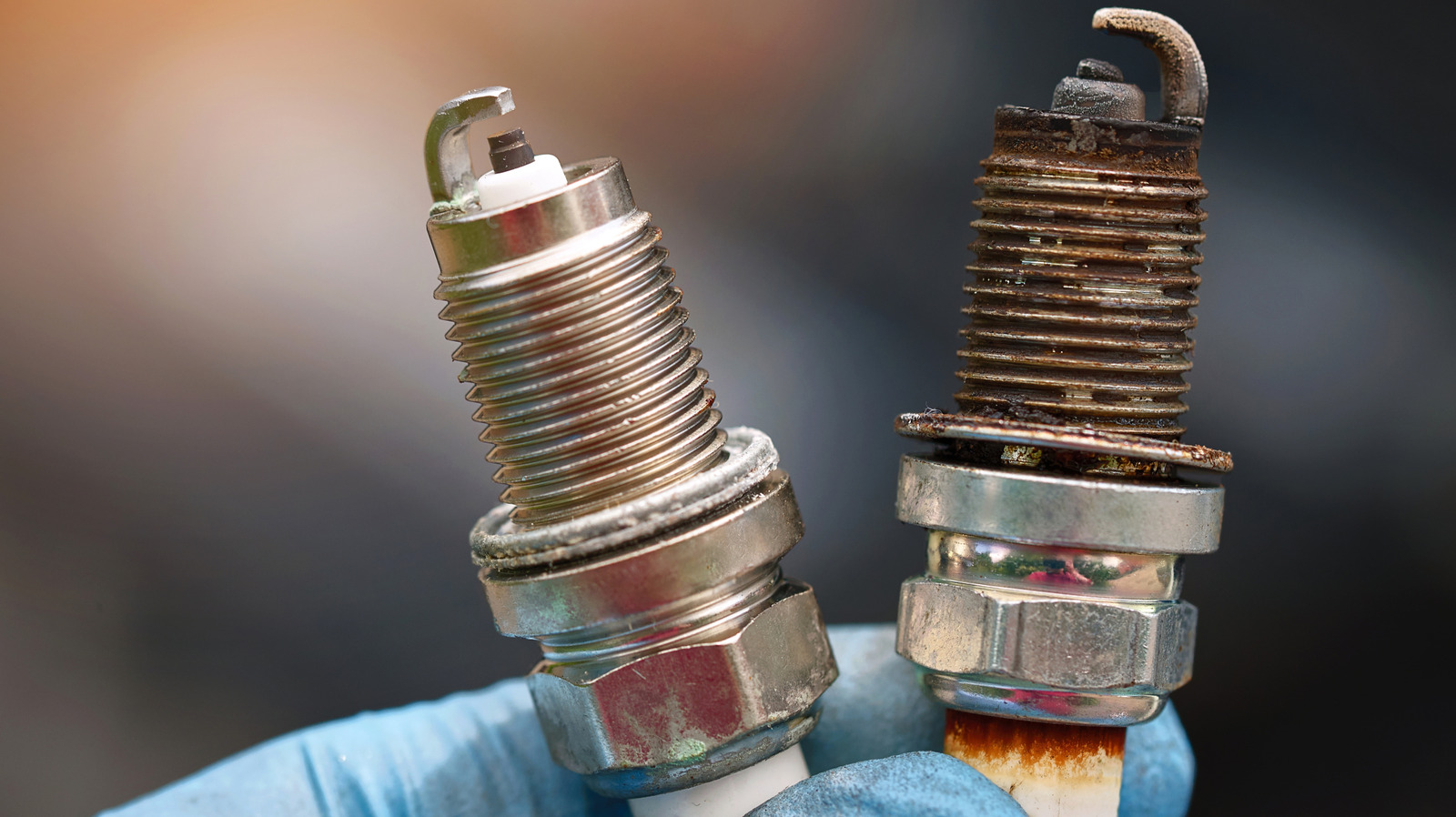
Credit: www.slashgear.com
Frequently Asked Questions
How Do I Know If My Mower Spark Plug Is Faulty?
A faulty spark plug causes hard starting, rough running, or no start. Check for carbon buildup, cracks, or worn electrodes. Inspect spark plug color; black or white indicates issues. Testing spark with a spark tester confirms if it’s working properly.
How To Clean A Mower Spark Plug Effectively?
Remove the spark plug and use a wire brush to clean electrodes and threads. Avoid sandpaper, as it can damage the plug. Remove carbon deposits gently. Re-gap the plug according to manufacturer specs before reinstalling. Proper cleaning improves mower performance and fuel efficiency.
What Causes Mower Spark Plugs To Fail Prematurely?
Spark plugs fail due to carbon buildup, overheating, or incorrect gap settings. Using low-quality fuel or oil can cause fouling. Running the mower too rich or lean also damages plugs. Regular maintenance and timely replacement prevent premature failure and engine problems.
How Often Should I Replace Mower Spark Plugs?
Replace spark plugs every 25-50 hours of use or annually. Check the owner’s manual for exact intervals. Frequent use or harsh conditions may require earlier replacement. Regular inspection ensures optimal mower performance and prevents starting issues.
Conclusion
Troubleshooting mower spark plug issues keeps your mower running well. Check the plug often for dirt, damage, or wear. Clean or replace the spark plug to fix starting problems. Use the right tools and follow safety steps every time. A good spark plug saves time and avoids frustration.
Keep your mower ready for the next cut with simple care. Small fixes make a big difference in mower performance. Stay patient and check each part carefully for best results.