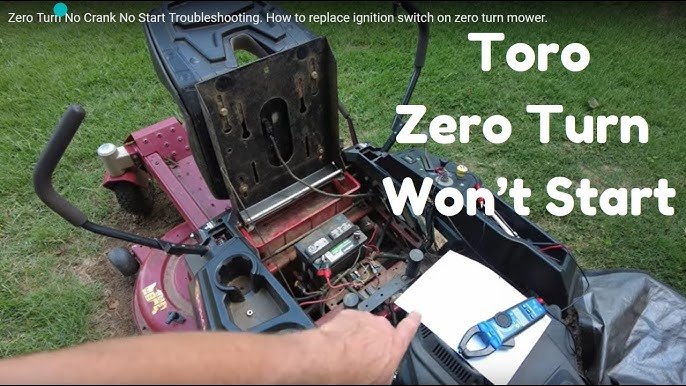
Is your mower refusing to start and making no sound when you try to crank it? That frustrating silence can bring your yard work to a halt and leave you wondering what’s wrong.
But don’t worry—you’re not alone, and this problem is often easier to fix than you think. In this guide, you’ll discover simple, step-by-step ways to troubleshoot your mower’s no-crank issue. By the end, you’ll know exactly what to check and how to get your mower back to life quickly.
Ready to solve the problem and get mowing again? Let’s dive in.

Credit: www.youtube.com
Common Reasons For No Crank
When your mower refuses to crank, it can be frustrating and confusing. Understanding the common reasons behind a no-crank issue can save you time and unnecessary repairs. Let’s look at some typical causes that might be stopping your mower from starting.
Dead Battery Issues
A dead or weak battery is often the main culprit. If your mower doesn’t make any sound or only clicks when you try to start it, the battery might be drained. Checking the battery voltage with a multimeter or simply jump-starting the mower can quickly confirm this.
Have you ever left your mower unused over winter? Batteries tend to lose charge when idle for long periods. Keeping your battery charged or replacing an old one can prevent no-crank problems.
Faulty Ignition Switch
The ignition switch controls the power flow to the starter motor. A worn-out or damaged switch can interrupt this flow, causing the mower not to crank. If you turn the key and nothing happens, the switch might be the issue.
Try wiggling the key or testing the switch with a multimeter. Sometimes, dirt or corrosion inside the switch can also cause poor contact, so cleaning it might bring your mower back to life.
Bad Starter Motor
Your mower’s starter motor is responsible for turning the engine over. If it’s faulty or worn out, you’ll hear a clicking noise or no sound at all when you try to start the mower. This indicates the motor isn’t engaging properly.
Inspect the starter motor for signs of damage or wear. If it’s stuck or burned out, replacing it is often the best solution to get your mower cranking again.
Safety Switch Problems
Mowers have safety switches to prevent accidental starts. If these switches fail or are misaligned, the mower won’t crank. Common safety switches include those on the seat, brake, or blade engagement lever.
Have you checked if you’re sitting properly on the mower or if the blade lever is fully disengaged? Sometimes simply adjusting these switches or cleaning their contacts can fix the no-crank issue.
Wiring And Connection Faults
Loose, corroded, or broken wires can interrupt the electrical flow needed to crank your mower. Inspect wiring harnesses and connectors for any visible damage or poor connections. Pay special attention to areas near the battery, starter, and ignition switch.
Have you noticed any frayed wires or burnt smells? Tightening connections or replacing damaged cables can restore the electrical path and solve your problem.

Credit: www.youtube.com
Basic Tools Needed
Troubleshooting a mower that won’t crank needs the right tools. Having basic tools ready saves time and hassle. These tools help you test, tighten, and replace parts easily. Keep them close for quick fixes.
Multimeter
A multimeter checks electrical problems like battery voltage and wiring issues. It shows if the battery has enough power to start the mower. You can test switches and fuses with it too. This tool is essential for electrical troubleshooting.
Wrenches And Screwdrivers
Wrenches and screwdrivers help remove or tighten bolts and screws. They let you access the mower’s engine and battery area. A set with different sizes works best. Keep both flathead and Phillips screwdrivers handy for various screws.
Battery Charger
A battery charger brings a dead or weak battery back to life. Charging the battery fully ensures it can crank the engine. Use the charger carefully and follow safety rules. This tool helps avoid unnecessary battery replacements.
Replacement Parts
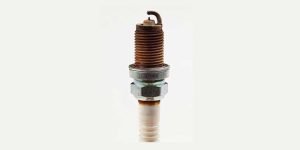
Some parts may need replacing, like spark plugs or fuses. Keep basic replacement parts ready to swap out faulty ones. Common spares include spark plugs, fuses, and ignition switches. Having these parts saves trips to the store.
Battery Troubleshooting
Battery issues are often the root cause when your mower won’t crank. Before you assume the starter or ignition is at fault, it’s smart to check the battery first. This can save you time and money.
Checking Battery Charge
Start by assessing if your battery has enough charge. A simple way is to turn on the mower’s headlights or any electrical accessories. If they appear dim or don’t turn on at all, the battery might be low or dead.
Have you ever tried jump-starting your mower? It’s a quick test that can tell you if the battery is the problem. If the engine cranks with a jump, your battery likely needs charging or replacement.
Cleaning Battery Terminals
Dirty or corroded battery terminals can block the flow of electricity, causing your mower not to crank. Check for white, green, or bluish buildup around the terminals.
Use a mixture of baking soda and water with a wire brush to clean the terminals. After cleaning, make sure the connections are tight. Loose cables can cause the same issues as corrosion.
Testing Battery Voltage
To get a precise reading of your battery’s health, use a multimeter to test the voltage. A fully charged 12-volt battery should read around 12.6 volts or higher.
If the voltage is below 12.4 volts, the battery may not have enough power to crank the mower. Testing voltage helps you decide if you need to recharge or replace your battery without guessing.

Credit: www.youtube.com
Inspecting Safety Switches
Inspecting safety switches is vital when your mower won’t crank. These switches stop the engine from starting under unsafe conditions. A faulty switch can block the mower from starting, even if the battery and starter are fine.
Check each safety switch carefully. Cleaning or adjusting these switches can often fix the problem. Knowing how each switch works helps you find and fix issues quickly.
Seat Safety Switch
The seat safety switch stops the mower from starting if no one is sitting. Dirt or debris can block the switch. Press the seat switch by hand. If it does not click or feels loose, it may need cleaning or replacement.
- Clean around the switch with a soft cloth.
- Check the wiring for damage or loose connections.
- Use a multimeter to test switch continuity.
Brake Pedal Switch
The brake pedal switch ensures the mower starts only when the brake is pressed. This switch can wear out or get stuck. Press the brake pedal and listen for a click from the switch.
- Inspect the brake pedal switch for dirt or corrosion.
- Test wiring for breaks or loose ends.
- Replace the switch if it does not respond properly.
Blade Engagement Switch
The blade engagement switch prevents the mower from starting if the blades are engaged. It is often a lever or button near the mower deck. Check if the switch moves freely without sticking.
- Clean the switch and surrounding area.
- Check the switch’s electrical connections.
- Test with a multimeter to confirm it works correctly.
Starter Motor Checks
The starter motor is key to your mower’s engine starting properly. If the mower won’t crank, the starter motor might be the problem. Checking the starter motor helps find the issue quickly. These checks can save time and money by avoiding unnecessary repairs.
Start by listening carefully for any sounds from the starter motor. Then, test the starter solenoid to ensure it works correctly. If needed, replace the faulty starter motor to get your mower running again.
Listening For Starter Sounds
Turn the key or press the start button. Listen closely for clicking or humming sounds. A clicking sound often means the solenoid is working but the starter motor is not. No sound at all could mean a dead battery or bad wiring. Humming means the starter motor is trying to work but may be stuck. These sounds give clues to the problem’s location.
Testing Starter Solenoid
The starter solenoid acts like a switch for the starter motor. Use a multimeter to check for voltage at the solenoid terminals. Look for corrosion or loose wires on the solenoid. Tap the solenoid gently with a tool while trying to start the mower. If the starter motor spins, the solenoid may be faulty. Replace the solenoid if it fails these tests.
Replacing A Faulty Starter
Remove the battery cable first to avoid shocks. Locate the starter motor on the mower engine. Disconnect all wiring connected to the starter carefully. Unscrew the bolts holding the starter motor in place. Install the new starter motor by reversing these steps. Reconnect the battery and test the mower to confirm the repair.
Ignition System Fixes
The ignition system plays a crucial role in your mower’s ability to start and run smoothly. When your mower won’t crank, the ignition system is one of the first places you should investigate. Fixing ignition issues often involves straightforward checks and simple replacements, saving you time and money.
Testing The Ignition Switch
The ignition switch is the part you turn or press to start the mower. If it’s faulty, the mower won’t crank. To test it, use a multimeter to check for continuity when the key is in the “start” position.
Here’s what you do:
- Disconnect the ignition switch wiring.
- Set your multimeter to the continuity or resistance setting.
- Touch the probes to the switch terminals and turn the key.
If the multimeter doesn’t show continuity when the key is turned, the ignition switch is likely bad and needs replacement. Remember, a working switch completes the circuit and allows power to flow to the starter.
Checking The Key And Wiring
Sometimes the problem isn’t the switch itself but the key or wiring connected to it. A worn or damaged key might not engage the switch properly. Try using a spare key if you have one to rule this out.
Next, inspect the wiring for any signs of damage such as fraying, corrosion, or loose connections. Wiring issues can interrupt the electrical flow and prevent the mower from cranking.
Here’s a quick checklist:
- Look for cracked or broken wires around the ignition switch.
- Ensure all connectors are tightly plugged in.
- Clean any corrosion you find with electrical contact cleaner.
Have you ever found a tiny wire issue that stopped your mower from starting? These small details often cause big headaches but are easy to fix once spotted.
Wiring And Connection Repairs
Wiring and connection issues often cause a mower to fail to crank. Faulty wires or loose connections can stop electricity flow. This section guides you through checking and fixing these problems. Simple repairs can bring your mower back to life quickly.
Inspecting Wiring Harness
Start by examining the wiring harness carefully. Look for cracks, frayed wires, or signs of wear. Dirt and corrosion can also block electrical flow. Check all plugs and connectors for secure fit. Use a flashlight to see inside tight spots. A damaged harness needs attention to restore proper function.
Repairing Loose Connections
Loose connections cause intermittent or no power to the starter. Gently wiggle each connection point to test stability. Tighten screws or clips holding wires in place. Clean dirty terminals with a wire brush or sandpaper. Ensure connectors snap firmly together. Solid connections improve the mower’s starting ability.
Replacing Damaged Wires
Cut out wires that show breaks or heavy damage. Use wire strippers to remove insulation without harm. Match new wires to the original gauge and length. Connect wires with solder or crimp connectors for strength. Wrap joints with electrical tape to prevent shorts. Replacing bad wires restores proper current flow.
Preventive Maintenance Tips
Troubleshoot a mower that won’t crank by checking the battery connections. Ensure wires are secure and corrosion-free. Examine the starter motor for any signs of damage. Inspect the ignition switch and safety features to ensure proper functionality.
Preventive maintenance for your mower can save time and money. Regular checks keep it running smoothly and help avoid starting issues. Below are essential tips for maintaining your mower’s components effectively.Regular Battery Care
Check the battery terminals for corrosion. Clean them with a wire brush if needed. Ensure the battery is charged regularly. A weak battery can prevent the mower from cranking. Replace the battery if it shows signs of aging. Store the battery in a cool, dry place during off-seasons.Routine Safety Switch Testing
Inspect all safety switches for proper function. These switches prevent the mower from starting in unsafe conditions. Test the seat switch and brake switch. They should engage and disengage easily. Replace any faulty switches immediately. This ensures safe operation and starting reliability.Starter And Ignition Upkeep
Examine the starter motor and ignition system. Look for loose wires or damaged components. Tighten any loose connections you find. Test the ignition switch for smooth operation. If the starter struggles, consider servicing or replacing it. Regular upkeep here prevents starting failures.Frequently Asked Questions
Why Does My Mower No Crank Issue Occur?
A mower no crank issue often happens due to a dead battery, faulty ignition switch, or a bad starter. Loose or corroded wiring can also cause this problem. Checking these parts can help identify the root cause quickly and fix it effectively.
How Can I Fix A Mower That Won’t Crank?
First, inspect the battery and connections for charge and corrosion. Next, test the ignition switch and starter motor. Replace any faulty parts. Cleaning terminals and ensuring proper fuel flow also helps restore the mower’s crank function efficiently.
What Safety Checks Should I Do Before Troubleshooting?
Always disconnect the spark plug wire to avoid accidental starts. Wear gloves and eye protection while inspecting electrical parts. Ensure the mower is on a flat surface and the parking brake is engaged before starting any troubleshooting.
Can A Bad Battery Cause Mower No Crank?
Yes, a dead or weak battery is a common cause of mower no crank. Batteries lose charge over time or due to extreme temperatures. Testing and replacing the battery can quickly resolve the no crank issue.
Conclusion
Troubleshooting a mower that won’t crank can save time and money. Check the battery, spark plug, and fuel first. Clean or replace parts that look worn out. Keep safety in mind while working on your mower. Small fixes often bring big results.
Regular maintenance helps avoid future problems. Stay patient and follow each step carefully. Soon, your mower will start running smoothly again.