Is your mower engine overheating and leaving you stuck in the middle of your yard work? You’re not alone, and the good news is that you don’t have to be a mechanic to fix it.
Understanding why your mower engine gets too hot can save you time, money, and frustration. You’ll discover simple, clear steps to troubleshoot overheating issues quickly. Keep reading to get your mower running smoothly again and avoid costly repairs down the line.
Common Causes Of Overheating
Understanding the common causes of mower engine overheating can save you time and money. Overheating often signals a problem that, if ignored, can lead to costly repairs or even engine failure. By identifying these issues early, you can keep your mower running smoothly throughout the season.
Clogged Air Filters
A clogged air filter restricts airflow to the engine, causing it to work harder and overheat. Dirt, grass clippings, and debris can quickly build up, especially if you mow dusty or dry grass. Check your air filter regularly and clean or replace it to ensure proper air circulation.
Low Oil Levels
Oil lubricates and cools the engine’s moving parts. Running your mower with low oil can cause friction and heat to rise sharply. Always check oil levels before you start mowing, and top up or change the oil if it looks dark or dirty.
Dirty Cooling Fins
Cooling fins help dissipate heat from the engine. If these fins are clogged with grass, dirt, or debris, heat won’t escape efficiently, leading to overheating. Take a moment to clean the fins with a brush or compressed air, especially after heavy use.
Fuel Problems
Old or contaminated fuel can cause the engine to run inefficiently and overheat. Water in the fuel or a clogged fuel filter can disrupt combustion. Use fresh fuel and consider adding a fuel stabilizer if you store your mower for long periods.
Faulty Spark Plug
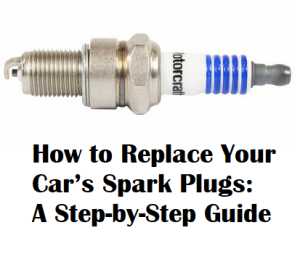
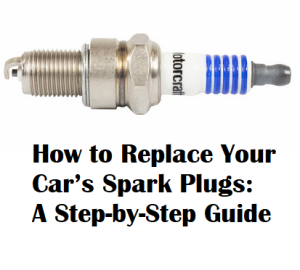
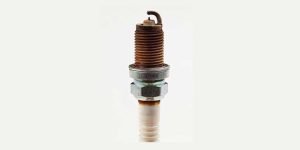
A spark plug that’s dirty or worn out can cause incomplete combustion, putting extra strain on your engine. This strain generates more heat and can lead to overheating. Inspect the spark plug regularly and replace it if you notice signs of wear or fouling.
Credit: www.jensenautoservice.com
Inspecting The Air Filter
Inspecting the air filter is a crucial step in troubleshooting mower engine overheating. A clogged or dirty air filter restricts airflow, causing the engine to work harder and heat up quickly. Checking and maintaining the air filter ensures your mower runs efficiently and stays cool during operation.
Removing The Air Filter
Start by locating the air filter cover, usually on the side of the engine. Use a screwdriver or simply unclip the cover, depending on your mower model. Gently remove the air filter, being careful not to let any dirt fall into the air intake.
Cleaning Or Replacing Filter
If your air filter is made of foam or paper, check for dirt, debris, or damage. Foam filters can often be cleaned with warm, soapy water—rinse and let it dry completely before reinstalling. Paper filters generally need replacement if they look clogged or torn, as cleaning them can reduce effectiveness.
Reinstalling Properly
Place the cleaned or new air filter back into its housing, ensuring it fits snugly without gaps. Secure the air filter cover tightly to prevent any unfiltered air from entering the engine. Have you noticed how even a small misalignment here can cause your mower to overheat again?
Checking Oil Levels
Checking oil levels is a crucial step in troubleshooting mower engine overheating. Low or dirty oil can cause your engine to work harder and heat up quickly. Making sure your oil is at the right level and in good condition helps your engine run smoothly and stay cool.
Using The Dipstick Correctly
First, find the dipstick, usually marked with a bright handle. Remove it, wipe it clean with a cloth, and then reinsert it fully before pulling it out again to check the oil level.
Look at the marks on the dipstick—there will be a minimum and maximum line. Your oil level should fall between these lines. If it’s below the minimum, your engine lacks enough lubrication, which can lead to overheating.
Topping Up Or Changing Oil
If the oil level is low, add oil slowly to avoid overfilling. Pour in small amounts, then recheck with the dipstick after waiting a minute for the oil to settle. Overfilling can cause equally serious engine problems.
Dirty or old oil loses its ability to cool and lubricate the engine effectively. If the oil looks dark or gritty, it’s time to change it entirely rather than just topping up. Regular oil changes can prevent many overheating issues before they start.
Recommended Oil Types
Using the right oil type for your mower is essential. Check your mower’s manual for the recommended oil grade and viscosity. Typically, SAE 30 is common for warm weather, while 10W-30 is better for varying temperatures.
Choosing the wrong oil can reduce engine efficiency and increase the chance of overheating. Have you ever used a different oil type and noticed your mower behaving oddly? Sticking to manufacturer recommendations keeps your engine happy and cool.
Cleaning Cooling Components
Cleaning the cooling components of your mower engine is key to prevent overheating. Dirt and debris block airflow and stop the engine from cooling properly. Regular cleaning keeps the engine running smoothly and extends its life.
Accessing Cooling Fins
Locate the cooling fins on the mower engine. They are thin metal ridges around the engine cylinder. Remove any covers or guards that block access. Use a screwdriver or wrench if needed. Handle parts gently to avoid damage.
Removing Debris And Dirt
Use a brush or compressed air to clear debris from the cooling fins. Remove grass clippings, dust, and dirt carefully. Avoid using water directly on the engine to prevent damage. Check for stuck debris between fins and clean thoroughly.
Ensuring Proper Airflow
Make sure nothing blocks the air intake areas near the engine. Clear nearby leaves, grass, and objects that reduce airflow. Check the fan blades for dirt buildup and clean if necessary. Good airflow helps the engine stay cool during use.
Examining The Fuel System
Examining the fuel system is crucial when troubleshooting mower engine overheating. The fuel system supplies the engine with the right mix of fuel and air. Problems here can cause the engine to run too hot. Checking the fuel system ensures the engine gets clean and proper fuel flow for smooth operation.
Checking Fuel Quality
Fuel quality affects engine performance directly. Old or contaminated fuel can cause overheating. Check for dirt, water, or unusual smell in the fuel. Clear, fresh gasoline works best. Avoid fuel with excessive ethanol, as it can damage the engine.
Inspecting Fuel Lines
Fuel lines carry gasoline from the tank to the engine. Look for cracks, leaks, or blockages. Damaged lines reduce fuel flow and cause the engine to overheat. Replace any brittle or broken fuel lines immediately. Ensure all connections are tight and secure.
Replacing Old Fuel
Fuel left in the tank for too long loses its effectiveness. Stale fuel can clog the carburetor and cause engine problems. Drain old fuel completely. Fill the tank with fresh gasoline. This simple step often solves overheating caused by poor fuel quality.
Testing The Spark Plug
Testing the spark plug is a crucial step in troubleshooting mower engine overheating. A faulty spark plug can cause incomplete combustion, leading to excessive heat buildup in the engine. Checking your spark plug helps you identify if it’s part of the overheating problem and ensures your mower runs smoothly.
Removing And Inspecting Plug
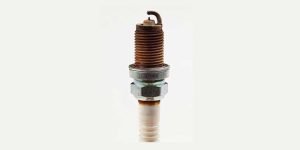
Start by disconnecting the spark plug wire carefully. Use a spark plug socket wrench to remove the plug without damaging it. Once out, inspect the plug’s tip for signs of wear, carbon buildup, or oil deposits.
A dry, clean plug usually indicates the spark plug is fine. However, if you see black soot, it might mean your engine is running too rich. A wet or oily plug could suggest a fuel leak or poor combustion, both of which can cause overheating.
Cleaning Or Replacing Plug
If your spark plug shows minor deposits, cleaning it can restore its function. Use a wire brush or spark plug cleaner to remove dirt and carbon. Avoid harsh scraping, as it can damage the electrode.
Replace the spark plug if it’s cracked, excessively worn, or fouled beyond cleaning. A fresh spark plug ensures a strong spark, which is essential for proper engine combustion and temperature control.
Adjusting Gap Settings
The gap between the spark plug electrodes affects the spark’s strength. Use a feeler gauge to measure the gap, then adjust it according to your mower’s manual specifications. Too wide or too narrow a gap can cause misfiring and overheating.
Checking the gap might seem minor, but it can solve many engine issues. Have you ever noticed your mower running rough only to find the spark plug gap was off? Small tweaks here can save you from bigger, costlier repairs down the line.
Preventive Maintenance Tips
Regularly clean air filters and check for clogs to prevent mower engine overheating. Inspect fuel lines for leaks or damage. Keep the mower’s cooling fins free of debris and ensure proper oil levels to maintain efficient engine performance.
Preventive maintenance keeps your mower running smoothly and prevents overheating. Regular upkeep extends the life of your engine. It saves you money on repairs. Follow these simple tips to maintain your mower’s health.Regular Cleaning Schedule
Clean your mower after each use. Remove grass clippings and dirt from the deck. Check the cooling fins and air vents. Blocked vents cause overheating. Use a brush or compressed air for tough spots. Clean blades ensure efficient cutting.Oil Change Intervals
Regular oil changes are vital. Old oil loses its cooling properties. Check oil levels before every mowing session. Change the oil after 25-50 hours of use. Follow the manufacturer’s recommendations. Use the correct oil type for your model.Storage Best Practices
Store your mower in a cool, dry place. Avoid damp areas. Moisture causes rust and engine problems. Use a cover to protect from dust. Drain fuel if storing for long periods. Fuel degrades and clogs the engine. Keep your mower ready for the next season.
Credit: www.fridayparts.com
When To Seek Professional Help
Knowing when to call a professional for mower engine overheating can save you time, money, and frustration. Some problems are simple fixes, but others need expert attention to avoid further damage. Understanding the signs that point beyond DIY repairs helps you make the right decision for your mower’s health.
Persistent Overheating Issues
If your mower engine keeps overheating despite your attempts to cool it down, it’s a clear sign to seek professional help. Repeated overheating can damage the engine’s internal parts, leading to costly repairs or replacements.
Have you noticed your mower getting hot quickly every time you use it? This could mean a deeper problem like a blocked cooling system or damaged components that need inspection beyond surface-level fixes.
Complex Engine Repairs
Some engine problems require specialized tools and knowledge that most homeowners don’t have. Issues like a blown head gasket, cracked engine block, or faulty fuel system are complex and risky to fix on your own.
Attempting these repairs without proper experience can cause more harm than good. Professionals can diagnose the exact cause and perform repairs safely and efficiently, giving your mower a better chance at a long life.
Warranty And Service Options
Check if your mower is still under warranty before attempting significant repairs. Many manufacturers require you to have repairs done by authorized service centers to keep the warranty valid.
Using professional services might seem costly upfront but can save you money if the repair is covered. Plus, certified technicians can offer maintenance tips to prevent future overheating problems.

Credit: www.youtube.com
Frequently Asked Questions
Why Is My Mower Engine Overheating?
Your mower engine may overheat due to dirty air filters, low oil levels, or clogged cooling fins. Regular maintenance helps prevent overheating by ensuring proper airflow and lubrication.
How Can I Prevent Mower Engine Overheating?
Prevent overheating by cleaning the air filter, checking oil levels, and clearing debris from cooling fins. Regular servicing keeps the engine running smoothly and cool.
What Are Signs Of An Overheating Mower Engine?
Signs include engine stalling, smoke, unusual smells, and the engine casing feeling excessively hot. Immediate action prevents permanent damage to your mower.
Can Using Wrong Oil Cause Mower Overheating?
Yes, using incorrect oil reduces lubrication, causing friction and overheating. Always use the manufacturer-recommended oil type and change it regularly.
Conclusion
Keeping your mower engine cool helps it work longer and better. Clean air filters and check oil levels often. Watch for dirt or debris blocking airflow. Fix small problems before they become big. Regular care saves time and money later.
A cool engine means a happy mower. Stay safe and enjoy mowing without stress. Simple steps make a big difference. Your mower will thank you with good service.