Is your mower engine misfiring and leaving you stuck in the middle of your yard work? You’re not alone.
A misfiring engine can be frustrating, but the good news is that you don’t have to be a mechanic to fix it. In this guide, you’ll discover simple, step-by-step ways to troubleshoot your mower’s engine problems. By the end, you’ll know exactly what’s causing the issue and how to get your mower running smoothly again.
Keep reading—your mower will thank you!
Common Causes Of Engine Misfire
Engine misfires in your mower can be frustrating, especially when you need your lawn looking perfect. Understanding the common causes behind these misfires helps you fix the problem faster and avoid repeated breakdowns. Let’s look at what usually triggers these issues so you can troubleshoot effectively.
Spark Plug Issues
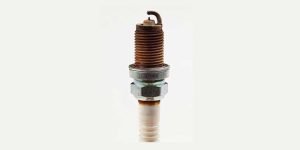
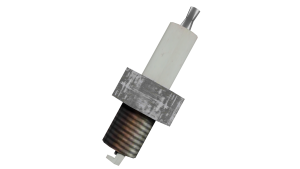
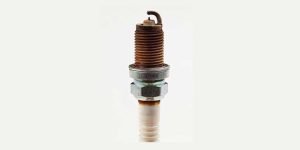
Your mower’s spark plug is vital for igniting the fuel-air mixture. If it’s dirty, worn, or damaged, the spark may become weak or inconsistent, causing misfires.
Check for signs like carbon buildup, cracks, or corrosion on the plug. Sometimes, simply replacing the spark plug restores smooth engine performance.
Fuel Supply Problems
Fuel quality and flow directly affect engine combustion. Old or contaminated fuel can clog small passages, leading to incomplete burning and engine hesitation.
Have you noticed your mower sputtering after sitting unused? Draining old fuel and refilling fresh gasoline can often clear up misfires linked to fuel issues.
Air Filter Blockages
A clogged air filter restricts airflow to the engine, upsetting the fuel-air balance. This imbalance can cause rough running or misfiring.
Inspect your air filter regularly and clean or replace it if it looks dirty. A clean air filter ensures your engine breathes easy and runs smoothly.
Ignition System Faults
Beyond the spark plug, the entire ignition system plays a role in firing the engine correctly. Faulty ignition coils, wires, or connections can interrupt the spark delivery.
Have you checked for loose or damaged wires? Repairing or replacing faulty ignition components can bring your engine back to life.
Carburetor Malfunctions
The carburetor mixes fuel and air before combustion. If it’s dirty or misadjusted, it can cause inconsistent fuel flow and misfires.
Cleaning the carburetor jets or adjusting the fuel mixture screws may solve your problem. Don’t overlook this part; a smooth-running engine often starts here.
Diagnosing The Misfire
Diagnosing a mower engine misfire requires a systematic approach to identify the exact cause. Misfires often stem from issues related to ignition, fuel, or air supply. By carefully checking each component, you can pinpoint the problem and get your mower running smoothly again.
Checking The Spark Plug
The spark plug is a common culprit behind engine misfires. Remove the spark plug and examine its condition. Look for signs of wear, corrosion, or carbon buildup, which can prevent proper ignition.
Try cleaning the plug with a wire brush if it’s dirty. If the electrode is damaged or the plug is very old, replacing it is the best option. Have you ever noticed your mower sputtering right after a long run? A faulty spark plug might be why.
Inspecting The Fuel System
Fuel issues can cause inconsistent engine firing. Check the fuel filter for clogs or dirt that could restrict flow. Also, inspect the fuel lines for cracks or leaks that might disrupt fuel delivery.
Old or stale fuel often leads to misfires. Drain any old fuel and refill with fresh gasoline. When was the last time you refreshed your mower’s fuel? It’s worth checking before you dig deeper.
Examining The Air Filter
A clogged air filter limits airflow, affecting the fuel-air mixture needed for proper combustion. Remove the air filter and hold it up to the light; if you can’t see light through it, it’s time for cleaning or replacement.
Running your mower with a dirty air filter can cause rough idling and misfires. Keeping this simple part clean can save you a lot of headaches. Do you regularly inspect your air filter, or is it often overlooked?
Testing The Ignition Coil
The ignition coil generates the spark your engine needs to fire. Use a multimeter to test the coil’s resistance and compare it with the manufacturer’s specifications. A faulty coil will show readings outside the normal range.
If your mower’s spark plug isn’t firing despite being clean and new, the ignition coil might be the issue. Swapping out a bad coil can restore reliable engine performance quickly. Have you ever replaced an ignition coil yourself?
Assessing Carburetor Condition
The carburetor mixes fuel and air for combustion. Over time, it can get clogged with varnish or debris, causing misfires. Check for signs like rough running or backfiring, which often point to carburetor problems.
Cleaning the carburetor with a specialized cleaner can clear blockages and improve fuel flow. In stubborn cases, a rebuild or replacement might be necessary. Is your mower’s carburetor due for a checkup after months of heavy use?
Quick Fixes For Mower Misfire
Your lawn mower’s engine misfiring can be frustrating. Luckily, there are some quick fixes you can try at home. These straightforward solutions often restore your mower’s performance without much hassle. Let’s explore these quick fixes to get your mower running smoothly again.
Replacing Or Cleaning Spark Plugs
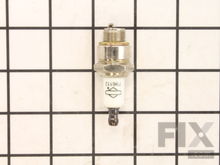
Spark plugs ignite the fuel-air mixture in the engine. If they’re dirty or worn out, they can cause misfires. To fix this, remove the spark plug using a wrench. Inspect it for dirt or damage. Clean it using a wire brush or replace it if needed. Ensure the gap between the electrodes is correct. This simple step often resolves misfiring issues.
Cleaning Or Replacing Air Filters
Air filters prevent dirt from entering the engine. When clogged, they restrict airflow. This can lead to misfiring. Remove the air filter and check its condition. If it’s dirty, clean it with soapy water and let it dry. Replace it if it’s damaged or too dirty. A clean filter ensures proper airflow, improving engine performance.
Clearing Fuel Lines And Filters
Fuel lines and filters can get clogged with debris. This affects fuel delivery, causing misfires. Check the fuel lines for blockages and clean them if necessary. Inspect the fuel filter and replace it if it’s clogged. Regular maintenance of these components helps keep the engine running smoothly.
Adjusting Or Rebuilding Carburetor
The carburetor mixes air and fuel for the engine. If it’s not adjusted correctly, it can cause misfires. Adjust the carburetor screws to the recommended settings. If this doesn’t help, consider rebuilding it. A well-tuned carburetor ensures efficient engine operation.
Repairing Ignition Components
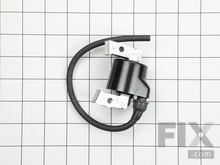
Ignition components like coils and modules can wear out. This disrupts the spark needed for combustion. Check these parts for damage or wear. Replace any faulty components. This ensures a strong spark, reducing the chances of misfire.
Credit: www.fix.com
Preventive Maintenance Tips
Preventing mower engine misfires is easier than fixing them after they happen. Regular upkeep keeps your mower running smoothly and saves you time and money. Focusing on key maintenance areas helps you spot small issues before they turn into big problems.
Regular Spark Plug Checks
Check your spark plugs often to ensure they ignite the fuel properly. Look for signs of wear like deposits, cracks, or corrosion on the plug. Replacing a bad spark plug can instantly improve engine performance and reduce misfires.
Have you noticed your mower struggling to start or running rough? A quick spark plug inspection might be all it needs.
Fuel Quality And Storage
Use fresh fuel and avoid letting it sit in your mower for months. Old or contaminated fuel can cause misfires by clogging the carburetor or fuel lines. Store fuel in a clean, sealed container away from heat and sunlight to keep it stable.
Think about the last time you changed your fuel. Could stale gas be the hidden cause of your engine trouble?
Air Filter Replacement Schedule
A clean air filter is essential for the right air-to-fuel mix. Check your air filter regularly and replace it if it looks dirty or clogged. A blocked filter chokes the engine, leading to misfires and poor fuel economy.
Set a reminder to inspect your air filter before each mowing season starts, or more often if you mow in dusty conditions.
Routine Carburetor Cleaning
Carburetors often get gummed up with old fuel residues, which disrupts fuel flow and causes misfires. Cleaning your carburetor at least once a season keeps fuel moving smoothly. Use a carburetor cleaner spray and a soft brush for best results.
Have you ever opened a carburetor only to find sticky buildup? Regular cleaning prevents this surprise and keeps your engine happy.
Ignition System Upkeep
Inspect the ignition coil, wires, and connections for damage or wear. Faulty ignition parts can cause weak or no spark, leading to misfires. Tighten loose connections and replace worn parts promptly to maintain a strong ignition system.
Ask yourself if you’ve checked the wiring and ignition components lately—these small parts often get overlooked but are crucial for a smooth-running mower.
When To Seek Professional Help
Knowing when to seek professional help is key to fixing mower engine misfires. Some problems need expert skills and tools. Attempting repairs beyond your knowledge can cause more damage. Safety is also a major concern when dealing with engine issues. Understanding these signs can save time and money.
Persistent Engine Misfire
If the engine keeps misfiring after basic fixes, it’s time to call a pro. Continuous misfires may point to deeper engine troubles. Professionals can diagnose hidden problems that are hard to spot.
Complex Carburetor Repairs
Carburetor problems often require detailed cleaning or rebuilding. These tasks need special tools and experience. Mistakes can worsen performance or cause leaks. Let a technician handle carburetor repairs for best results.
Electrical System Issues
Misfires can stem from faulty spark plugs, wires, or ignition systems. Electrical faults need careful testing and replacement. Professionals use diagnostic tools to find and fix electrical faults safely.
Warranty And Safety Concerns
Attempting repairs might void your mower’s warranty. Professionals ensure repairs follow safety standards. They also provide warranty-covered services. Trust experts to protect your mower and your safety.

Credit: www.fix.com
Credit: www.fix.com
Frequently Asked Questions
What Causes Mower Engine Misfiring?
Mower engine misfiring is usually caused by faulty spark plugs, dirty air filters, or fuel issues. It can also stem from clogged carburetors or ignition problems. Regular maintenance helps prevent these causes and ensures smooth engine performance.
How Do I Fix A Misfiring Mower Engine?
To fix a misfiring mower engine, check and replace spark plugs if worn. Clean or replace the air filter and inspect the fuel system for clogs. Adjust the carburetor and ensure proper ignition timing for optimal engine function.
Can Bad Fuel Cause Mower Engine Misfiring?
Yes, bad or stale fuel can cause mower engine misfiring. Old fuel loses combustibility, leading to poor engine performance. Always use fresh fuel and add fuel stabilizer if storing the mower for long periods to prevent misfiring issues.
How Often Should I Clean Mower Engine Parts?
Cleaning mower engine parts is recommended every 25 hours of use or at least once per season. Regular cleaning prevents buildup of dirt and debris that can cause misfiring and other engine problems, improving mower reliability and lifespan.
Conclusion
Troubleshooting a mower engine misfire can save time and money. Check the spark plug, fuel, and air filter first. Clean or replace parts as needed to keep the engine running smoothly. Regular maintenance helps prevent future problems. Small fixes often solve big issues.
Stay patient and methodical during the process. Your mower will run better with proper care. Keep your lawn neat and enjoy the work without engine trouble. Simple steps make a big difference in mower performance.