Is your mower engine struggling to stay at a steady idle? You’re not alone.
A mower that won’t idle properly can interrupt your work and leave you frustrated. But don’t worry—fixing this common issue is easier than you think. You’ll discover simple, step-by-step ways to identify and solve mower engine idle problems. Whether you’re a seasoned pro or a weekend gardener, these tips will help you get your mower running smoothly again—fast.
Keep reading to learn how to bring your mower back to life and save time on your next lawn care session.
Common Causes Of Idle Problems
Idle problems with your mower’s engine can be frustrating, especially when you’re ready to get the job done. Understanding the common causes can save you time and money. Let’s look at some typical issues that might be behind your mower engine not idling properly.
Dirty Carburetor
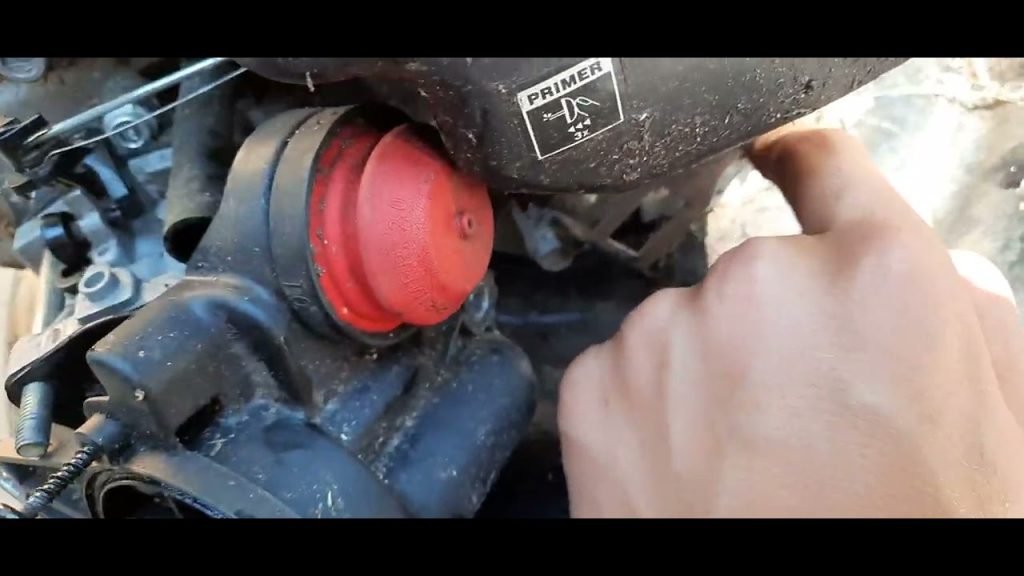
Your mower’s carburetor mixes air and fuel for the engine. Over time, dirt and debris can clog its small jets and passages. This restricts fuel flow, causing rough or unstable idling.
Have you noticed your mower sputtering or stalling right after you start it? That’s often a sign the carburetor needs cleaning. Regularly checking and cleaning the carburetor can keep your engine running smoothly.
Clogged Air Filter
A clogged air filter chokes your engine by limiting air intake. Without enough air, the fuel-air mix becomes too rich, making the engine stall or idle unevenly.
Think about the last time you skipped replacing your air filter — did your mower feel sluggish? Replacing or cleaning the air filter is a quick fix that often restores proper idling.
Faulty Spark Plug
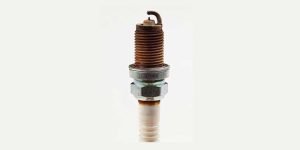
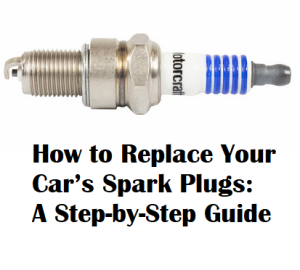
The spark plug ignites the fuel-air mixture inside the engine. If it’s worn or fouled, ignition becomes weak or inconsistent. This leads to misfires, making the engine idle roughly or stop.
Have you checked your spark plug lately? Removing it to inspect for carbon buildup or damage can tell you a lot. Swapping in a new spark plug is one of the easiest ways to fix idle problems.
Fuel Issues
Old or contaminated fuel can cause your mower’s engine to hesitate or stall at idle. Fuel can degrade, especially if left in the tank over winter, leading to varnish and deposits that clog fuel lines and carburetor parts.
Do you store your mower with fuel left inside? Draining old fuel and refilling with fresh gasoline often clears up idle problems. Adding a fuel stabilizer during storage can prevent these issues from recurring.

Credit: www.youtube.com
Preparing For Troubleshooting
Before diving into troubleshooting mower engine idle issues, preparing properly can save you time and prevent accidents. Taking a moment to get ready ensures you work efficiently and safely. Are you set up to handle the task without unnecessary risks or delays?
Safety Precautions
Always start by turning off the mower and disconnecting the spark plug wire. This prevents accidental starts while you work on the engine.
Wear protective gloves and eye protection to shield yourself from dirt, debris, or unexpected fuel splashes. Keep your workspace clean and free from flammable materials to reduce fire hazards.
Make sure the mower is on a flat, stable surface so it won’t tip over during inspection. Have a fire extinguisher nearby just in case things go wrong.
Required Tools And Materials
Gather these basic tools to troubleshoot effectively:
- Screwdrivers (both flathead and Phillips)
- Socket wrench set
- Carburetor cleaner spray
- Clean rags or cloths
- Replacement spark plug (optional)
- Fuel stabilizer or fresh gasoline
Having these items ready will prevent you from stopping midway to search for tools. If you encounter stubborn dirt or clogged parts, a carburetor cleaner can make all the difference.
Do you have all these tools at hand? If not, take a moment to prepare before you start. It’s easier to fix idle issues with the right gear nearby.
Cleaning The Carburetor
Cleaning the carburetor removes dirt and buildup that block fuel flow. This helps fix uneven or low mower engine idle problems. Regular cleaning keeps the engine running smoothly and prevents stalling.
Cleaning the carburetor is a crucial step when addressing mower engine idle issues. A dirty carburetor can be the root cause of poor engine performance. By ensuring it’s clean, you can restore your mower’s efficiency and save yourself from costly repairs. But how do you go about cleaning it properly?Removing The Carburetor
First, ensure your mower is off and cool to the touch. Disconnect the spark plug to prevent accidental starts. This is a vital safety precaution. Locate the carburetor, usually found near the air filter and fuel line. Carefully detach any linkages or hoses connected to it. Remember to take pictures or label parts to make reassembly easier.Using Carburetor Cleaner
Once removed, place the carburetor on a clean, flat surface. Use a carburetor cleaner spray to dissolve built-up dirt and deposits. Focus on the small jets and passages where blockages are common. Allow the cleaner to sit for a few minutes, then use a soft brush to gently scrub away any remaining debris. Make sure all parts are thoroughly cleaned and rinsed.Reassembling Components
With the carburetor clean, reattach it to your mower following the steps in reverse. Use the pictures or labels you created to ensure everything goes back in its rightful place. Reconnect the spark plug and start the mower to test its idle. Notice the difference? A clean carburetor often results in a smoother, more efficient engine performance. By taking these steps, you can keep your mower running smoothly. Have you ever faced carburetor issues before? Share your experiences in the comments!Replacing Or Cleaning The Air Filter
The air filter plays a key role in your mower engine’s performance. Dirt and debris can clog the filter, causing idle issues. Cleaning or replacing the air filter often restores smooth engine running. This simple maintenance step improves airflow and fuel efficiency.
Checking The Air Filter Condition
Remove the air filter from the mower. Look for dirt, dust, and damage. A dark, clogged filter blocks air. Small tears or holes let dirt inside the engine. Hold it up to light; if light does not pass through, the filter needs attention.
Cleaning Methods
For foam or reusable filters, use warm soapy water. Gently squeeze out dirt without twisting. Let the filter dry completely before reinstalling. Paper filters cannot be washed but can be tapped gently to remove loose dirt. Avoid using compressed air; it can damage the filter fibers.
When To Replace
Replace the air filter if it is torn or very dirty. A worn-out filter reduces engine performance. Change it at least once every season or after 25 hours of use. Frequent replacement keeps the mower running smoothly and prevents engine damage.
Inspecting And Replacing The Spark Plug
Inspecting and replacing the spark plug is a crucial step in diagnosing mower engine idle issues. A faulty spark plug can cause rough idling, stalling, or difficulty starting. By checking the spark plug’s condition, you can often pinpoint the problem and restore smooth engine performance quickly.
Removing The Spark Plug
Start by turning off your mower and disconnecting the spark plug wire to avoid accidental starts. Use a spark plug socket and a ratchet wrench to carefully loosen and remove the plug from the engine. Keep track of the spark plug’s position and avoid dropping it, as it can be fragile.
Signs Of Wear
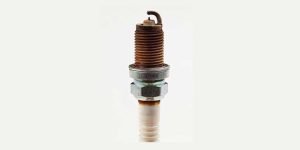
Look closely at the spark plug for signs of damage or wear. A healthy plug will have a light tan or grayish color on the electrode. If you see black, oily deposits, heavy carbon buildup, or a cracked insulator, the plug needs replacement.
Have you noticed your mower idling roughly or stalling? These signs often point to a spark plug problem that’s easy to fix once identified.
Installing A New Plug
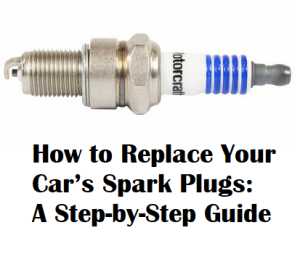
Before installing the new spark plug, check its gap with a feeler gauge to match the manufacturer’s specifications. Carefully thread the new plug into the engine by hand to avoid cross-threading. Use the spark plug socket to snug it up firmly, but don’t over-tighten.
Reconnect the spark plug wire and test your mower’s idle. You’ll likely feel the difference with a fresh, properly installed spark plug improving engine stability and performance.

Credit: www.reddit.com
Addressing Fuel-related Issues
Fuel problems often cause mower engine idle issues. Bad or old fuel can stop your mower from running smoothly. It can make the engine sputter or stall at idle. Checking and managing fuel quality keeps the mower engine steady. Simple steps fix many fuel-related problems fast. Follow these tips to keep your mower running well.
Checking Fuel Quality
Good fuel is clean and fresh. Look for dirt, water, or cloudiness in the gas. Fuel that smells sour or stale is bad. Old fuel loses power and causes rough idling. Always use fresh gasoline with the right octane for your mower. Keep the fuel container sealed tight to avoid contamination.
Draining Old Fuel
Old fuel can clog the carburetor and fuel lines. Drain the fuel tank completely if the mower sits unused for months. Use a siphon pump or tilt the mower carefully. Dispose of old fuel safely at a recycling center. After draining, refill with fresh gasoline for best results.
Using Fuel Stabilizers
Fuel stabilizers help keep gasoline fresh longer. Add stabilizer to the fuel tank if you store the mower for more than 30 days. It prevents fuel breakdown and varnish buildup inside the engine. Follow the product instructions for proper amounts. Stabilizers reduce engine start problems and improve idle performance.
Adjusting The Idle Speed
Adjusting the idle speed on a mower engine can fix rough or stalling idle problems. The idle speed controls how fast the engine runs when you do not press the gas. Setting it right keeps the engine smooth and ready to work. Simple tools and steps can help you do this task safely and correctly.
Locating The Idle Screw
The idle screw is usually on the side of the carburetor. It controls the air and fuel mix at low engine speeds. Find a small screw near the throttle lever or butterfly valve. Sometimes it has a spring around it to keep it from moving. Use a screwdriver to turn this screw carefully. Turning it clockwise often lowers the idle speed. Turning it counterclockwise raises the idle speed.
Setting The Correct Rpm
Check the mower’s manual for the recommended idle speed in RPM. Most small engines idle between 1200 and 1500 RPM. Use a tachometer tool to measure the engine speed. Start the mower and let it warm up for a few minutes. Turn the idle screw slowly while watching the RPM. Adjust until the engine runs smoothly at the right speed. Avoid setting the idle too high to prevent wear or too low to avoid stalling.
Credit: www.housedigest.com
Testing After Repairs
Testing after repairs is crucial to ensure your mower engine idles smoothly. This step confirms that all fixes work as intended. It also helps catch any missed issues before full use.
Take your time during testing. Small problems can cause big engine troubles later. Follow these steps for a thorough check.
Starting The Engine
Start the mower engine in a clear, open area. Make sure the engine warms up for a few minutes. Watch for any unusual sounds or smoke. This helps identify if repairs held up under normal operation.
Listening For Stable Idle
Focus on the engine’s sound at idle. It should run smooth and steady. No sputtering, stalling, or fluctuating speed is a good sign. If the engine revs up and down, further tuning is needed.
Making Final Adjustments
Use the idle screw or throttle to fine-tune the engine speed. Adjust slowly and listen carefully after each change. Aim for a quiet, steady engine that does not stall. Test again after adjustments to confirm stability.
Frequently Asked Questions
Why Is My Mower Engine Idle Fluctuating?
Fluctuating idle often indicates dirty carburetor or clogged fuel filters. Check and clean these parts. Also, inspect spark plugs and air filters for wear or dirt.
How To Fix Mower Engine Idling Too High?
Adjust the throttle or idle screw on the carburetor. Clean the air filter and carburetor to ensure smooth airflow and fuel mixture.
What Causes Mower Engine To Stall At Idle?
Stalling can result from a dirty carburetor, clogged fuel lines, or a faulty spark plug. Regular maintenance helps prevent stalling issues.
How Often Should I Clean Mower Carburetor For Idle Issues?
Clean the carburetor every 25 hours of use or annually. Regular cleaning prevents build-up that causes idle problems and engine performance issues.
Conclusion
Troubleshooting mower engine idle issues is easier than it seems. Check the air filter, spark plug, and fuel system first. Clean or replace parts as needed. Keep your mower well-maintained for smooth running. Small problems can cause big idle troubles.
Regular care saves time and money. Stay patient and follow simple steps. Your mower will run better and last longer. Don’t ignore idle issues; fix them early. Enjoy a quiet, steady engine every time you mow.