Have you ever tried to start your mower only to find it won’t catch, or it sputters and dies right away? Your mower engine might be flooded, and that can be frustrating when you’re ready to get the job done.
But don’t worry—fixing a flooded mower engine is easier than you think. You’ll discover simple, step-by-step ways to troubleshoot and clear the flooding, so your mower starts smoothly every time. Keep reading, and you’ll be back to cutting your grass without hassle in no time.
Signs Of Engine Flooding
Recognizing the signs of engine flooding can save you time and frustration while troubleshooting your mower. Flooding happens when too much fuel enters the engine, preventing it from starting properly. Paying attention to these specific symptoms helps you identify the problem quickly and take the right steps to fix it.
Engine Won’t Start
If your mower engine cranks but refuses to start, flooding might be the culprit. The excess fuel drowns the spark, making ignition impossible. Have you noticed your mower turning over without firing up? That hesitation often points straight to flooding.
Strong Smell Of Gas
A strong gasoline odor around your mower is a red flag. It means fuel is pooling inside the engine instead of burning off. This smell usually hits you right after several failed attempts to start the engine. If you smell gas, pause and check for flooding before trying again.
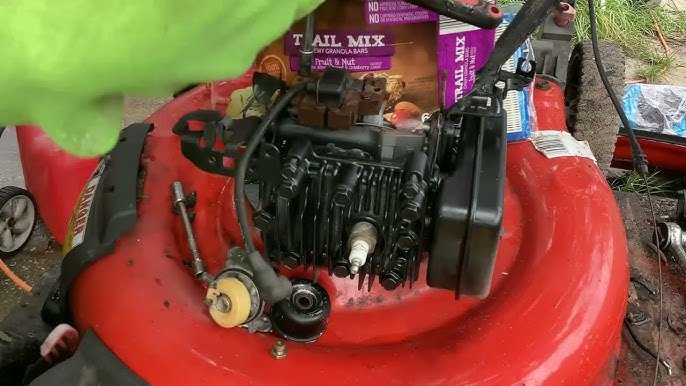
Wet Spark Plug
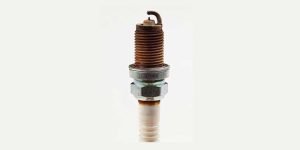
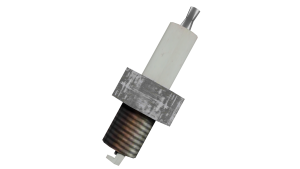
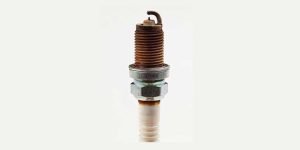
Removing and inspecting the spark plug can reveal flooding. A spark plug soaked with fuel looks wet and smells strongly of gasoline. This condition prevents the spark from igniting the fuel-air mix. If your plug looks like this, drying or replacing it can get your mower running again.
Credit: www.mowmore.com
Common Causes Of Flooding
Understanding the common causes of mower engine flooding can save you time and frustration. Flooding happens when too much fuel enters the engine, making it hard or impossible to start. Identifying why this happens helps you fix the problem quickly and get back to work.
Choke Left On
One of the most frequent reasons for flooding is leaving the choke on too long. The choke restricts air flow to create a richer fuel mixture for starting. If you forget to turn it off after the engine warms up, excess fuel floods the combustion chamber.
Have you ever started your mower, heard it sputter, then struggled to restart it? This is often a sign the choke is still engaged. Try checking the choke position before pulling the starter cord again.
Carburetor Issues
The carburetor controls the fuel and air mixture going into the engine. If it’s dirty, clogged, or malfunctioning, it can deliver too much fuel. This leads to flooding and poor engine performance.
Cleaning the carburetor jets and passages can often solve the problem. Sometimes, worn-out carburetor parts need replacing. Regular maintenance here prevents flooding and keeps your mower running smoothly.
Old Or Bad Fuel
Using stale or contaminated fuel is a hidden cause of flooding. Fuel degrades over time and loses its ability to burn properly. This can cause the engine to choke and flood.
Have you checked how long your gas has been sitting in the tank? If it’s been more than a month, consider draining it and refilling with fresh fuel. Adding a fuel stabilizer can also help prevent this issue in the future.
Immediate Steps To Fix Flooding
Dealing with a flooded mower engine can be frustrating, especially when you’re eager to get back to work. Acting quickly and correctly can save you time and prevent further engine damage. Here’s what you should do immediately to fix flooding and get your mower running smoothly again.
Wait Before Restarting
Resist the urge to start your mower right away after flooding. Starting it repeatedly can flood the engine even more, making the problem worse.
Give the engine time to dry out naturally. Waiting for about 10 to 15 minutes allows excess fuel to evaporate, reducing the risk of further flooding.
Have you noticed how a short pause can prevent hours of frustration? Patience here is more powerful than you might think.
Remove And Dry Spark Plug
Next, remove the spark plug to check its condition. A wet or fouled spark plug is a clear sign of flooding.
Wipe the spark plug dry with a clean cloth and let it air out for a few minutes. If you have a spare, swapping it in can speed up the process.
This simple action often restores your mower’s spark, making it easier to start once the engine is dry.
Clear Excess Fuel
Excess fuel in the carburetor or engine can keep the flooding problem alive. You’ll want to clear it out to restore proper fuel flow.
Open the fuel valve or drain the carburetor bowl to let out the extra fuel. Some mowers have a primer bulb—press it a few times to push excess fuel out.
Think about how clearing this blockage can give your engine the fresh start it needs. It’s a small step with a big impact.
Carburetor Cleaning Tips
A flooded mower engine often signals carburetor issues. Cleaning the carburetor removes dirt and helps restore proper fuel flow. Checking and adjusting the float level prevents excess fuel buildup and engine flooding.
Cleaning the carburetor can solve mower engine flooding issues. Dirt or debris often clogs the carburetor, affecting fuel flow. Regular cleaning keeps your mower running smoothly. Follow these steps for effective carburetor cleaning.Remove Carburetor
First, disconnect the spark plug. This ensures safety during work. Locate the carburetor near the engine’s air filter. Use a screwdriver to detach it. Be gentle to avoid damaging parts. Keep screws and small parts safe for reassembly.Use Carburetor Cleaner
Spray the cleaner into the carburetor’s openings. Focus on jets and passages. Let the cleaner dissolve the grime. Use a brush for stubborn dirt. Be thorough but gentle to avoid scratches. Ensure every part is clean before moving on.Reassemble And Test
Reattach the carburetor carefully. Align it properly to avoid leaks. Tighten screws securely. Reconnect the spark plug. Start the mower to test. Listen for smooth engine sounds. If flooding persists, consider further inspection.Prevent Flooding In Future
Flooding your mower’s engine can be frustrating and time-consuming. The good news is that many flooding issues are preventable with a few simple habits. Let’s look at how you can stop flooding before it starts, saving you from unnecessary headaches and keeping your mower running smoothly.
Proper Choke Use
Using the choke correctly is crucial to avoid flooding. When starting a cold engine, engage the choke fully, but don’t leave it on once the engine warms up. Leaving the choke on too long floods the engine with fuel, causing it to stall or hesitate.
Try this: after a few seconds of starting, gradually push the choke back to the “off” position as you feel the engine running more smoothly. It might take some practice, but your mower will thank you with a clean start every time.
Regular Maintenance
Keeping your mower in good shape helps prevent flooding. Check the air filter regularly—if it’s dirty or clogged, your engine can’t breathe properly, which affects fuel combustion. Replace the filter as needed to keep airflow steady.
Also, inspect spark plugs. Worn or fouled plugs can cause misfires that mimic flooding symptoms. Cleaning or replacing them on schedule ensures your mower fires up without trouble.
Use Fresh Fuel
Old gasoline can cause engine problems, including flooding. Stale fuel loses its volatility and can clog carburetors or fuel lines, leading to poor starts. Always use fresh fuel and avoid storing gas longer than 30 days.
If you don’t use your mower often, consider adding a fuel stabilizer to keep the gasoline fresh. This simple step can prevent many flooding problems before they begin.

Credit: www.eufy.com
When To Seek Professional Help
Knowing when to seek professional help for mower engine flooding can save you time, money, and frustration. While some issues can be fixed with simple troubleshooting, others need expert attention to avoid further damage. Recognizing the signs that require a mechanic’s skill is key to maintaining your mower’s performance.
Persistent Flooding Issues
If your mower engine keeps flooding despite multiple attempts to fix it, this is a clear sign you need professional help. Persistent flooding could mean underlying problems like a faulty carburetor or incorrect fuel mixture that require specialized tools to diagnose.
Have you ever spent hours trying to get your mower started, only to face the same flooding problem again? This repeated issue suggests that something deeper is wrong and that a professional mechanic’s expertise can save you from wasting more time and fuel.
Complex Engine Problems
When flooding is accompanied by other symptoms like unusual noises, smoke, or poor engine performance, it’s time to call a pro. Complex engine problems often involve internal parts like valves, spark plugs, or the fuel injection system, which need precise repair.
Trying to fix these intricate issues without proper knowledge can lead to expensive damage. Trusting a professional ensures your mower is thoroughly checked and safely restored, letting you get back to work without worry.

Credit: www.youtube.com
Frequently Asked Questions
What Causes Mower Engine Flooding?
Mower engine flooding happens when too much fuel enters the engine. This usually occurs if the choke is left on too long or if the engine is repeatedly started without running. Excess fuel prevents proper combustion, making the engine hard to start or run.
How To Identify A Flooded Mower Engine?
A flooded mower engine will have a strong fuel smell and may emit smoke. It will also fail to start or run roughly. The spark plug might be wet with fuel. These signs indicate that the engine has too much fuel and not enough air.
How Can I Fix A Flooded Mower Engine?
To fix flooding, first remove the spark plug and let the engine dry. Next, open the throttle fully and pull the starter several times. Replace the spark plug and try starting the engine without using the choke. This clears excess fuel and restores normal combustion.
Can A Flooded Engine Damage My Mower?
Yes, flooding can cause damage by washing away lubrication on cylinder walls. This leads to increased wear and potential engine failure. Repeated flooding stresses engine parts, so it’s important to avoid frequent flooding and fix it promptly when it happens.
Conclusion
Mower engine flooding can stop your work fast. Fixing it is easier than you think. Check the spark plug and air filter first. Clear extra fuel from the engine. Let the mower rest before trying again. Regular care helps avoid flooding problems.
Keep your mower ready for any job. Stay calm and follow these simple steps. Your mower will run smooth and strong again. Troubleshooting saves time and keeps your mower working well.