Are your spark plugs feeling a bit loose, causing your engine to run less smoothly than usual? Tightening spark plugs might sound like a daunting task, but with the right guidance, you’ll find it’s easier than you think.
By ensuring your spark plugs are properly tightened, you’ll improve your car’s performance and extend the life of your engine. Imagine the satisfaction of a smooth-running engine, all thanks to your handiwork. In this guide, you’ll discover simple steps to tighten spark plugs correctly, boosting your confidence and saving you from costly mechanic bills.
Stick around, and you’ll be ready to tackle this task with ease!
Tools Needed
Having the right tools makes tightening spark plugs easier and safer. Each tool serves a special purpose. Using proper tools prevents damage and ensures a good fit. Gather all tools before starting the work.
Spark Plug Socket
This socket fits snugly around the spark plug. It has a rubber insert to hold the plug firmly. The socket size usually ranges from 5/8 inch to 13/16 inch. Using this socket avoids slipping and breaking the plug.
Torque Wrench
A torque wrench controls the tightness of the spark plug. It prevents over-tightening or under-tightening. Correct torque keeps the spark plug secure and safe. Set the wrench to the vehicle’s recommended torque value.
Gap Gauge
The gap gauge measures the spark plug gap. Proper gap ensures efficient engine performance. Adjust the gap by bending the ground electrode carefully. Check the vehicle manual for the correct gap size.
Ratchet And Extensions
A ratchet helps turn the spark plug socket easily. Extensions give extra reach in tight spaces. These tools make removing and installing plugs faster. Choose the right length extension for your engine design.
Preparing The Engine
Preparing the engine properly is crucial before tightening your spark plugs. This ensures safety and prevents damage to your vehicle. Taking a few simple steps can save you from costly repairs and make the process smoother.
Ensure Engine Is Cool
Never attempt to tighten spark plugs while the engine is hot. A hot engine can cause burns and may make the metal parts expand, leading to inaccurate tightening. Wait at least 30 minutes after turning off your car to let everything cool down completely.
Have you ever rushed this step and ended up with a stripped spark plug? It’s a common mistake that can be easily avoided by patience.
Locate Spark Plugs
Finding your spark plugs is easier if you know what to look for. Open the hood and trace the thick wires connected to the engine block. These wires lead directly to the spark plugs.
In some cars, spark plugs sit under the ignition coils or a cover, so consult your owner’s manual if you’re unsure. Visual confirmation helps you avoid pulling on the wrong parts and causing damage.
Remove Spark Plug Wires
Before tightening, you need to remove the spark plug wires carefully. Grip the boot, not the wire itself, and pull gently to avoid tearing. Label each wire or take a photo to ensure you reconnect them correctly.
This step might seem simple, but mixing up wires can cause engine misfires later on. Keeping track of where each wire belongs saves you from troubleshooting headaches down the road.
Removing Old Spark Plugs
Removing old spark plugs is a crucial step before tightening or replacing them. If you skip this part or do it incorrectly, you risk damaging your engine or the spark plug threads. Taking your time and being careful can save you from costly repairs and ensure your car runs smoothly.
Clean Around The Plug
Before you remove the spark plug, clean the area around it thoroughly. Dirt and debris can fall into the cylinder when you take the plug out, causing engine problems later. Use a soft brush or compressed air to clear any dust or grime.
This simple step prevents contamination inside your engine. Have you ever seen how much dirt can gather around your plugs after a few thousand miles? It’s surprising, and skipping this can create big headaches.
Use Proper Technique
Use a spark plug socket with a rubber insert to grip the plug firmly without damaging it. Turn the socket counterclockwise gently at first to loosen the plug. Avoid forcing it, as spark plugs can be fragile and the threads may be tight.
Once loosened, carefully unscrew the plug by hand to avoid stripping the threads. Think about how delicate the connection is—rushing this step might break the plug inside the engine, which is a tough fix. Patience here pays off.
Inspect The Spark Plug
After removal, examine the spark plug carefully. Look for signs like carbon buildup, oil deposits, or a worn electrode. These clues tell you about your engine’s health and whether the plug needs replacement.
Have you noticed unusual engine performance or fuel consumption? The condition of your spark plugs might be the reason. Take notes on what you see—it helps when you explain issues to your mechanic or decide on your next maintenance step.
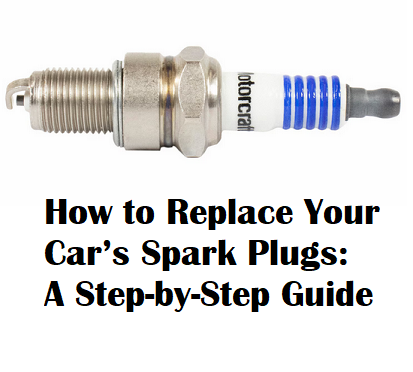
Credit: beachautomotive.com
Checking And Adjusting Gap
Checking and adjusting the gap of spark plugs is a crucial step before tightening them. The gap affects how well the spark ignites the fuel-air mixture in the engine. A correct gap ensures the engine runs smoothly and efficiently. Too wide or too narrow a gap can cause misfires, poor fuel economy, or hard starts. Use simple tools and careful measurement to get the gap right.
Measure The Gap
Use a spark plug gap tool or feeler gauge to measure the gap. Insert the tool between the center and ground electrodes. The tool should slide in with slight resistance. If it is too tight or loose, the gap needs adjustment. Check the vehicle’s manual for the exact gap size. Measuring precisely helps maintain engine performance.
Adjusting The Gap
To widen the gap, gently bend the ground electrode away from the center electrode. Use the gap tool to measure as you adjust. To make the gap smaller, carefully tap the ground electrode against a hard surface. Avoid applying too much force to prevent damage. Repeat measurement and adjustment until the gap matches the recommended size.
Why Gap Matters
The spark plug gap controls the strength of the spark. A proper gap ensures complete combustion of fuel. This leads to better power, fuel efficiency, and lower emissions. A wrong gap causes weak sparks that misfire or fail to ignite fuel. Regularly checking the gap helps avoid engine problems and costly repairs.
Installing New Or Existing Spark Plugs
Installing new or existing spark plugs correctly is key to keeping your engine running smoothly. Whether you’re replacing old plugs or reinstalling the same ones after inspection, the process requires care to avoid damage and ensure optimal performance. Proper tightening helps maintain the spark plug’s seal and prevents issues like misfires or engine damage.
Hand Threading First
Start by threading the spark plug into the cylinder head by hand. This simple step helps you avoid cross-threading, which can ruin the threads and cost you a costly repair. If you feel resistance or the plug doesn’t turn easily, back it out and try again—forcing it could cause damage.
Hand threading also gives you better control and helps you feel when the spark plug seats properly. Don’t rush this step; a few extra seconds here can save you headaches later.
Using Torque Wrench
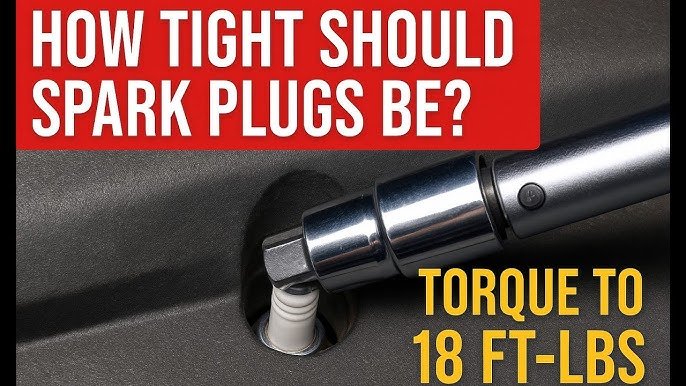
After hand threading, use a torque wrench to tighten the spark plug to the manufacturer’s recommended specification. This tool ensures you apply the exact amount of force needed—not too loose, not too tight.
Using the right torque prevents the spark plug from loosening over time and helps maintain a solid seal. If you don’t have a torque wrench, consider borrowing one or investing in an affordable model to protect your engine.
Avoid Over-tightening
It’s tempting to tighten spark plugs until they feel very snug, but over-tightening can strip threads or even crack the cylinder head. This is a mistake I made early on, and fixing it was expensive and time-consuming.
Remember, snug is good, but too tight is harmful. If you’re unsure, stop and double-check the torque specs or ask a professional.

Credit: www.ridgelineownersclub.com
Final Checks
After tightening the spark plugs, final checks ensure everything works smoothly. These steps confirm the spark plugs are secure and the engine runs well. Taking time for these checks prevents future problems and extends engine life.
Reattach Spark Plug Wires
Place each spark plug wire back on its correct plug. Make sure the connection is tight and secure. Loose wires cause misfires and poor engine performance. Check that wires are free from damage and not touching hot engine parts.
Test Engine Performance
Start the engine and listen carefully for smooth running. Watch for any unusual noises or rough idling. Accelerate gently and observe how the engine responds. Good performance means spark plugs are tightened correctly. If the engine hesitates, further adjustment may be needed.
Troubleshooting Common Issues
If the engine misfires or runs poorly, check spark plug connections again. Confirm the plugs are tightened to the right torque. Look for damaged wires or dirty spark plugs. Replace any faulty parts to restore engine function. Sometimes cleaning the spark plugs helps improve performance.

Credit: www.youtube.com
Frequently Asked Questions
How Tight Should Spark Plugs Be?
Spark plugs should be tightened snugly but not overly tight. Use a torque wrench to apply the manufacturer’s specified torque for your vehicle. Over-tightening can damage threads or the spark plug, while under-tightening may cause poor engine performance or spark plug loosening.
What Tools Are Needed To Tighten Spark Plugs?
A spark plug socket, ratchet wrench, and torque wrench are essential tools. The socket fits the spark plug size, while the torque wrench ensures correct tightening. Additionally, an extension bar might be needed for hard-to-reach plugs.
Can I Tighten Spark Plugs Without A Torque Wrench?
It’s possible but not recommended. Tighten the spark plug until it’s snug, then give it a small additional turn. However, using a torque wrench guarantees the correct tightness, preventing damage or loosening.
Why Is Proper Spark Plug Tightening Important?
Proper tightening ensures optimal engine performance and prevents damage. Loose spark plugs cause misfires and poor fuel efficiency. Over-tightening can strip threads or crack the spark plug, leading to costly repairs.
Conclusion
Tightening spark plugs helps keep your engine running well. Check the torque settings carefully for best results. Use the right tools to avoid damage. Regular maintenance saves time and money later. Remember, loose plugs can cause engine problems. Tight plugs improve fuel efficiency and performance.
Keep your spark plugs clean and tight for smooth rides. Simple steps make a big difference in car care. Stay safe by working slowly and following instructions. Your engine will thank you with better power and less trouble.





