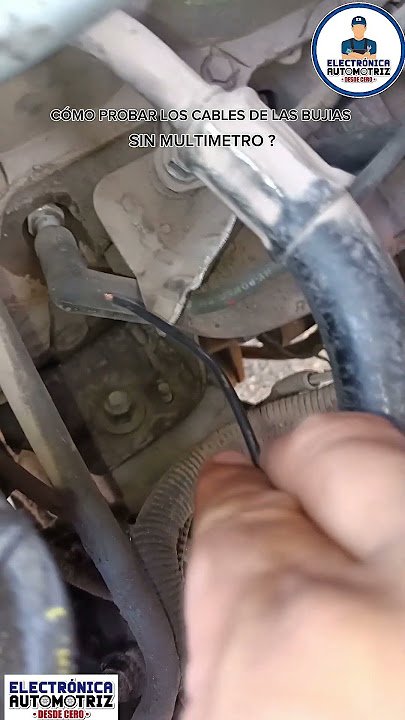
Are you worried about the performance of your vehicle but don’t have a multimeter handy? Testing spark plug wires without one might sound like a challenge, but it’s actually simpler than you think.
By learning a few easy techniques, you can ensure your engine runs smoothly and efficiently. Imagine the confidence of knowing your car is in top shape, without spending a dime on fancy equipment. You don’t have to be a mechanic to get it right.
In this guide, we’ll walk you through straightforward methods that will have you feeling like a pro in no time. Ready to take charge of your car’s health? Let’s dive in!

Credit: www.youtube.com
Signs Of Faulty Spark Plug Wires
Faulty spark plug wires can cause your engine to misfire or run poorly. Recognizing the signs early helps avoid bigger car troubles. These wires carry electricity to ignite the fuel in the engine. When they fail, the engine may lose power or stall unexpectedly.
Knowing the signs of bad spark plug wires lets you check them without special tools. Simple observations can reveal if the wires need replacement or repair.
Common Symptoms
- Engine misfires or runs rough during acceleration
- Car hesitates or stalls when you press the gas
- Reduced fuel efficiency and poor engine performance
- Check engine light turns on without other clear reasons
- Difficulty starting the engine, especially in cold weather
- Unusual noises like popping or coughing from the engine
Visual Inspection Tips
- Look for cracks, splits, or burns along the wire insulation
- Check for corrosion or buildup on wire connectors
- Wires that feel soft, brittle, or sticky need attention
- Inspect for exposed wire strands or melted sections
- Make sure wires are firmly connected at both ends
- Wires touching hot engine parts may show heat damage

Credit: www.youtube.com
Tools Needed For Testing
Testing spark plug wires without a multimeter requires a few simple tools. These tools help check the wires’ condition safely and effectively. Most of these items are easy to find around the house. Using the right tools improves accuracy and protects you during the process.
Household Items
- A flashlight to inspect wires closely and find cracks or damage.
- A screwdriver or small pry tool to gently move wires and connectors.
- A piece of paper or tissue to check for sparks in a dark area.
- Rubber gloves to handle wires without direct skin contact.
- A small mirror to see hard-to-reach spots on the engine.
Safety Gear
- Insulated gloves to protect from electric shocks.
- Safety glasses to shield eyes from sparks or debris.
- Non-conductive footwear to reduce the risk of electric shock.
- Long sleeves to protect skin from accidental burns or cuts.
- A well-ventilated space to avoid inhaling fumes while working.
Testing Spark Plug Wires By Touch
Testing spark plug wires by touch is a quick way to check their condition without tools. Your hands can feel problems like cracks, stiffness, or breaks. This simple check helps spot wires that may cause engine issues. It takes only a few minutes and requires no technical skill.
Checking For Damage
Run your fingers along each wire from end to end. Feel for any cracks, cuts, or worn spots. Small splits in the insulation can cause sparks to leak. Look for areas where the wire feels rough or thin. Damaged wires often cause engine misfires or poor performance.
Flexibility Test
Gently bend each wire in different places. Good spark plug wires stay flexible and return to shape. If a wire feels hard or brittle, it may be old or damaged. Wires that crack or break during bending should be replaced. Flexibility ensures wires can handle engine vibrations without failing.
Spark Test Method
The spark test method is a simple way to check spark plug wires without a multimeter. It shows if the wires carry electricity properly. This test helps find broken or weak wires that cause engine problems.
You only need a spark plug, a spark plug wire, and a safe workspace. This method works well for basic troubleshooting. It gives a clear sign if the wire can send a spark to the plug.
Setting Up The Test
First, turn off the engine and let it cool down. Remove the spark plug wire from the spark plug carefully. Attach the spark plug to the wire’s end. Hold the spark plug’s metal part close to the engine metal, but don’t touch it.
Wear gloves and use insulated tools for safety. Keep away from flammable liquids or gases. The engine must be grounded to avoid shocks or damage.
Observing The Spark
Ask someone to start the engine briefly while you watch the spark plug gap. Look for a strong, blue spark jumping across the gap. A bright spark means the wire works well.
If the spark is weak or missing, the wire may be damaged or faulty. Repeat the test with other wires for comparison. This visual test quickly shows which wires need replacement.
Using A Bulb Tester
Using a bulb tester is a simple way to check spark plug wires without a multimeter. This method helps find breaks or faults in the wires. It uses a small light bulb and a battery to test wire continuity. The bulb lights up if the wire is good and stays off if the wire is broken. This test is quick and does not need special tools.
Creating A Simple Tester
Gather a 12-volt battery, a small light bulb, and two wires with clips. Connect one wire from the battery’s positive terminal to one side of the bulb. Attach the other wire to the bulb’s other side and keep its clip free for testing. The battery’s negative terminal will connect to the spark plug wire end. This setup allows current to pass through the wire and light the bulb if the wire is intact.
Interpreting Results
Attach the free clip to one end of the spark plug wire. Connect the battery’s negative terminal to the other end of the wire. If the bulb lights up brightly, the wire is good. A dim or no light means the wire has damage or is broken. Test each wire separately. Replace wires that do not light the bulb properly. This method quickly shows which wires need attention.
Listening For Engine Misfires
Listening for engine misfires is a practical way to check spark plug wires without a multimeter. Misfires cause irregular engine sounds. These sounds can hint at faulty spark plug wires.
Engines usually run smoothly with a steady rhythm. Any sudden changes or skips in sound suggest a problem. Paying attention to these noises helps detect issues early.
Identifying Misfire Patterns
Misfires create distinct noises like popping, sputtering, or coughing. These sounds happen during acceleration or steady driving. A repeating pattern of these noises often points to one cylinder.
Listen closely for:
- Rhythmic skipping or stuttering in the engine sound
- Uneven running or shaking felt through the steering wheel
- Backfiring or popping noises from the exhaust
Noticing when the misfire happens helps narrow down the cause. For example, a misfire during acceleration may indicate spark plug wire issues.
Correlating With Wire Issues
Each spark plug wire connects to a specific cylinder. A misfire in one cylinder can point to its spark plug wire. Check wires for visible signs like cracks, burns, or corrosion.
Try gently wiggling each wire while the engine runs. If the engine stutters or sounds worse, that wire likely has a problem. Faulty wires fail to deliver a strong spark, causing misfires.
Replacing damaged spark plug wires often restores smooth engine performance. Listening carefully can save time and money before using tools like a multimeter.
When To Replace Spark Plug Wires
Knowing when to replace your spark plug wires can save you from unexpected engine problems and costly repairs. These wires play a critical role in delivering the electrical spark needed for your engine to run smoothly. Ignoring worn or damaged wires can lead to poor engine performance and decreased fuel efficiency.
Signs Replacement Is Needed
Look out for visible damage like cracks, burns, or corrosion on your spark plug wires. If your engine starts misfiring or hesitating during acceleration, the wires might be failing to deliver consistent sparks. You might also notice a drop in fuel economy or rough idling, which are clear indicators that replacement is due.
Have you ever experienced a sudden check engine light without any obvious cause? Faulty spark plug wires are often a hidden culprit. Testing wires without a multimeter can be tricky, but paying attention to these signs can guide you on when to act.
Choosing The Right Wires
Not all spark plug wires are created equal. Selecting the right wires depends on your vehicle’s make, model, and engine type. Using incorrect wires can lead to poor fitment and performance issues, so always check your owner’s manual or consult a trusted mechanic.
Consider wires made from high-quality materials like silicone or those with superior insulation for better durability. Some wires also come with resistance ratings tailored for specific engines—matching these specs ensures optimal spark delivery.
Have you thought about how investing in premium wires could extend your engine’s lifespan? Choosing wisely now can prevent frequent replacements and keep your engine running efficiently.

Credit: www.hondatwins.net
Frequently Asked Questions
How Can I Test Spark Plug Wires Without A Multimeter?
You can test spark plug wires by checking for visible damage and performing a spark test. Inspect for cracks or wear, then remove a wire and ground it to the engine. Crank the engine and look for a strong spark.
No spark means the wire may be faulty.
What Tools Do I Need To Test Spark Plug Wires Manually?
Besides a multimeter, you only need basic tools like gloves, a spark tester, or a metal ground. Visual inspection and a spark test can help identify wire issues without specialized tools. Always ensure safety by wearing gloves and working in a well-ventilated area.
Can A Spark Test Replace A Multimeter For Wire Testing?
Yes, a spark test can effectively indicate if spark plug wires are conducting electricity. It is a simple, direct method to check wire functionality. However, a multimeter provides more precise resistance readings, which help diagnose subtle wire damage.
How Often Should Spark Plug Wires Be Checked Without A Multimeter?
Check spark plug wires every 20,000 to 30,000 miles or during routine maintenance. Regular visual inspections and spark tests help detect issues early, preventing engine misfires and performance problems.
Conclusion
Testing spark plug wires without a multimeter is simple and effective. You only need basic tools and careful observation. Watch for cracks, burns, or loose connections on the wires. Use a spark tester or check for spark by carefully removing and inspecting each wire.
This quick check helps keep your engine running smoothly. Regular testing saves time and prevents bigger problems later. Stay safe and take your time with each step. Now, you can maintain your spark plug wires with confidence and ease.





