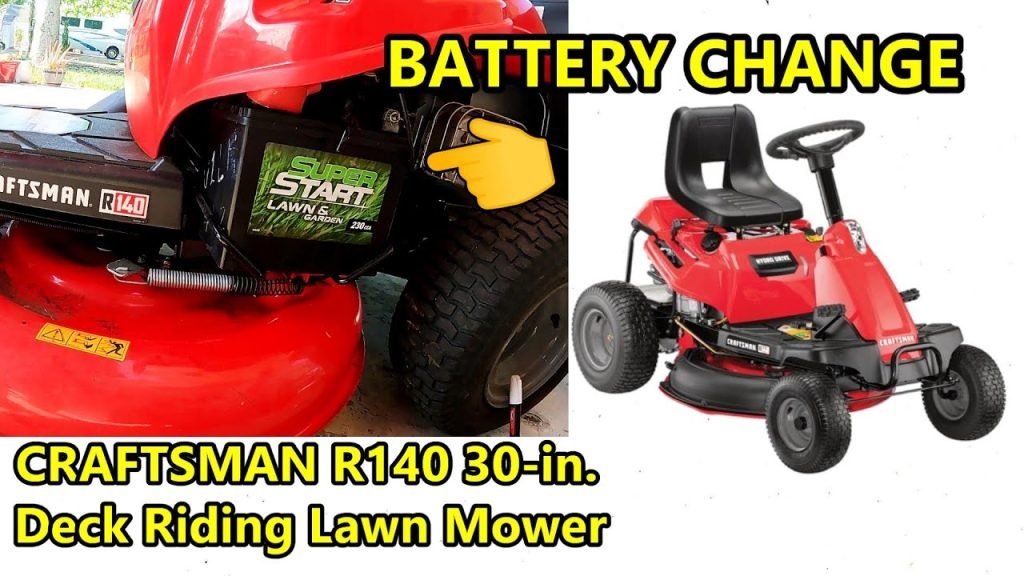
Is your mower acting up or refusing to start? The problem might be your mower battery.
Knowing how to test your mower battery can save you time, money, and frustration. In this guide, you’ll learn simple steps to check if your battery is working properly or if it needs a replacement. By the end, you’ll feel confident in diagnosing your mower’s power issues and getting back to your lawn care with ease.
Keep reading to discover easy tips that anyone can follow!
Tools Needed
A multimeterhelps measure the battery’s voltage. It shows if the battery is charged or dead. Choose a digital multimeter for easy reading.
Wear safety gearlike gloves and goggles. Batteries can leak acid, which is dangerous. Safety gear protects your skin and eyes.
A battery testerquickly checks the battery’s health. It gives a clear result without complicated steps. Battery testers are handy for fast checks.

Credit: www.tycorunenergy.com
Prepare The Mower
Make sure the mower is turned off. This is important for safety. Then, disconnect the spark plugwire to stop the engine from starting by accident.
Find the battery location. It is usually under the mower seat or a side panel. Check your owner’s manual if unsure.
Check Battery Voltage
Set the multimeter to the DC voltage setting. The display usually shows a “V” with a straight line. Connect the red probe to the battery’s positive terminal and the black probe to the negative terminal. Make sure the probes touch the metal parts of the terminals.
The multimeter will show a voltage reading. A fully charged mower battery usually reads about 12.6 volts or more. If the voltage is below 12.4 volts, the battery might need charging. Readings below 12 voltsindicate a weak or bad battery.
| Voltage Reading | Battery Condition |
|---|---|
| 12.6 V or higher | Fully charged |
| 12.4 V – 12.6 V | Partially charged |
| Below 12.4 V | Needs charging |
| Below 12 V | Weak or bad battery |

Credit: www.searshomeservices.com
Perform Load Test
A battery tester measures the voltage and condition of the mower battery. Connect the tester to the battery terminals as shown in the tester’s instructions. Ensure a secure connection for accurate readings.
Simulate start-up load by pressing the load test button on the tester. This mimics the power draw during engine start. Observe the voltage drop during this test to check battery strength.
| Voltage Reading | Battery Condition |
|---|---|
| 12.6 volts or higher | Battery is fully charged and healthy |
| 12.4 – 12.6 volts | Battery is moderately charged |
| Below 12.4 volts | Battery needs charging or replacement |
| Voltage drops quickly under load | Battery may be weak or faulty |
Inspect Battery Physically
Check the mower battery for cracks, leaks, or corrosion on terminals. Clean dirty connections to ensure proper contact. Damage or corrosion can affect battery performance and starting power.
Check For Corrosion
Look closely at the battery terminals. Corrosion looks like white or blue powder. It can stop the battery from working well. Use a small brush to gently clean it away.Look For Damage
Check the battery case for any cracks or leaks. A damaged battery might not work properly. If you see any liquid, handle with care. This can be dangerous.Clean Terminals
After checking for corrosion, clean the terminals. Use a cloth and some water. Make sure they are dry before connecting them again. Clean terminals help the battery work better. `Charge Or Replace Battery
Start by connecting the mower battery to a charger designed for lead-acid or lithium batteries. Use the correct voltage and amperage settings. Let the battery charge fully; this may take several hours. Check the charger’s indicator to know when charging is complete. Once charged, try starting the mower to see if the battery holds power.
| Signs to Replace Battery | Details |
|---|---|
| Battery won’t hold charge | Does not start mower after full charge |
| Visible damage | Cracks, leaks, or corrosion on battery case |
| Old age | Battery older than 3-4 years |
| Slow mower start | Mower starts weakly or takes longer than usual |
Preventive Maintenance Tips
Regular testingof the mower battery helps catch issues early. Check the voltage with a multimeter. A healthy battery should show around 12.6 volts or more. Test every few months during the mowing season. Keep the battery clean and dry to avoid damage. Dirt and moisture reduce battery life.
Proper storageextends battery life. Store the battery in a cool, dry place during winter. Remove the battery from the mower before storing. Avoid places with extreme heat or freezing temperatures. Keep terminals covered to prevent corrosion.
- Avoid overchargingthe battery. Use a charger with automatic shutoff.
- Overcharging causes battery overheating and damage.
- Charge only until full, then disconnect the charger.
- Follow manufacturer’s charging guidelines carefully.

Credit: www.redodopower.com
Frequently Asked Questions
How Do I Check A Mower Battery’s Charge?
To check a mower battery’s charge, use a digital multimeter. Set it to DC voltage, then connect the probes to the battery terminals. A fully charged battery reads about 12. 6 volts or higher. Below 12. 4 volts indicates a low charge needing recharging.
What Tools Are Needed To Test A Mower Battery?
You need a digital multimeter to test voltage accurately. Additionally, a battery hydrometer helps check electrolyte levels in lead-acid batteries. Safety gloves and goggles are recommended for protection when handling the battery. These tools ensure a safe and precise battery test.
How Often Should I Test My Mower Battery?
Test your mower battery at least once every 3 months. Regular testing prevents unexpected failures and extends battery life. Before the mowing season starts, check the battery to ensure optimal performance. Frequent testing helps identify issues early for timely maintenance.
Can A Weak Mower Battery Be Recharged?
Yes, a weak mower battery can often be recharged using a compatible battery charger. Ensure the charger matches the battery type and voltage. Slow charging is recommended to avoid damage. If the battery fails to hold a charge, replacement may be necessary.
Conclusion
Testing your mower battery helps avoid unexpected breakdowns. A simple test saves time and money. Regular checks keep your mower ready to work. Use basic tools like a multimeter for accuracy. Clean battery terminals improve performance and life. Remember, safety matters—always handle batteries carefully.
Keep your mower running smoothly with these easy steps. Stay prepared for every mowing task ahead.





