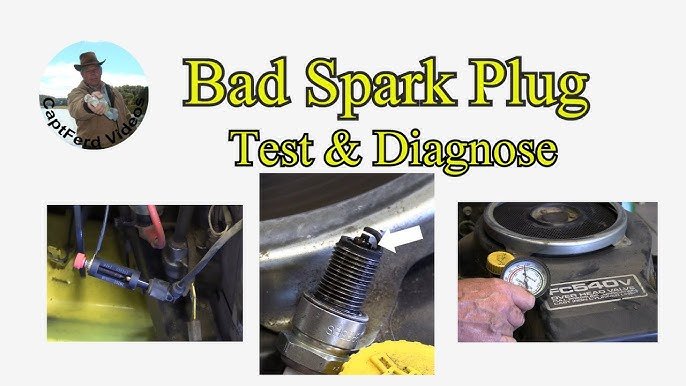
Have you ever found yourself pulling the starter cord on your lawn mower, only to be greeted with silence? It’s frustrating, isn’t it?
Before you rush out to buy a new mower or call in for repairs, the culprit might just be something as simple as a faulty spark plug. A spark plug is a small, yet critical, component of your lawn mower’s engine.
Without it, your mower won’t start. But don’t worry, testing a spark plug is easier than you think, and you can do it right at home. In this guide, we’ll walk you through the simple steps to test your lawn mower’s spark plug, saving you time, money, and the headache of unnecessary repairs. Stick around, because by the end of this article, you’ll have the confidence to tackle this small but crucial maintenance task yourself.

Credit: www.youtube.com
Tools Needed
Testing a lawn mower spark plug requires some basic tools. Having the right equipment makes the process easier and more accurate.
Prepare these tools before you start. It saves time and helps avoid mistakes.
Essential Equipment
- Spark plug socket wrench – fits the spark plug size
- Ratchet or wrench – to turn the socket
- Feeler gauge – measures the spark plug gap
- Multimeter or spark tester – checks spark plug function
- Wire brush or spark plug cleaner – removes dirt and deposits
- Replacement spark plug – in case the old one is faulty
Safety Gear
- Gloves – protect your hands from dirt and cuts
- Safety glasses – shield your eyes from debris
- Closed-toe shoes – prevent foot injuries
- Long sleeves – protect your arms from sparks and scrapes
Locate The Spark Plug
Locating the spark plug is the first step to test it properly. The spark plug is a small but vital part of your lawn mower’s engine. It creates the spark that starts the engine and keeps it running. Knowing where to find it helps you check if it is clean and working well.
Most lawn mower spark plugs sit on the engine’s side. They are easy to spot with a thick wire attached. Finding the spark plug quickly saves time and makes testing easier.
Finding The Plug On Your Mower
Look at the engine block, usually near the top or side. The spark plug sticks out and has a metal body with a white ceramic insulator. It often has a wire connected to its top. This wire is thick and rubbery. It runs from the plug to the ignition coil. Some mowers have a cover or shield. Remove it gently to see the spark plug clearly.
Removing The Spark Plug Wire
Before removing the spark plug wire, make sure the mower is off. Pull the wire boot, not the wire itself. Wiggle the boot gently to loosen it. Do not pull hard or you may damage the wire. Once the wire is off, the spark plug is ready for testing. Keep the wire safe to avoid damage or dirt getting inside.
Inspect The Spark Plug
Inspecting the spark plug is a crucial part of testing your lawn mower’s ignition system. The condition of the spark plug directly affects how well your mower starts and runs. Taking a close look at the spark plug can reveal problems before they become bigger issues.
Checking For Damage
Start by removing the spark plug from the lawn mower carefully. Look closely at the electrode and insulator for any visible cracks, chips, or worn-out areas. Even small cracks can cause poor performance or prevent the mower from starting.
Also, check if the electrode is eroded or rounded instead of sharp. This wear indicates the spark plug needs replacing. Have you noticed your mower running rough or stalling? Damaged spark plugs are often the cause.
Assessing Carbon Buildup
Carbon buildup appears as a dry, black, and sooty layer on the spark plug’s electrode and insulator. This can block the spark and reduce engine efficiency. Cleaning the spark plug with a wire brush or spark plug cleaner can often fix this issue.
If the carbon deposits return quickly, it might mean the engine is running too rich or there’s a problem with the air filter. Have you checked your mower’s fuel mixture or air intake lately? Regular maintenance can prevent excessive carbon buildup and extend your spark plug’s life.
Test Spark Plug Function
Testing your lawn mower’s spark plug function is crucial for keeping your mower running smoothly. A faulty spark plug can cause starting problems and poor engine performance. Knowing how to check it yourself saves time and money.
Using A Spark Tester
A spark tester is a simple tool designed to check if your spark plug is firing properly. Connect the tester to the spark plug wire and ground it to the engine. Then, pull the starter cord and watch for a bright blue spark inside the tester.
If the spark is weak or absent, your spark plug may need cleaning or replacement. This test gives you a clear visual confirmation, making it easier to diagnose ignition issues quickly. Have you ever tried fixing a mower only to find it was a simple spark plug problem?
Testing Without Specialized Tools
You can test the spark plug without a spark tester using just your hands and a bit of caution. First, remove the spark plug and reconnect it to the ignition wire. Hold the plug’s metal part against the engine’s metal surface to ground it.
Next, pull the starter cord and watch the spark gap on the plug. A strong spark means the plug is working. If you see no spark or it’s weak, the plug might be fouled or worn out. This method is handy if you don’t have access to a spark tester but want quick results.
Clean Or Replace The Spark Plug
Knowing when to clean or replace your lawn mower’s spark plug can save you time and money. A well-maintained spark plug ensures your mower runs smoothly and starts easily every time. Ignoring this simple task might leave you stuck with a mower that won’t fire up.
Cleaning Techniques
Start by removing the spark plug with a wrench. Use a wire brush or spark plug cleaner to gently scrub away dirt, carbon deposits, and oil. Avoid harsh scraping that can damage the electrode.
After brushing, dip the spark plug in a small container of spark plug cleaner or use carburetor cleaner spray to dissolve stubborn grime. Let it dry completely before reinstalling. Checking the gap between the electrodes with a feeler gauge ensures optimal performance; adjust if necessary.
If you’ve cleaned it properly, the plug should look almost new and free of heavy buildup. Have you noticed how a clean spark plug makes your mower start faster? It’s a small step with a big impact.
When To Replace
Even with regular cleaning, spark plugs don’t last forever. Replace the spark plug if the electrode is worn down, the ceramic insulator is cracked, or if corrosion covers the metal parts. These signs mean the plug can’t create a strong spark anymore.
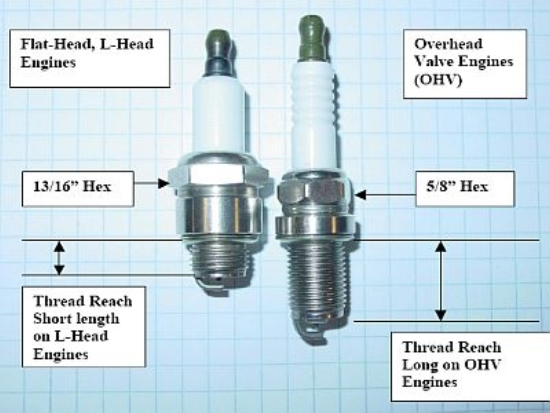
Also, if your mower struggles to start despite a clean plug, or runs rough during use, it might be time to swap it out. Using a spark plug designed specifically for your mower model is crucial for reliable performance.
Ask yourself: Is your spark plug showing visible damage or extreme wear? Don’t wait for complete failure. A fresh spark plug can make your mowing easier and prevent frustrating breakdowns.
.jpg)
Credit: www.vanguardpower.com
Reinstalling The Spark Plug
Reinstalling the spark plug is a crucial step after testing it. If done incorrectly, it can cause engine problems or damage the threads. Paying close attention to how you put it back ensures your lawn mower runs smoothly and lasts longer.
Proper Threading
Start by gently screwing the spark plug into the hole with your fingers. This helps you avoid cross-threading, which can strip the threads and ruin the cylinder head. If you feel resistance or it doesn’t spin easily, back it out and try again.
Once finger-tight, use a spark plug wrench to snug it down. Don’t over-tighten; this can crack the ceramic insulator or damage the threads. A good rule of thumb is to turn it about a quarter to half a turn after finger-tightening.
Reconnecting The Wire
After the spark plug is securely in place, reconnect the spark plug wire. Pull the boot, not the wire itself, to avoid damaging the internal connection. Push the boot firmly onto the plug until you feel it snap or click into place.
Have you ever had your mower stall because the spark plug wire wasn’t attached properly? A loose connection can cause misfires and prevent your mower from starting. Double-checking this simple step saves you from unnecessary frustration.
Final Check
After cleaning, inspecting, and testing your lawn mower’s spark plug, the final check is crucial to ensure everything runs smoothly. This step confirms that the spark plug is functioning properly and that your mower is ready for action. Skipping this phase could leave you puzzled about why your mower won’t start or runs poorly.
Starting The Mower
Insert the spark plug back into the engine carefully, making sure it’s tight but not overly tightened. Attach the spark plug wire securely to avoid any loose connections. Now, start the mower as you normally would.
Listen closely to the engine’s sound. A strong, steady roar means the spark plug is firing correctly. If the mower hesitates or won’t start, the spark plug may still be the issue, or another problem might be at play.
Troubleshooting Common Issues
If your mower struggles to start or runs unevenly, check the spark plug gap again. An incorrect gap can cause weak sparks or no spark at all. Use a feeler gauge to measure and adjust the gap to the manufacturer’s specifications.
Look for signs of fouling—black, oily deposits or a wet spark plug tip. This often indicates fuel or oil is contaminating the plug. Cleaning the plug or replacing it might be necessary.
Ask yourself: Have you recently changed the fuel or oil? Sometimes stale fuel or the wrong oil type can affect spark plug performance. Fixing these factors can save you from unnecessary spark plug replacements.
Credit: www.vanguardpower.com
Frequently Asked Questions
How Do I Check A Lawn Mower Spark Plug?
Remove the spark plug and inspect it for damage or dirt. Use a spark plug tester or a multimeter to check for continuity and proper gap.
What Tools Are Needed To Test A Spark Plug?
You’ll need a spark plug socket, a gap gauge, and a spark plug tester or a multimeter for accurate testing.
When Should I Replace My Lawn Mower Spark Plug?
Replace the spark plug if it’s dirty, cracked, or shows signs of wear. Regular replacement improves mower performance and fuel efficiency.
Can A Bad Spark Plug Cause Mower Starting Issues?
Yes, a faulty spark plug often causes starting problems. Testing and replacing it can restore smooth engine ignition.
Conclusion
Testing your lawn mower spark plug keeps your mower running well. A clean, working spark plug helps the engine start easily. Check for dirt, damage, or wear to avoid problems. Use simple tools and follow safe steps for testing. Regular checks save time and money on repairs.
Keep your mower ready for any cutting task. Small efforts bring big benefits to your lawn care. Stay consistent, and your mower will serve you longer.





