Your car’s spark plugs play a small but powerful role in keeping your engine running smoothly. If they’re worn out or damaged, you might notice your car struggling to start or running less efficiently.
But how do you know when it’s time to change them? Knowing the signs can save you from costly repairs and keep your ride performing at its best. You’ll learn exactly what to look for and when to take action—so you never miss the right moment to replace your spark plugs.
Keep reading to protect your engine and boost your car’s performance.

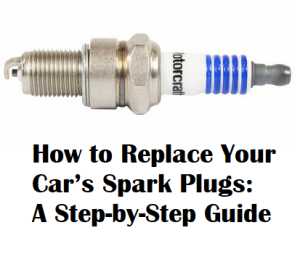
Credit: simonsautorepairtaunton.com
Spark Plug Basics
Understanding the basics of spark plugs is essential if you want to keep your engine running smoothly. These small components play a big role in your car’s overall performance and efficiency. Knowing what spark plugs do and the types available helps you recognize when they need replacing.
Role In Engine Performance
Spark plugs create the spark that ignites the air-fuel mixture inside your engine’s cylinders. This ignition powers the engine and keeps your vehicle moving.
Worn or dirty spark plugs can cause misfires, rough idling, and poor fuel economy. Have you noticed your car hesitating or losing power? It might be time to check the spark plugs.
Types Of Spark Plugs
There are several types of spark plugs, each designed for different engines and driving conditions. The main types include:
- Copper:Great for older vehicles but wear out faster.
- Platinum:Last longer and provide better performance than copper.
- Iridium:Known for durability and excellent ignition, ideal for modern engines.
Choosing the right type affects your engine’s efficiency and lifespan. Are you using the spark plugs recommended for your vehicle? Checking this can save you money and hassle down the road.
Common Spark Plug Issues
Spark plugs play a key role in your vehicle’s engine. They ignite the air-fuel mix to start combustion. Over time, spark plugs face wear and tear. This affects engine performance and fuel efficiency. Recognizing common spark plug issues helps you decide when to replace them. Here are some frequent problems to watch for.
Worn Electrodes
Electrodes wear down after long use. This causes a bigger gap between them. A large gap weakens the spark needed for ignition. Engines may misfire or run rough. Fuel consumption can increase. Check electrodes for rounded or eroded edges. Worn electrodes signal it’s time for new spark plugs.
Carbon Deposits
Carbon deposits form from incomplete fuel burning. They appear as black, dry soot on the plug tip. Deposits can block the spark or reduce its strength. This leads to poor engine starting and rough idling. Carbon buildup often means the air-fuel mix is too rich. Cleaning or replacing spark plugs can fix this issue.
Oil Fouling
Oil fouling happens when engine oil leaks into the combustion chamber. The spark plug tip becomes wet and oily. This stops the spark from firing properly. Oil fouled plugs cause misfires and rough running. Check for dark, shiny deposits on the plug. Oil fouling usually means an engine problem needs attention.
Signs Your Spark Plugs Need Changing
Knowing the signs that your spark plugs need changing can save you from unexpected car troubles and costly repairs. Spark plugs play a crucial role in your engine’s performance, and worn-out plugs can cause various issues that are easy to spot if you pay attention. Recognizing these symptoms early helps you maintain smooth driving and avoid breakdowns.
Engine Misfires
One clear sign of bad spark plugs is engine misfires. If you feel your car jerking or hesitating during acceleration, it could mean the spark plugs aren’t firing properly.
This happens because the spark plugs struggle to ignite the air-fuel mixture in the engine. Have you ever noticed a sudden loss of power while driving uphill? That’s often a warning that your plugs need replacement.
Poor Fuel Economy
Worn spark plugs can make your engine less efficient, leading to higher fuel consumption. When your car starts guzzling more fuel than usual, don’t just blame rising gas prices.
Bad plugs cause incomplete combustion, so your engine burns more fuel to produce the same power. Tracking your mileage and spotting a sudden drop can alert you early to this problem.
Difficulty Starting
Struggling to start your car? Your spark plugs might be the culprit. Old or fouled plugs make it harder for the engine to ignite, especially in cold weather.
You might notice your engine cranking longer than usual before it fires up. If starting your car feels like a challenge, it’s time to check those plugs.
Rough Idling
Does your engine shake or sound rough when idling? This could point to spark plug issues. Spark plugs that don’t work properly cause uneven combustion, leading to a shaky idle.
Pay attention to unusual vibrations or sounds when your car is stopped but running. Addressing rough idling early helps prevent bigger engine problems down the road.
How To Inspect Spark Plugs
Knowing how to inspect your spark plugs can save you time and money on unnecessary replacements. Regular checks help you spot issues early and maintain your engine’s smooth performance. Let’s dive into the key steps you need to follow to inspect spark plugs effectively.
Visual Inspection Steps
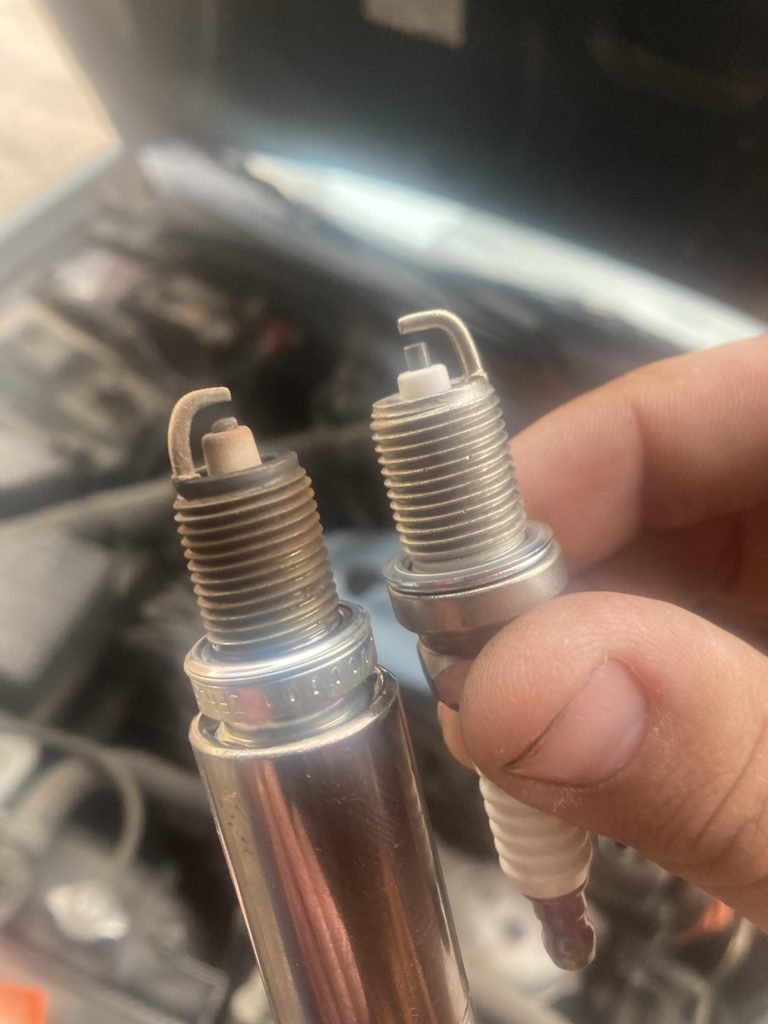
Start by removing the spark plug carefully with a spark plug socket. Look closely at the plug’s surface for signs of damage like cracks, chips, or heavy carbon buildup. A clean, light tan color on the plug usually means it’s in good condition.
Dark black soot or oily residue indicates your engine might be running too rich or leaking oil. If the plug appears glazed or burnt, it’s a sign of overheating. Spotting these early can help you avoid more serious engine problems.
Checking Electrode Wear
The electrode is the small metal tip where the spark jumps to ignite the fuel. Over time, this part wears down and affects your engine’s firing power. Check if the electrode is rounded or eroded—this means it’s time to replace the plug.
If the gap between the center and ground electrode widens due to wear, the spark becomes weaker. Uneven wear can also cause misfires or rough idling. Have you noticed a drop in your car’s performance? Worn electrodes might be the reason.
Measuring Spark Plug Gap
The spark plug gap is the distance between the center and ground electrodes, which affects the strength of the spark. Use a feeler gauge to measure this gap precisely; the correct size is usually specified in your vehicle’s manual.
If the gap is too wide, the spark may be weak or inconsistent. Too narrow, and the spark might be too small to ignite the fuel properly. Adjusting or replacing plugs with the right gap can improve fuel efficiency and engine smoothness.
When To Replace Spark Plugs
Knowing when to replace spark plugs helps keep your engine running smoothly. Worn spark plugs cause poor fuel efficiency and engine misfires. Regular checks can prevent costly repairs and improve driving comfort.
Manufacturer Recommendations
Car makers provide specific guidelines for spark plug replacement. These instructions appear in the owner’s manual. They vary by car model and engine type. Following these ensures optimal engine performance and longevity.
Mileage Guidelines
Spark plugs generally last between 30,000 to 100,000 miles. Copper plugs need replacement sooner, around 30,000 miles. Iridium and platinum plugs last longer, close to 100,000 miles. Check your car’s recommended mileage for accurate timing.
Performance-based Replacement
Changes in engine performance can signal worn spark plugs. Look for rough idling, trouble starting, or low power. Increased fuel consumption also indicates spark plug wear. Replacing plugs based on performance keeps your car efficient and reliable.
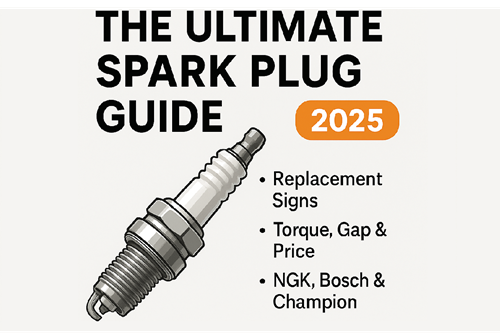
Credit: modernautoparts.co.za
Tips For Spark Plug Maintenance
Proper spark plug maintenance keeps your engine running smoothly and saves money. Simple care helps avoid engine misfires and poor fuel economy. Follow these tips to maintain spark plugs and know when to change them.
Regular Inspection Schedule
Check spark plugs every 30,000 miles or during routine vehicle service. Look for worn electrodes, deposits, or cracks on the plugs. Replace plugs showing heavy wear or damage to prevent engine issues.
Keep a log of inspections to track plug condition over time. Regular checks catch problems early and improve engine performance.
Proper Installation Techniques
Use the correct torque when installing spark plugs. Over-tightening can damage the plug or cylinder head. Under-tightening leads to poor engine compression.
Clean the spark plug threads before installation to ensure a secure fit. Apply anti-seize compound on threads only if the manufacturer recommends it.
Use a spark plug gap tool to set the correct gap. Proper gaps ensure efficient combustion and smooth engine operation.
Choosing The Right Spark Plugs
Select spark plugs made for your vehicle’s engine model. Check the owner’s manual or ask a mechanic for the correct type.
Consider plug materials like copper, platinum, or iridium. Iridium plugs last longer but cost more. Copper plugs are cheaper but wear out faster.
Choose plugs that match your driving style and conditions. Using the right plugs improves fuel efficiency and engine power.

Credit: www.reddit.com
Frequently Asked Questions
How Often Should Spark Plugs Be Changed?
Spark plugs typically last 30,000 to 100,000 miles. Check your vehicle’s manual for exact intervals. Replace them sooner if you notice performance issues or rough idling.
What Are Signs Of Worn Spark Plugs?
Common signs include engine misfires, poor fuel economy, difficulty starting, and rough idling. If your engine stutters or loses power, inspect the spark plugs promptly.
Can Bad Spark Plugs Damage The Engine?
Yes, faulty spark plugs can cause misfires and reduce engine efficiency. Prolonged use may harm the catalytic converter, leading to costly repairs.
How To Check Spark Plugs Condition?
Remove the spark plugs and look for deposits, wear, or corrosion. Clean or replace if they appear damaged, fouled, or have uneven electrode wear.
Conclusion
Changing spark plugs is crucial for your car’s health. Listen to your engine. Misfires or rough idling suggest a need for new plugs. Decreased fuel efficiency? Another sign of worn-out spark plugs. Check them regularly to avoid bigger issues. Ignoring these signs may lead to costly repairs.
Always follow your vehicle’s maintenance schedule. Regular care ensures smooth driving and longer engine life. Your car will thank you for it. Keep an ear out for trouble. A small fix now saves bigger headaches later. Stay proactive with your vehicle’s needs.
Simple steps keep your engine running strong.