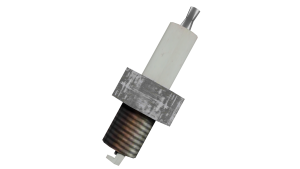
Are you wondering if your car’s spark plugs need replacing but aren’t sure what signs to look for? Your spark plugs play a key role in keeping your engine running smoothly.
When they start to wear out, your vehicle can lose power, stall, or even struggle to start. Knowing how to spot the warning signs early can save you time, money, and stress down the road. Keep reading to discover simple ways to tell if your spark plugs need a change—and how doing it at the right time can keep your car performing at its best.

Credit: www.reddit.com
Signs Of Worn Spark Plugs
Worn spark plugs affect engine performance and fuel efficiency. They cause several noticeable problems. Detecting these signs early helps avoid costly repairs. Below are common signs indicating spark plugs need replacement.
Engine Misfires
Engine misfires occur when spark plugs fail to ignite fuel properly. This causes jerking or hesitation while driving. Misfires reduce engine power and can damage other parts. Consistent misfires often mean spark plugs are worn out.
Poor Fuel Economy
Worn spark plugs cause incomplete fuel burning. This wastes fuel and lowers mileage. You might notice more visits to the gas station. If fuel economy drops suddenly, check the spark plugs first.
Difficulty Starting Engine
Old spark plugs make starting the engine harder. The engine may crank longer or fail to start quickly. This happens because sparks are weak or inconsistent. Replacing spark plugs usually solves starting issues.
Rough Idling
A rough idle means the engine shakes or vibrates when stopped. Worn spark plugs cause uneven combustion in cylinders. This creates noise and vibrations inside the car. Smooth idling returns after spark plug replacement.
Visual Inspection Tips
Visual inspection of spark plugs can save you time and money by identifying issues before they cause bigger problems. Taking a close look at your spark plugs gives you clues about your engine’s health and performance. Here are some practical tips to help you spot signs that your spark plugs need replacement.
Checking For Carbon Deposits
Look at the tip of the spark plug for dry, black soot. This carbon buildup usually means your engine is running too rich or the air filter is clogged. If the deposits are heavy, your spark plug won’t fire properly, causing misfires or rough idling.
Have you noticed your fuel economy dropping lately? Thick carbon deposits might be the culprit hiding in your spark plugs.
Inspecting Electrode Wear
The electrode is the small metal piece at the end of the spark plug. Over time, it can wear down, becoming rounded or eroded. This wear increases the distance the spark must jump, making ignition harder and reducing engine efficiency.
If your spark plug’s electrode looks noticeably worn or damaged, it’s time to replace it. Ignoring this can lead to harder starts and poor acceleration.
Looking For Oil Fouling
If the spark plug tip is coated with wet, oily deposits, it signals oil leaking into the combustion chamber. Oil fouling can cause the plug to misfire and reduce engine power. This often points to worn piston rings or valve seals.
Have you checked your spark plugs after seeing smoke from your exhaust? Oil fouling can be the key to diagnosing that problem early.
Assessing Spark Plug Gap
The gap between the center and ground electrode is crucial for proper ignition. Use a feeler gauge to measure this gap and compare it to your vehicle’s specifications. A gap that’s too wide or too narrow affects engine performance and fuel efficiency.
Adjusting the gap or replacing worn plugs with the correct gap can restore smooth engine operation. When was the last time you measured your spark plug gap?
Performance Symptoms To Watch
Noticing changes in your vehicle’s performance can be a clear sign that your spark plugs might need replacement. These symptoms often start small but can quickly affect your driving experience and fuel efficiency. Paying attention to these signs helps you catch problems early, saving you time and money on repairs down the road.
Reduced Acceleration
If your car feels sluggish or takes longer to speed up, worn spark plugs might be the cause. Your engine depends on spark plugs to ignite the fuel-air mixture efficiently. When they’re not firing correctly, your vehicle won’t respond as quickly when you press the gas pedal.
Think about the last time your car hesitated before accelerating. Did it feel like it was struggling to catch up? This hesitation can be a direct result of spark plugs losing their ability to create a strong spark.
Engine Surging
Have you ever experienced your engine suddenly speeding up and slowing down while driving steadily? This irregular behavior, known as engine surging, can indicate that your spark plugs are misfiring. Misfires disrupt the smooth flow of power, causing the engine to behave unpredictably.
Pay attention if this happens especially during idle or low speeds. It could be a sign that one or more spark plugs are not firing properly, affecting your engine’s balance and performance.
Increased Emissions
Higher emissions can result from incomplete fuel combustion, often caused by faulty spark plugs. If you notice your check engine light turning on or your car failing an emissions test, don’t overlook the spark plugs as a potential culprit.
Bad spark plugs can leave unburned fuel in the exhaust, increasing pollutants. Keeping your spark plugs in good condition helps your engine run cleaner and reduces harmful emissions.

Credit: www.reddit.com
When To Replace Spark Plugs
Knowing when to replace spark plugs is key to keeping your engine running smoothly. Spark plugs wear out over time and affect engine performance. Changing them at the right time helps prevent engine misfires, rough idling, and poor fuel efficiency.
Timing your spark plug replacement can save money and avoid bigger car problems. Some signs and guidelines help decide the right moment to replace spark plugs.
Manufacturer’s Recommended Interval
Car makers provide a schedule for spark plug changes in the owner’s manual. This interval varies by vehicle type and spark plug design. Usually, it ranges from 30,000 to 100,000 miles.
Following this schedule ensures spark plugs work efficiently. Ignoring it might lead to engine trouble or lower gas mileage.
After Repair Or Tune-up
Changing spark plugs is common during engine repairs or tune-ups. Mechanics replace them to restore engine power and smooth running. New spark plugs help the engine start easily and burn fuel better.
Even if spark plugs look fine, replacing them during a tune-up is a good practice. It keeps the engine in top shape and avoids future issues.
Following Persistent Issues
Persistent engine problems may mean old spark plugs need replacement. Symptoms include difficulty starting, engine misfires, or poor fuel economy. Rough idling and hesitation during acceleration also signal worn plugs.
Replacing spark plugs can fix these issues quickly. It is a simple step that often improves engine performance and reliability.
Tools For Testing Spark Plugs
Testing spark plugs is essential for maintaining your vehicle’s performance. Using the right tools helps identify worn or faulty plugs quickly. These tools provide clear results that guide replacement decisions.
Some tools check electrical function, while others focus on physical condition. Combining different tools gives the best overall spark plug assessment.
Spark Plug Tester
A spark plug tester shows if a plug produces a strong spark. It connects between the spark plug and ignition wire. When the engine cranks, watch for a bright blue spark inside the tester.
A weak or no spark means the plug may be faulty. This tool is easy to use and gives instant feedback. It helps avoid guesswork before replacing plugs.
Multimeter Use
A multimeter measures spark plug resistance and continuity. Set it to the ohms (Ω) scale for testing. Touch the probes to the terminal and metal body of the plug.
High resistance values indicate a worn or damaged spark plug. Low or zero resistance usually means good condition. This tool offers precise electrical data for spark plug health.
Visual Inspection Tools
Visual checks reveal physical damage or fouling on spark plugs. Use a flashlight to see the electrode and insulator clearly. A magnifying glass helps find cracks or heavy deposits.
Signs like black soot, oily residue, or erosion mean the plug needs replacement. Visual tools are simple but powerful for early spark plug diagnosis.
Credit: modernautoparts.co.za
Frequently Asked Questions
How Often Should Spark Plugs Be Replaced?
Spark plugs generally need replacement every 30,000 to 100,000 miles. Check your vehicle’s manual for specific intervals. Regular inspection helps maintain engine performance and fuel efficiency.
What Are Common Signs Of Bad Spark Plugs?
Signs include rough idling, engine misfires, poor acceleration, and reduced fuel economy. These symptoms indicate your spark plugs may be worn or fouled.
Can Dirty Spark Plugs Cause Engine Problems?
Yes, dirty or fouled spark plugs can cause misfires and poor engine performance. Cleaning or replacing them restores proper ignition and smooth engine operation.
How To Visually Inspect Spark Plugs For Wear?
Remove the spark plug and check for carbon buildup, oil deposits, or worn electrodes. These signs mean the spark plug needs cleaning or replacement.
Conclusion
Recognizing worn-out spark plugs ensures smooth engine performance. Listen for engine misfires. Notice poor fuel economy or slow acceleration. These symptoms indicate a need for replacement. Regular checks help maintain your vehicle’s health. Ignoring signs can lead to costly repairs.
Always consult your car’s manual for guidance. Spark plugs play a vital role in engine efficiency. Keeping them in check boosts your car’s longevity. Stay proactive with maintenance to avoid bigger issues. A small effort today can save time and money later.
Remember, a well-maintained car is a happy car. Keep your ride smooth and reliable.