Have you noticed your car acting a little off lately? Maybe it’s struggling to start, or you hear a strange sputtering sound when you hit the gas.
These could be signs that your spark plug is bad. But how can you be sure? Knowing how to tell if a spark plug is failing can save you from costly repairs and keep your vehicle running smoothly. You’ll discover simple ways to spot the warning signs early and what steps to take next.
Keep reading—you’ll gain the confidence to check your spark plugs like a pro.
Common Spark Plug Issues
Understanding common spark plug issues can save you time and money on car repairs. Spark plugs are small but vital components that ignite the air-fuel mixture in your engine. When they go bad, your vehicle’s performance drops noticeably, and ignoring the signs can lead to bigger problems.
Worn ElectrodesWorn electrodes cause weak sparks or no spark at all. Over time, the gap between the electrodes widens due to wear, making it harder for the spark to jump across. If you notice rough idling or difficulty starting your engine, worn electrodes might be the culprit.
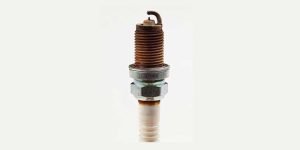
Carbon FoulingCarbon fouling happens when black, dry soot covers the spark plug’s tip. It usually results from running a rich fuel mixture or frequent short trips that don’t let the engine reach optimal temperature. You might feel sluggish acceleration or poor fuel economy if carbon fouling is present.
Oil FoulingOil fouling appears as wet, oily deposits on the spark plug. This often signals an oil leak into the combustion chamber, which can be due to worn piston rings or valve seals. If your spark plugs look oily, your engine might be burning oil, leading to smoke and increased emissions.
OverheatingOverheating can cause the spark plug’s insulator to crack or glaze. This condition usually results from incorrect spark plug heat range or engine issues like a lean fuel mixture. You may notice engine knocking or a loss of power when overheating affects your plugs.
Incorrect Spark Plug GapThe gap between the center and ground electrode affects the spark’s strength. If the gap is too wide or too narrow, your engine may misfire or hesitate. Checking and adjusting the gap according to your vehicle’s specifications can improve performance significantly.

Credit: www.reddit.com
Engine Misfires
Engine misfires can be a clear sign that your spark plugs might be failing. When your engine misfires, it means that one or more cylinders are not firing correctly, causing your vehicle to lose power and run unevenly. This issue doesn’t just affect performance—it can also lead to more serious engine problems if ignored.
What Does An Engine Misfire Feel Like?
You might notice a sudden jerk or hesitation while driving, especially during acceleration. The engine could sound rough or like it’s stumbling. Sometimes, the check engine light will turn on, but you don’t have to wait for that to act.
Common Causes Of Engine Misfires Related To Spark Plugs
- Worn or fouled spark plugs that can’t create a strong enough spark.
- Incorrect spark plug gap causing weak ignition.
- Cracked or damaged spark plugs disrupting combustion.
These issues prevent the air-fuel mixture from igniting properly, leading to misfires.
How To Diagnose If Your Spark Plug Is The Culprit
Start by checking the spark plugs physically. Look for signs like black soot, oil deposits, or cracks on the ceramic insulator. If you feel comfortable, use a spark plug tester to see if it produces a strong spark.
Why Ignoring Engine Misfires Can Be Costly
Ignoring misfires can cause damage to the catalytic converter over time, leading to expensive repairs. Your fuel efficiency also drops, meaning you spend more money at the pump. Taking care of spark plugs early keeps your engine running smoothly and saves money in the long run.
Have you noticed your engine hesitating or feeling rough lately? It might be time to check your spark plugs before the problem worsens.
Poor Fuel Economy
Poor fuel economy is one of the first signs of a bad spark plug. When spark plugs fail, they do not ignite the fuel properly. This causes the engine to use more fuel than usual. You might notice your car needs gas more often.
Bad spark plugs lead to incomplete combustion. This means fuel burns unevenly or not at all in some cylinders. The engine struggles to perform well, wasting fuel and reducing mileage.
Poor Combustion Causes Fuel Waste
A bad spark plug creates weak or no sparks. The fuel-air mix in the cylinder cannot ignite fully. This causes fuel to burn inefficiently, leading to more fuel consumption.
Engine Misfires And Fuel Economy
Misfires happen when spark plugs fail to ignite the fuel. This interrupts the engine’s normal rhythm. Misfires lower power and waste fuel, cutting down your miles per gallon.
Signs Of Decreased Fuel Efficiency
- More frequent trips to the gas station
- Noticeable drop in miles per gallon
- Engine running rough or idling poorly
- Unusual exhaust smoke
Checking Fuel Economy To Diagnose Spark Plug Issues
Track your fuel consumption over time. Sudden drops in efficiency often point to spark plug problems. Combine this with other symptoms for a clearer diagnosis.
Difficulty Starting Engine
Struggling to start your engine can be frustrating, especially when you’re in a hurry. One common reason behind this difficulty is a bad spark plug. Without a strong spark, your engine won’t ignite the fuel-air mixture properly, making it hard to get your vehicle running.
Signs That Difficulty Starting Could Be Due To Spark Plugs
When you turn the key and the engine cranks but doesn’t start easily, pay attention. If the engine sounds sluggish or requires multiple attempts before firing up, your spark plugs might be the culprit. Worn or fouled spark plugs fail to deliver the necessary spark, causing this delay.
How Old Spark Plugs Affect Engine Start-up
Over time, spark plugs wear down or get covered in deposits, which weakens their spark. This weak spark means the engine’s combustion process struggles, leading to longer start times. If your vehicle has high mileage and you haven’t replaced the plugs recently, this could explain your starting woes.
Testing Spark Plugs To Confirm The Issue
You can test spark plugs without expensive tools. Remove one spark plug and check its tip:
- Look for signs of wear, like rounded electrodes.
- Check for heavy carbon buildup or oil fouling.
- Inspect for cracks or damage to the ceramic insulator.
If the plug looks damaged or dirty, it’s time for a replacement. A simple spark plug tester can also confirm if the plug sparks correctly.
Why Fixing Spark Plugs Improves Starting Performance
Replacing bad spark plugs often restores quick, smooth starts. New plugs create a strong spark that ignites fuel efficiently. This reduces the strain on your battery and starter motor, which you’ll notice every time you turn the key.
Have you experienced sudden difficulty starting your engine? Checking your spark plugs might save you a costly trip to the mechanic and get you back on the road faster than you think.
Rough Idling
Rough idling is one of the most noticeable signs that your spark plug might be failing. When your engine struggles to maintain a steady idle, it’s often because the spark plug isn’t firing correctly. This irregular firing causes the engine to shake, stutter, or even hesitate, making the ride less smooth and more frustrating.
How Rough Idling Feels
You might feel your car vibrating more than usual when it’s just sitting still. The engine might sound uneven or like it’s struggling to keep running. This isn’t just annoying—it’s a clear signal that something is off under the hood.
Why A Bad Spark Plug Causes Rough Idling
Your spark plug’s job is to ignite the air-fuel mixture inside the engine cylinders. If it’s worn out or fouled, the spark can become weak or inconsistent. This leads to incomplete combustion, which makes the engine run rough and can cause those shaking sensations.
Other Symptoms To Watch Alongside Rough Idling
- Difficulty starting the engine
- Reduced fuel efficiency
- Engine misfires or hesitation during acceleration
- Check engine light turning on
If you notice rough idling paired with any of these, your spark plugs should be checked immediately.
Simple Checks You Can Do Yourself
Listen closely to your engine’s sound when idling. Is it uneven or choppy? Next, try gently revving the engine and see if the roughness smooths out or gets worse. These quick observations can help you decide if a spark plug issue is likely.
When To See A Mechanic
If rough idling persists after you’ve checked basic things like fuel and air filters, it’s time to get a professional opinion. A mechanic can test spark plug performance and recommend replacements if needed. Remember, ignoring rough idling can lead to bigger engine problems down the road.

Credit: www.toyotanation.com
Loss Of Acceleration
Noticing a loss of acceleration can be frustrating, especially when you expect your vehicle to respond quickly. This issue often signals that something is wrong under the hood, and one common culprit is a bad spark plug. Understanding how a failing spark plug affects your car’s acceleration helps you catch problems early and avoid costly repairs.
How A Bad Spark Plug Affects Acceleration
Your spark plugs ignite the fuel-air mixture in the engine. When a spark plug wears out or gets fouled, it can’t produce a strong spark. This weak spark causes incomplete combustion, which directly reduces engine power and slows acceleration.
Signs Of Acceleration Problems Linked To Spark Plugs
- Your car hesitates or stumbles when you press the gas pedal.
- Acceleration feels sluggish, and the engine struggles to pick up speed.
- You notice unusual engine misfires or rough idling during acceleration.
Have you ever felt your car lag just when you need a quick burst of speed? That hesitation is a clear sign your spark plugs might be struggling.
Testing For Acceleration Issues Due To Spark Plugs
Try this simple test: on a safe, open road, accelerate smoothly and note any delays or jerking motions. If your vehicle doesn’t respond promptly, it’s time to inspect the spark plugs. Checking their condition can reveal if they’re covered in deposits or have damaged electrodes.
Why Addressing Spark Plug Problems Early Matters
Ignoring acceleration loss can lead to worse engine damage and reduced fuel efficiency. Replacing bad spark plugs restores smooth acceleration and improves overall engine performance. You save money and avoid the stress of unexpected breakdowns.
Check Engine Light Activation
The check engine light on your dashboard is an important signal. It often turns on when the car detects a problem. A bad spark plug can trigger this warning. The light helps you know that something is wrong with the engine’s ignition system.
Ignoring this light can lead to bigger issues. It may cause poor fuel economy, rough idling, or even engine misfires. Understanding why the check engine light activates can save time and money on repairs.
Reasons For Check Engine Light Activation
- Faulty spark plugs causing misfires
- Worn ignition coils affecting spark delivery
- Loose or damaged spark plug wires
- Engine sensors detecting irregular combustion
How To Diagnose Spark Plug Issues Using The Check Engine Light
Use an OBD-II scanner to read error codes. Codes like P0300 indicate random misfires. Codes such as P0301 to P0308 point to specific cylinder misfires. These codes often relate to spark plug problems.
After reading the codes, inspect the spark plugs. Look for signs of wear, carbon buildup, or damage. Replace any faulty spark plugs to reset the system and turn off the check engine light.
When To Visit A Mechanic
- Light stays on after replacing spark plugs
- Engine runs rough with persistent misfires
- Multiple error codes appear on the scanner
- Uncertainty about proper spark plug installation
Credit: www.dodgedurango.net
Visual Inspection Signs
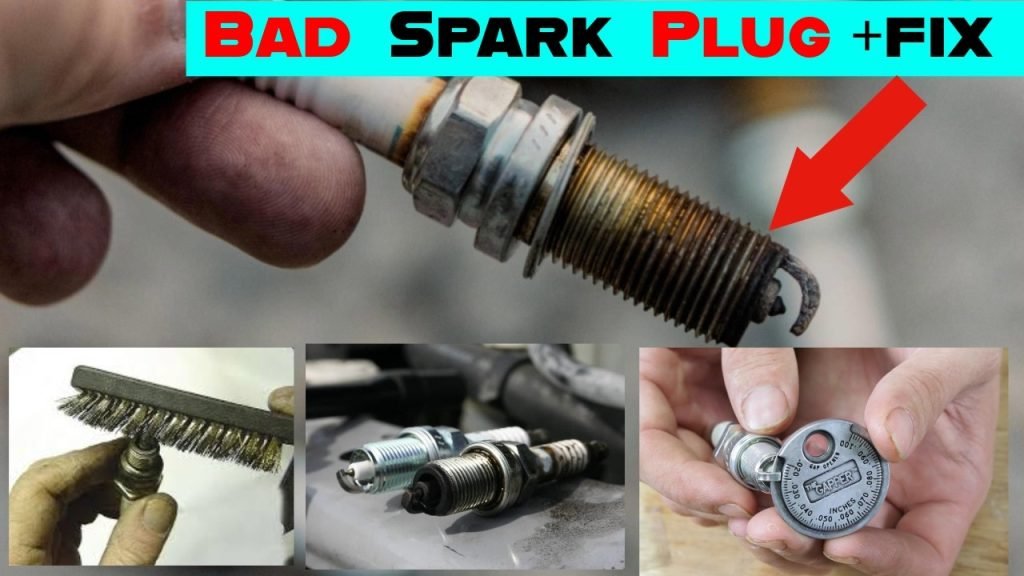
Checking your spark plug visually can reveal a lot about its health and how your engine is performing. A quick glance might save you from unnecessary replacements or help you catch issues early. Let’s look at some clear signs you can spot yourself that tell if your spark plug is bad.
Carbon Deposits
Thick, black soot on the spark plug tip is a strong indicator of carbon deposits. This buildup usually happens when the engine runs too rich, meaning there’s too much fuel and not enough air in the mix.
If you see dry, powdery black deposits, it often means incomplete combustion. This can cause misfires and poor fuel economy. Have you noticed your car hesitating or stalling? Carbon deposits might be the culprit.
Worn Electrodes
Electrodes are the metal parts that create the spark inside your engine. Over time, they wear down and become rounded or thinner.
When the electrode gap widens beyond the recommended size, your spark weakens. This leads to rough idling and difficulty starting your engine. Take a close look and ask yourself if the electrode edges look sharp or worn out.
Oil Fouling
Oil fouling appears as wet, oily residue on the spark plug. This often means oil is leaking into the combustion chamber, which shouldn’t happen under normal conditions.
Oil-covered plugs cause misfires and poor engine performance. If you notice this, it’s a sign to check your valve seals or piston rings. Have you checked your plugs for oily spots during your last tune-up?
Frequently Asked Questions
How Do I Know If My Spark Plug Is Bad?
A bad spark plug causes engine misfires, rough idling, and poor fuel efficiency. Check for worn electrodes or deposits. If your car struggles to start or has reduced power, inspect the spark plugs for damage or fouling.
What Are Common Signs Of Spark Plug Failure?
Common signs include engine misfires, decreased acceleration, rough idling, and higher fuel consumption. You may also hear knocking sounds. These symptoms suggest the spark plugs are not igniting the fuel properly, impacting engine performance.
Can A Bad Spark Plug Cause Engine Misfire?
Yes, faulty spark plugs often cause engine misfires. When plugs fail, the air-fuel mixture doesn’t ignite correctly. This leads to uneven engine running, loss of power, and increased emissions. Replacing bad plugs usually resolves misfire issues.
How Often Should Spark Plugs Be Replaced?
Most spark plugs should be replaced every 30,000 to 100,000 miles, depending on type and manufacturer. Consult your vehicle’s manual for recommended intervals. Regular replacement ensures optimal engine performance and fuel efficiency.
Conclusion
Bad spark plugs can cause engine problems. Recognize the signs early. Poor fuel economy and starting issues indicate trouble. Check for misfires or rough idling. Replacing spark plugs improves performance. Regular maintenance prevents costly repairs. Remember, timely action saves money.
Keep your vehicle running smoothly. Ensure a safe and efficient drive. Always consult your vehicle’s manual. Following guidelines helps maintain your car’s health. Stay informed and proactive. Understanding spark plug issues is crucial. Your vehicle deserves the best care. Drive confidently with well-maintained spark plugs.
Happy driving!