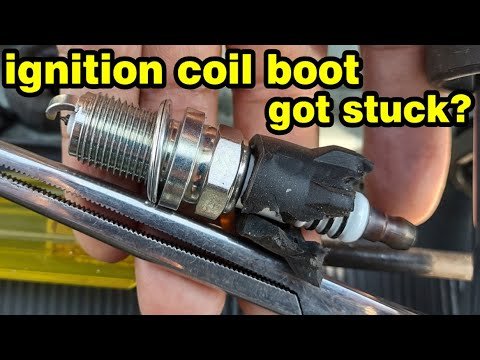
You’re in the middle of a routine car maintenance session when you suddenly hit a snag—a stuck spark plug. It’s frustrating, isn’t it?
You’re not alone. Many car owners face this stubborn issue, and it can be a real headache if you don’t know the right tricks to get it sorted. But don’t worry, because we’ve got your back. In this guide, you’ll discover simple, effective methods to safely remove a stuck spark plug without causing damage to your vehicle.
Imagine the relief and satisfaction of knowing you can tackle this problem like a pro. Curious to learn how? Keep reading, and you’ll soon be back on track with your car maintenance.

Credit: www.reddit.com
Signs Of A Stuck Spark Plug
Knowing the signs of a stuck spark plug helps prevent engine damage. Early detection saves time and money. Pay attention to unusual engine behavior and physical signs around the spark plug area.
Common Causes
- Corrosion from moisture or road salt
- Over-tightening during installation
- Carbon buildup on the plug threads
- Using the wrong spark plug size or type
- Engine overheating causing metal expansion
- Long periods without spark plug maintenance
Symptoms To Watch For
- Engine misfires or rough idling
- Difficulty starting the engine
- Reduced fuel efficiency
- Unusual noises near the spark plug area
- Visible damage or rust on the plug
- Plug feels stuck or resists removal
Tools Needed For Removal
Removing a stuck spark plug requires the right set of tools to avoid damage and frustration. Having the correct equipment not only makes the job easier but also protects your engine components. Let’s look at the tools you’ll need to get the job done efficiently.
Essential Hand Tools
- Spark Plug Socket:A deep socket designed specifically for spark plugs, usually with a rubber insert to grip the plug securely.
- Ratchet Wrench:Provides the leverage needed to turn the spark plug socket, especially when the plug is tightly stuck.
- Extension Bar:Helps reach spark plugs that are recessed deep within the engine.
- Breaker Bar:Useful if the spark plug is exceptionally tight or seized, offering extra torque without risking your wrist.
- Torque Wrench:Important for reinstalling the spark plug to the correct tightness, preventing over-tightening or under-tightening.
Every time I faced a stuck spark plug, not having a breaker bar made it nearly impossible to loosen the plug. Having this tool can save you hours of frustration and protect your wrench from bending or breaking.
Optional Accessories
- Penetrating Oil:A must-have to loosen rusted or corroded spark plugs before attempting removal.
- Impact Driver:Adds a twisting force combined with a hammering action, which can be a game-changer for stubborn plugs.
- Anti-Seize Compound:Helps prevent future sticking when you reinstall new spark plugs.
- Compressed Air:Useful for cleaning debris around the spark plug before removal, preventing dirt from falling into the cylinder.
Have you ever tried to force a spark plug out without any penetrating oil? It often leads to broken plugs or damaged threads. Adding these accessories to your toolbox can make the removal process smoother and safer for your engine parts.
Preparing The Area
Preparing the area before removing a stuck spark plug is essential. It helps avoid damage and makes the job easier. Taking time to prepare can save you frustration and extra costs. Start with a clean and safe workspace. Clear dirt and debris around the plug to prevent anything from falling inside the engine. Check that you have the right tools and protective gear nearby.
Safety Precautions
Wear safety glasses to protect your eyes from debris. Use gloves to avoid cuts and burns. Make sure the engine is cool to prevent burns. Disconnect the battery to avoid electrical shocks. Work in a well-ventilated area to avoid inhaling fumes. Keep a fire extinguisher close, just in case. Avoid loose clothing or jewelry that can get caught in parts.
Cleaning Around The Plug
Remove dirt and dust with a soft brush or compressed air. Use a small vacuum to clear loose debris near the plug. Avoid pushing dirt deeper into the cylinder head. Wipe the area with a clean cloth to remove oil and grease. Clean threads gently to prevent cross-threading. Clear the spark plug well thoroughly before loosening the plug.

Credit: www.odyclub.com
Techniques To Loosen The Plug
Removing a stuck spark plug can be frustrating. The metal can seize due to heat and corrosion. Using the right techniques helps avoid damage and saves time. Patience and care are key to loosening the plug safely.
Using Penetrating Oil
Spray penetrating oil around the base of the spark plug. Let it soak for at least 15 minutes. This oil seeps into tight spaces to break rust and corrosion bonds. Repeat spraying if needed for better results. Use a clean rag to wipe away excess oil before attempting removal.
Applying Heat
Heat expands metal, which can loosen the stuck spark plug. Use a heat gun or propane torch carefully on the area around the plug. Heat the metal evenly and avoid overheating. Allow the metal to cool slightly before trying to turn the spark plug. This method helps break the rust seal without damaging the engine parts.
Tapping And Turning
Gently tap the spark plug with a small hammer or the handle of a screwdriver. This action helps break corrosion and loosen the threads. After tapping, try turning the plug slowly with a spark plug socket. Use steady pressure and avoid sudden force. Repeat tapping and turning until the plug starts to move freely.
Removing The Stuck Spark Plug
Removing a stuck spark plug requires care and patience to avoid damage. Proper tools and techniques help loosen the plug safely. Prepare your workspace and gather necessary equipment before starting. Follow clear steps to prevent further complications.
Step-by-step Process
- Allow the engine to cool completely to avoid burns.
- Spray penetrating oil around the spark plug threads. Let it soak for 10-15 minutes.
- Use a spark plug socket with a ratchet wrench to grip the plug firmly.
- Turn the wrench slowly counterclockwise to loosen the plug. Avoid sudden force.
- If the plug does not budge, apply more penetrating oil and wait longer.
- Use a breaker bar for extra leverage if the ratchet wrench is not enough.
- Once loosened, remove the plug carefully by hand to avoid dropping it.
- Inspect the plug and threads for damage before installing a new one.
Dealing With Broken Or Stripped Plugs
Broken or stripped plugs need extra attention to avoid thread damage. Use specialized tools designed for extracting broken plugs.
- Try a plug extractor tool designed to grip broken pieces.
- Apply penetrating oil to loosen any rust or corrosion.
- Use gentle tapping with a hammer to help the extractor grip the plug.
- Turn the extractor counterclockwise slowly to remove the broken piece.
- If threads are damaged, consider using a thread repair kit before installing a new plug.
- Seek professional help if extraction seems too difficult or risky.
Preventing Future Stuck Plugs
Preventing future stuck spark plugs saves you time, money, and frustration. It all starts with how you install them and how often you maintain your engine. Small habits can make a big difference in avoiding this common problem.
Proper Installation Tips
Always clean the spark plug threads before installation. Dirt and debris create resistance, making plugs harder to remove later.
Apply a small amount of anti-seize compound on the spark plug threads. This simple step prevents the threads from bonding with the cylinder head.
Hand-tighten the plug first to avoid cross-threading. Then use a torque wrench to tighten it to the manufacturer’s recommended specification. Over-tightening can damage threads and cause plugs to stick.
Regular Maintenance Practices
Check your spark plugs regularly, even if your engine runs fine. This helps spot early signs of corrosion or wear that might cause them to seize.
Replacing spark plugs at recommended intervals prevents buildup that leads to sticking. Keep a maintenance log to remind yourself when it’s time.
How often do you inspect your plugs? Making this a habit can save you from stuck plugs during critical moments.

Credit: m.youtube.com
Frequently Asked Questions
How Do I Loosen A Stuck Spark Plug Safely?
Use a penetrating oil and let it sit for 15-20 minutes. Then, gently tap the plug with a rubber mallet to break the rust. Use a proper spark plug socket and apply steady, controlled force to avoid damage.
What Tools Are Needed To Remove A Stuck Spark Plug?
You will need a spark plug socket, ratchet wrench, penetrating oil, and a rubber mallet. Optionally, use a breaker bar for extra leverage. These tools help loosen rust and prevent breaking the spark plug.
Can Heat Help Remove A Stuck Spark Plug?
Yes, applying heat can expand the metal and loosen the spark plug. Use a heat gun or propane torch carefully around the spark plug area. Avoid overheating to prevent engine damage.
What Should I Avoid When Removing A Stuck Spark Plug?
Avoid using excessive force or incorrect tools to prevent breaking the plug or damaging threads. Do not rush the process; patience is key. Avoid using an impact wrench, which can cause damage.
Conclusion
Removing a stuck spark plug takes patience and the right tools. Start by applying a lubricant and gently turning the plug. Avoid using too much force to prevent damage. Take breaks if the plug doesn’t move at first. Using the correct socket and extension helps a lot.
Clean the area before reinstalling a new spark plug. This simple care keeps your engine running smoothly. Small steps can save you time and money. Keep calm, work carefully, and you’ll get it done.





