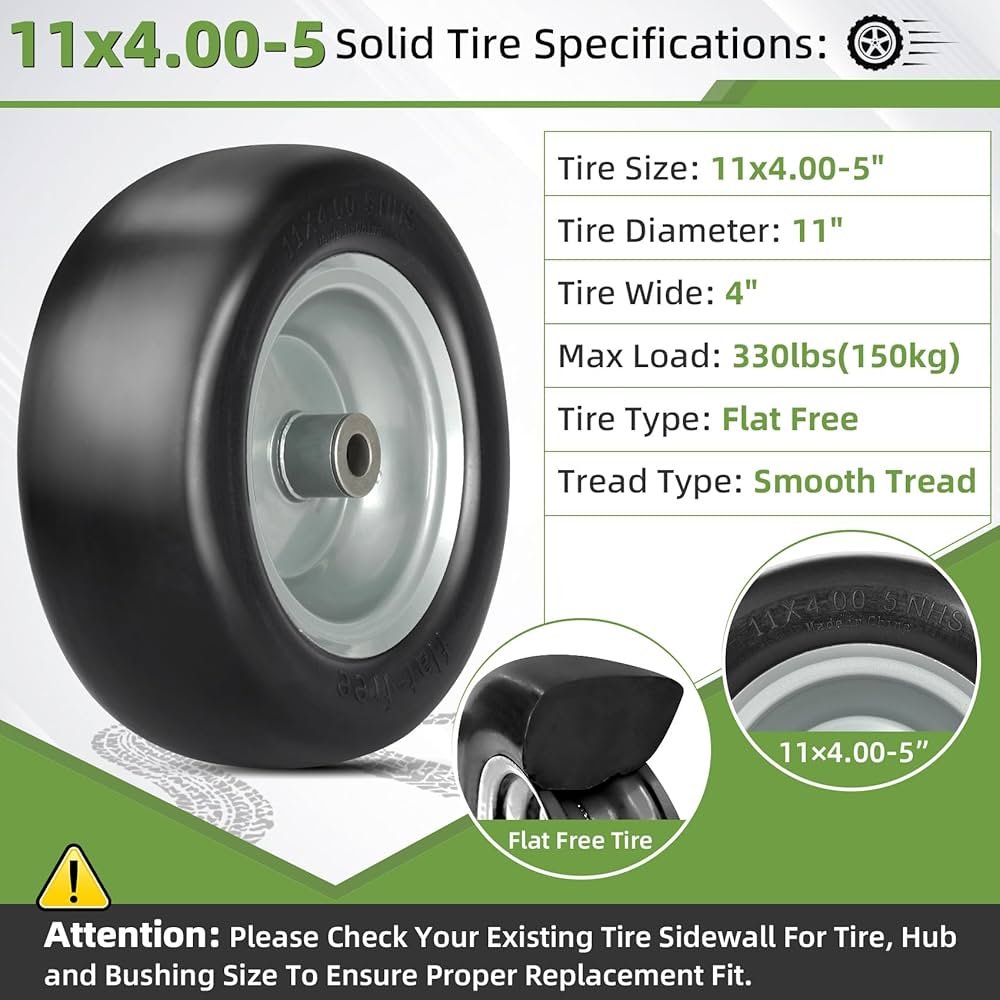
Are you tired of dealing with flat mower tires that slow you down and interrupt your work? Switching to flat-free tires can save you time, money, and frustration.
Imagine mowing your lawn without worrying about punctures or constant air checks. In this guide, you’ll learn exactly how to make the switch easily and quickly, so your mower stays ready whenever you need it. Keep reading to discover the simple steps that will keep your mower rolling smoothly all season long.
Credit: www.amazon.com
Benefits Of Flat Free Tires
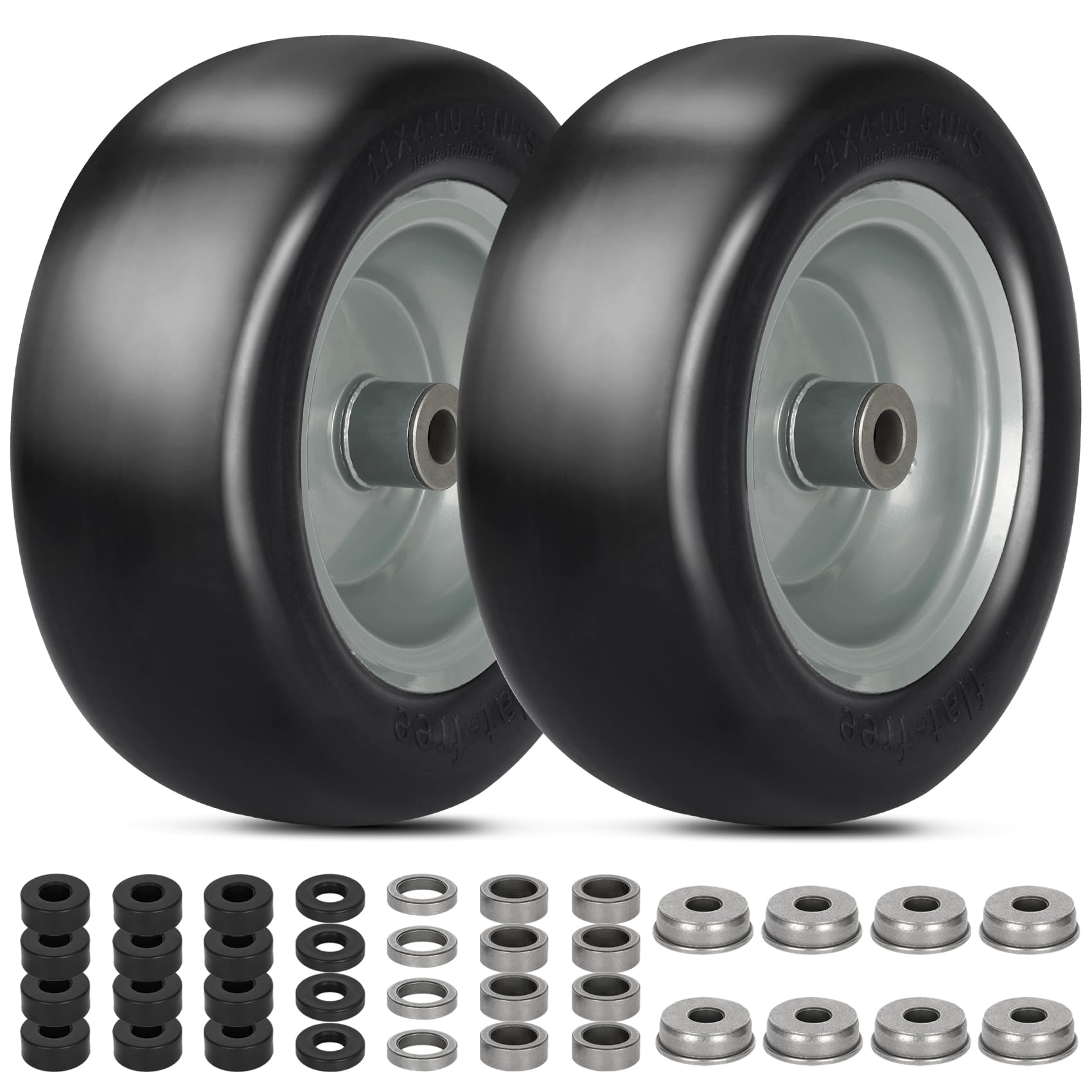
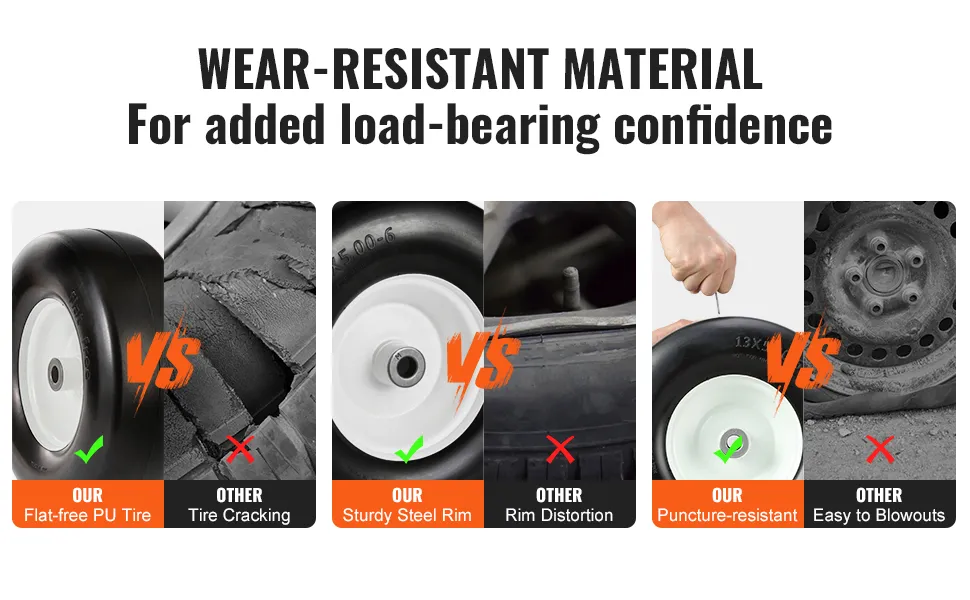
Flat free tireslast much longer than regular tires. They do not get punctures or flats, saving time and money. These tires are made from tough materials that resist damage from sharp objects.
They require almost no maintenance. No need to check air pressure or fix leaks. This lets you focus more on mowing and less on tire problems.
Flat free tires also provide better safety and stability. They keep the mower steady on uneven ground. This reduces slipping and accidents while working.
Credit: www.vevor.com
Types Of Flat Free Tires
Solid rubber tiresare made from hard rubber. They never go flat and need little care. These tires are heavy but last long. They work well on rough ground.
Foam filled tireshave foam inside instead of air. The foam holds shape and stops flats. They are lighter than solid tires and give a smooth ride. Good for lawns and gardens.
Airless tires with flexible coreshave a soft inside core that bends. The outer tire is tough and protects against punctures. They offer good shock absorption and are easy to install.
Tools And Materials Needed
Essential hand tools include a socket wrench set, tire irons, and pliers. A jackor lift helps raise the mower safely. A rubber malletcan assist in loosening tires.
Replacement tires must fit your mower’s specifications. Choose flat-free tiresmade of solid material or foam-filled. Include new valvesand rim accessoriesif necessary for a secure fit.
Safety gear is important. Use glovesto protect hands from sharp parts. Safety glasses shield your eyes from debris. Wear sturdy shoes to protect feet while working.
Preparing The Mower
Ensure the mower is turned off and on a flat surface before starting. Remove any dirt or debris from the tires to make the switch easier. Gather all tools needed for removing and installing the flat-free tires safely.
Place the mower on a flat surface. Make sure it’s stable and won’t roll. Use blocks or a brick to secure the wheels. This keeps the mower from moving. Turn off the mower and remove the key. This step is very important for safety. Always use gloves to protect your hands. Use a wrench to loosen the nuts. Turn them counterclockwise to remove. Keep the nuts in a safe place. Gently pull the tire off the axle. If stuck, use a little oil. This helps it slide off more easily. Wipe the wheel assembly with a clean cloth. Remove dirt and grease from the axle. Check for rust or damage. Use a brush for hard-to-reach areas. Make sure the assembly is clean and ready for new tires. Clean parts work better and last longer. `Step-by-step Tire Replacement
Start by removing the tire from the rim carefully. Use a tire iron or flat tool to pry the tire edge away from the rim. Work slowly around the tire to avoid damage. Once loose, pull the tire off completely.
Fit the flat free tire onto the rim next. Align the tire bead with the rim edge. Press or tap the tire evenly around the rim to seat it firmly. Check for any gaps or loose spots to ensure a snug fit.
- Lift the mower wheel back onto the axle.
- Secure the wheel with the original bolts or clips.
- Tighten all fasteners firmly but do not overtighten.
- Spin the wheel to check for smooth rotation.
Testing And Adjustments
Check the flat free tires for proper fit on the mower rims. Tires should sit evenly without gaps or tight spots. Align the tires so they rotate straight and do not wobble.
Spin each tire by hand to test smooth operation. Listen for unusual sounds and watch for uneven movement. Adjust the tire position if it feels loose or too tight.
- Ensure bolts and nuts are tightened securely but not over-tightened.
- Adjust tire alignment by loosening and repositioning if needed.
- Check the mower deck height to avoid tire rubbing.
Testing and adjusting tires ensures safe and smooth mower use. Take time to verify all parts fit well for better performance.
Maintenance Tips For Flat Free Tires
Keep flat free tires clean to avoid dirt buildup. Dirt can cause wear and tear. Use water and a soft brush for cleaning. Avoid harsh chemicals that damage the tire material.
Check tires often for cuts, cracks, or punctures. Small damage can grow bigger over time. Replace tires if damage is severe to keep safe.
To make tires last longer, keep them free from sharp objects. Store mower in a dry place to prevent rust and dry rot. Regularly check tire pressure for the best performance.

Credit: www.amazon.com
Frequently Asked Questions
What Are Flat Free Mower Tires?
Flat free mower tires are solid or foam-filled tires. They prevent flats and eliminate the need for air inflation. These tires increase durability and reduce maintenance.
How Do I Switch Mower Tires To Flat Free?
First, remove the old tires from the mower. Next, install flat free tires by aligning and securing them properly. Use proper tools and follow the manufacturer’s instructions.
Are Flat Free Tires Better For Lawn Mowers?
Yes, flat free tires offer consistent performance. They resist punctures and last longer. This reduces downtime and maintenance costs for lawn mower owners.
Can I Install Flat Free Tires Myself?
Yes, with basic tools and some mechanical knowledge. Follow step-by-step instructions carefully. If unsure, seek professional help to avoid damage.
Conclusion
Switching mower tires to flat-free ones saves time and hassle. No more worries about punctures or slow leaks. These tires stay firm and last longer. The process is simple and worth the effort. Enjoy smoother rides and less maintenance work.
Your mower will be ready whenever you need it. Flat-free tires give peace of mind and better performance. A small change with big benefits. Try it and see the difference yourself.





