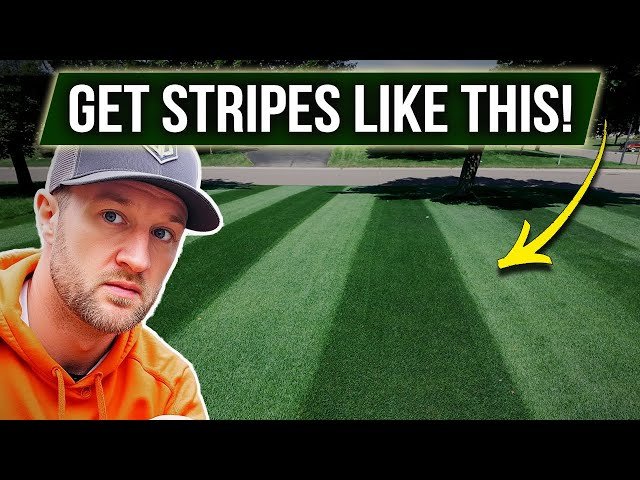
Want a lawn that looks like it belongs on the cover of a magazine? You don’t need expensive tools or a professional landscaper to achieve those perfect stripes.
Imagine stepping outside and seeing your grass with clean, crisp lines that make your yard stand out. It’s easier than you think, and you can do it yourself with simple techniques anyone can master. Keep reading, and you’ll discover how to stripe your lawn like a pro—without spending a fortune or needing fancy equipment.
Your neighbors will be asking for your secret!

Credit: www.reddit.com
Choosing The Right Grass
Choosing grass typesthat show clear stripes is important for a striped lawn. Some grasses reflect light differently when bent in opposite directions. This creates the striped effect.
| Grass Type | Best For | Striping Quality |
|---|---|---|
| Kentucky Bluegrass | Cool climates | Excellent stripes, dense blades |
| Perennial Ryegrass | Fast germination | Good stripes, fine texture |
| Bermuda Grass | Warm climates | Strong stripes, tough blades |
Healthy grass grows evenly and bends well for striping. Mow regularly and water deeply. Remove weeds and dead spots before striping. Aerate the soil for better root health. Strong roots help blades stand and bend properly.
Preparing Your Lawn
To get sharp lawn stripes, start by mowing your grass evenly. Set your mower blade to a medium height, not too short. This helps grass stay healthy and shows the stripes better. Mow in straight lines, and try to keep your path consistent. Change direction each time you mow to keep patterns visible and grass strong.
Clear your lawn of sticks, leaves, and toys before mowing. These can block your mower and ruin your stripes. Walk around and pick up any obstacles. A clean lawn lets you cut smoothly and get nice, clear lines.
Diy Striping Methods
Using a lawn roller alternativecan create nice stripes. Fill a plastic drum or barrel with water or sand. Attach a handle or rope to pull it across the grass. The weight presses the grass blades down, making light and dark stripes.
Employing a DIY stripe kitinvolves simple items like a garden roller and a striping brush. The roller flattens the grass one way. The brush bends the grass in the opposite direction. This contrast forms clear stripes visible from afar.
Creating stripes with a broom or rakeworks by gently pushing the grass blades. Use the broom to sweep in straight lines or the rake to comb the lawn. The grass bends, reflecting light differently to show striped patterns.
Credit: www.lawnstarter.com
Stripe Patterns To Try
Creating stripe patterns on your lawn is easy without special tools. Use simple items like string or lawn chairs to guide your mowing lines. Straight or curved stripes add style and neatness to your grass.
Classic Straight Lines
Straight lines are easy and look neat. Mow in one direction. Turn around at the end. Mow back in the opposite direction. Keep lines straight with a point to follow. This pattern is the simplest for beginners. It gives a clean, professional look.Checkerboard And Diamond Patterns
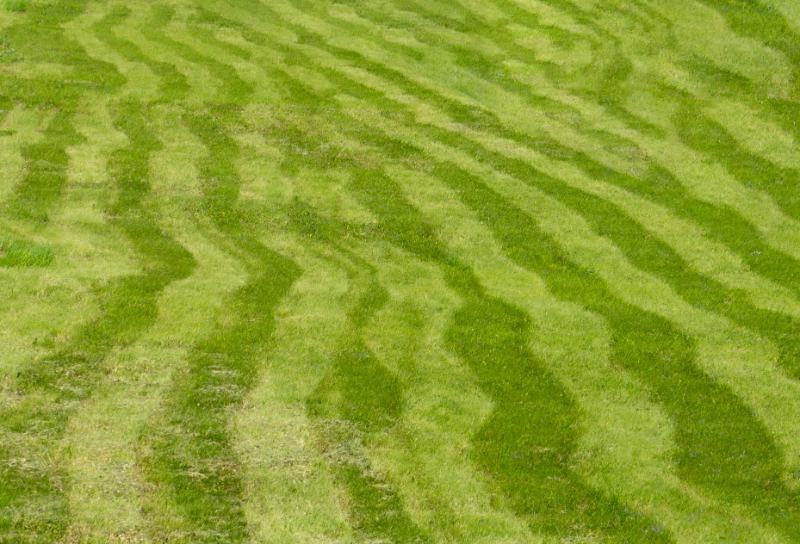
These patterns look fancy but are doable. Mow straight lines first. Then mow lines at a right angle. A checkerboard looks like a big chessboard. For diamonds, mow diagonally after the first lines. These patterns make your lawn stand out. They look like a sports field.Curved And Creative Designs
Curved designs add a fun twist. Mow gentle waves or circles. These patterns look natural and artistic. Curved lines are great for large lawns. They require more attention to detail. Keep curves smooth for the best look. `Maintaining Your Striped Lawn
Watering your lawnearly in the morning helps keep grass healthy. Avoid watering in the afternoon to reduce evaporation. Use a sprinkler to give even coverage. Fertilize your lawnregularly with a balanced fertilizer. This helps the grass grow strong and green. Choose a fertilizer with nitrogen, phosphorus, and potassium. Follow the package instructions for the right amount.
Keep your lawn mowed at the right height. Cut only one-third of the grass blade at a time. This keeps grass healthy and helps stripes stay clear. Mowing often creates fresh stripes and prevents grass from growing too tall. Use a sharp mower blade for clean cuts. Remember, consistent mowingkeeps the lawn neat and striped.
Common Mistakes To Avoid
Over-mowingcan stress the grass and harm its growth. Cutting too short removes vital leaves that help the lawn stay healthy. Grass needs enough height to gather sunlight and grow strong roots. Mowing too often also wears out the grass, leaving it weak.
Ignoring grass healthleads to poor lawn stripes. Dry or damaged grass won’t show clear patterns. Keep your lawn watered and fertilized for best results. Healthy grass bends well and reflects light differently, creating those nice stripes.
Improper tool usemakes striping harder. Using dull or wrong tools can tear grass instead of cutting it cleanly. Choose tools that work well for your lawn size. Push mowers or homemade rollers can help create straight lines without special equipment.

Credit: www.youtube.com
Frequently Asked Questions
How Can I Stripe My Lawn Without Professional Tools?
You can stripe your lawn using a regular lawn mower and household items like a lawn roller or homemade striping kit. Alternate mowing directions to create light and dark stripes for a professional look.
What Household Items Help Create Lawn Stripes?
Items like a lawn roller, PVC pipes, or even a weighted garden rake can help bend grass blades. This bending reflects light differently, creating visible stripes without expensive tools.
How Often Should I Mow For Lawn Striping?
Mow your lawn regularly, about once a week during the growing season. Consistent mowing keeps grass uniform and enhances the striping effect by maintaining even blade length.
Can I Create Lawn Stripes On Any Grass Type?
Most grass types like Kentucky bluegrass, fescue, and Bermuda respond well to striping. Ensure your grass is healthy and at least 2-3 inches tall for best stripe visibility.
Conclusion
Creating striped patterns on your lawn does not need fancy tools. Simple items like a lawn roller or homemade striping kits work well. Regular mowing with a clear plan makes stripes visible and neat. Patience and consistent care improve the lawn’s look over time.
Anyone can achieve a professional look with these easy steps. Enjoy the beauty of your striped lawn every day. Keep practicing, and your lawn will stand out in your neighborhood.





