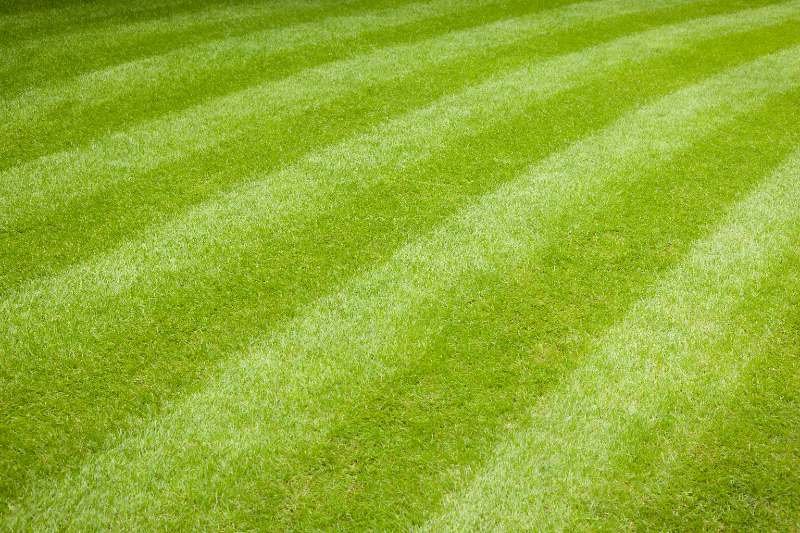
Want your lawn to stand out with those stunning, professional-looking stripes? You’re in the right place.
Stripping your lawn with Kentucky Bluegrass isn’t just for golf courses or sports fields—it’s something you can do at home to make your yard look lush and perfectly manicured. Imagine stepping outside and seeing crisp, clean lines that highlight the rich green color of your grass.
You’ll learn simple, effective steps to create those eye-catching stripes and give your lawn a fresh, vibrant look. Ready to transform your outdoor space? Let’s dive in!
Choosing Kentucky Bluegrass
Kentucky Bluegrassis perfect for creating a striped lawn. Its fine texture and rich green color make stripes stand out clearly. This grass grows thick and recovers fast from damage, keeping stripes sharp.
It thrives best in cool, moist climates. The ideal soil is well-drainedwith a pH of 6.0 to 7.0. Kentucky Bluegrass needs full sun but can tolerate some shade. Water regularly, especially during dry spells.
| Seed Type | Growth Rate | Color | Use |
|---|---|---|---|
| Common Kentucky Bluegrass | Moderate | Dark green | General lawns |
| Improved Cultivars | Fast | Bright green | High-quality striped lawns |

Credit: www.reddit.com
Preparing Your Lawn
Testing the soil shows what it needs. A soil test kit helps check pH and nutrients. Kentucky bluegrass likes soil pH between 6.0 and 7.0. Add lime if soil is too acidic. Use fertilizer to add missing nutrients. Good soil helps grass grow thick and green.
Cut the grass short before striping. Mow at about 2 to 3 inches high. Short grass shows stripes better. Mowing also removes old, dead grass. Make sure mower blades are sharp for clean cuts.
- Pick up sticks, stones, and leaves.
- Pull out weeds by hand or use a weed killer.
- Clear debris to avoid bumps in the lawn.
- A clean lawn gives a smooth, even striped look.
Stripe Patterns And Layouts
Classic straight stripesgive your lawn a neat and tidy look. These stripes run parallel across the lawn. Use a lawn roller or mower with a roller to bend grass blades in opposite directions. This creates light and dark green stripes. Straight stripes work well for most yards and are easy to maintain.
Checkerboard and diamond designsadd more visual interest and style. These patterns require mowing in multiple directions. Checkerboard looks like a chessboard with squares, while diamonds form angled shapes. Both designs take more time but make your lawn stand out.
Planning your stripe widthdepends on your mower and lawn size. Narrow stripes show more detail but need more passes. Wider stripes cover ground faster and look bold. Typical stripe widths range from 3 to 6 feet. Choose a width that fits your mower and lawn shape for best results.
Mowing Techniques For Striping
A reel moweris best for creating stripes. It cuts grass evenly and cleanly. Push mowerscan work too, but use one with a striping kit. Ensure your mower has sharp blades. Dull blades tear grass and spoil the look.
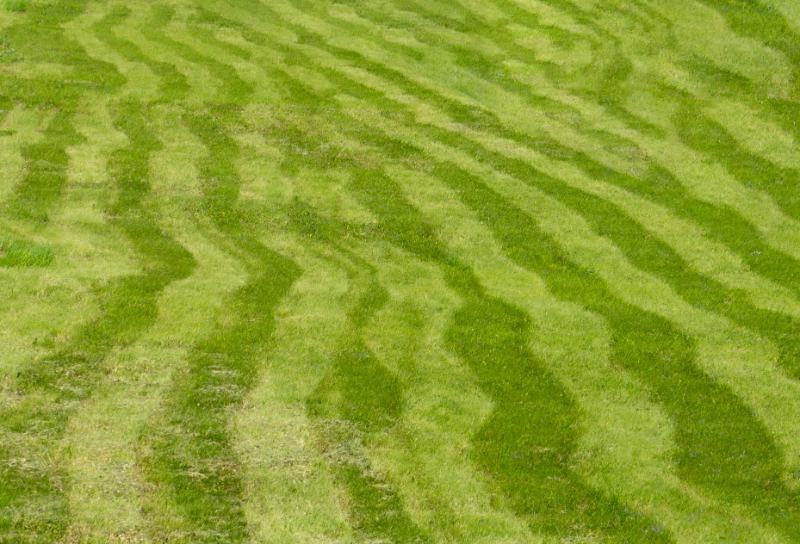
Mow in straight linesfor clear stripes. Start at one end and mow to the other side. Then turn around and mow back. Alternate directions each week for the best pattern. This keeps grass healthy and prevents rutting.
Stripe contrast comes from bending grassin different directions. Sunlight reflects differently on bent grass. Mow when the grass is dry for best results. Wet grass bends poorly and stripes won’t show. Use a rollerattachment to bend grass more. It helps make the stripes pop.
Lawn Care After Striping
Water Kentucky Bluegrass deeplybut less often to keep roots strong. Early morning watering helps reduce disease risks. Avoid watering at night to stop fungus growth.
Fertilize in spring and fallusing a balanced fertilizer. Too much nitrogen causes thatch buildup and weak grass. Follow package directions carefully to keep lawn healthy.
| Common Issue | Cause | Solution |
|---|---|---|
| Brown patches | Underwatering or pests | Water deeply, check for insects |
| Thatch buildup | Over-fertilizing | Reduce fertilizer, dethatch lawn |
| Weed growth | Poor lawn health | Use herbicides, improve care |
Credit: www.lawnstarter.com
Tools And Accessories
Lawn striping kitsinclude everything needed to create patterns on Kentucky bluegrass. They usually have a rollerthat bends grass blades in one direction. This bending makes light and dark stripes when sunlight hits. Some kits come with attachmentsto fit different lawn mowers or tractors. These attachments help the roller stay steady and roll smoothly over your lawn.
Choosing the right roller depends on lawn size and mower type. Some rollers are heavyto press blades well, while others are lighterfor small yards.
Maintaining striping tools keeps them working well. Clean rollers and attachments after use. Check for rust or damage. Store equipment in a dry place to prevent wear. Regular oiling of moving parts can help the roller roll easily. Good care means your tools last longer and your lawn stripes stay sharp.
Seasonal Tips For Best Results
Spring and summerare key seasons for caring for Kentucky bluegrass. Mow regularly to keep grass height about 2.5 to 3 inches. Water deeply but less often to encourage strong roots. Apply a balanced fertilizer every 6-8 weeks to boost growth and color. Stripe your lawn when grass is dry for the best effect. Avoid mowing when the lawn is wet to prevent damage.
Fall preparationhelps the lawn survive winter and grow well next spring. Rake fallen leaves to keep grass clear. Aerate the soil to improve air and water flow. Overseed thin areas to fill gaps. Use a fertilizer high in potassium to strengthen roots before cold weather.
Winter protection strategieskeep Kentucky bluegrass healthy during cold months. Avoid walking on frozen grass to prevent damage. Clear heavy snow from the lawn if possible. Keep lawn equipment clean and ready for spring. Plan to start early spring care as snow melts.

Credit: www.reddit.com
Frequently Asked Questions
How Do You Prepare Kentucky Bluegrass For Striping?
Prepare by mowing to a uniform height of 2. 5-3 inches. Ensure the lawn is healthy and well-watered for even striping.
What Equipment Is Best For Striping Kentucky Bluegrass?
Use a lawn mower with a roller or a striping kit. This helps bend grass blades, creating the striped pattern.
When Is The Ideal Time To Stripe A Kentucky Bluegrass Lawn?
Stripe during the growing season, preferably late spring to early fall. Avoid striping during drought or extreme heat for best results.
How Often Should Kentucky Bluegrass Be Striped?
Stripe your lawn every 1-2 weeks. Regular striping encourages healthy grass and maintains a vibrant striped appearance.
Conclusion
Striping a lawn with Kentucky Bluegrass adds a fresh, neat look. It takes patience and care to get clear, sharp stripes. Mow in straight lines and keep your mower blades sharp. Water and fertilize your lawn regularly for best results.
Small steps lead to a beautiful, striped lawn. Enjoy the simple pleasure of a well-kept yard. Your lawn will stand out with a clean, green pattern. Keep practicing and your skills will improve over time. A striped lawn brightens any outdoor space easily.