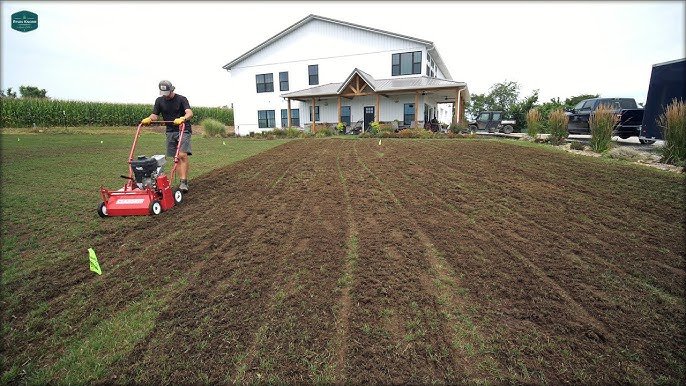
Want your fescue lawn to look like a professional sports field? Creating those sharp, eye-catching stripes isn’t as hard as you might think.
With a few simple techniques and the right tools, you can transform your yard into a stunning, striped masterpiece. You’ll discover exactly how to stripe your fescue lawn step-by-step, making your outdoor space stand out and impress your neighbors. Ready to give your lawn that perfect, polished look?
Let’s dive in!

Credit: www.reddit.com
Choosing The Right Fescue
Fescueis a popular grass for lawns with stripe patterns. There are several types of fescue, each with unique traits. Tall fescuegrows thick and handles wear well. Fine fescuehas thin blades and looks soft. Chewings fescueis good in shade and dry spots. Hard fescuegrows slowly and needs less water. Choosing the right type depends on your climate and lawn use.
For striping, grass must be healthy and strong. Thick blades help show stripes clearly. Some fescue types bend well under the mower, making stripes visible.
| Type of Fescue | Best For | Growth Traits |
|---|---|---|
| Tall Fescue | High traffic, durability | Thick blades, deep roots |
| Fine Fescue | Shade, soft look | Thin blades, slow growth |
| Chewings Fescue | Shade, dry spots | Fine texture, shade tolerant |
| Hard Fescue | Low maintenance | Slow growth, drought resistant |

Credit: www.reddit.com
Tools For Lawn Striping
Choosing the right striping kitis key for clear lawn stripes. Most kits attach to a lawn mower and bend grass blades to create patterns.
There are different mower typesused for striping:
- Reel mowerscut grass cleanly and work well for stripes.
- Rotary mowersare common but may need slower speeds.
- Adjust mower height to about 3 to 4 inchesfor best striping.
Other tools help improve striping:
- Striping rollerto press grass down evenly.
- Grass catcherto keep the lawn clean.
- Rake or broomto straighten grass after mowing.
Preparing Your Lawn
Mowing height for fescueshould be about 2.5 to 3.5 inches. This height keeps the grass healthy and thick. Cutting too short can stress the grass and cause brown patches. Taller grass helps create clear, sharp stripes on your lawn.
Clearing debrisis important before striping. Remove sticks, leaves, and rocks. These things can block the mower and spoil the stripe pattern. A clean lawn surface helps the mower work evenly.
Watering before stripingmakes the grass strong and easier to cut. Water your lawn about one or two days before mowing. Avoid watering right before striping to stop mud and clumps. A slightly moist lawn gives the best stripe effect.
Striping Techniques
Use a lawn mower with a roller. This helps bend the grass. Start mowing from one end to the other. Keep your eyes fixed on a distant point. This helps maintain a straight path. Repeat the process next to the first stripe. Make sure the lines are parallel.
Experiment with different patterns for variety. Here are some simple patterns:
- Checkerboard:Mow in a crisscross pattern.
- Diagonal:Create lines at an angle.
- Waves:Sway the mower for a wavy effect.
Keep your mower blades sharp for clean cuts. Regular mowing ensures even stripes. Adjust the mower height if needed. Water the lawn evenly for healthy grass. Practice makes perfect. Each mow will improve your technique.
Caring For Striped Fescue
Water the fescue lawndeeply but less often. This helps roots grow strong. Early morning is the best time to water. Avoid watering in the hot midday sun to stop water loss. Aim for about 1 inch of water per week, including rain.
Use a balanced fertilizerto keep grass healthy. Apply fertilizer in early spring and fall. Follow the package instructions to avoid over-fertilizing. Too much fertilizer can harm the grass.
| Common Issue | Solution |
|---|---|
| Brown patches | Check watering and reduce foot traffic |
| Weeds | Pull weeds by hand or use a safe herbicide |
| Thatch build-up | Rake lawn or use a dethatching tool |
Troubleshooting Striping Problems
Uneven stripeshappen when mower wheels slip or grass is wet. Try mowing slower for better control. Make sure blades are sharp and mower is at the right height. Overlap each pass slightly to keep lines straight. Avoid turning sharply; instead, lift the mower when turning.
Patchy areas appear if grass is thin or soil is poor. Reseed bare spots and water them well. Fertilize the lawn to help grass grow thick and strong. Avoid mowing patchy spots too short; this helps new grass grow.
- Prevent lawn damage:Mow only when grass is dry.
- Keep mower blades sharp to avoid tearing grass.
- Do not mow too low; it stresses the grass.
- Avoid heavy foot traffic on wet or weak areas.
- Water lawn deeply but less often to encourage strong roots.
Seasonal Maintenance
Spring preparationsets the stage for a striped fescue lawn. Start by clearing debris and leaves. Mow the grass slightly shorter than usual to promote new growth. Use a sharp mower bladefor clean cuts. Fertilize with a balanced, slow-release fertilizer to feed the grass throughout the season. Water deeply but infrequently to encourage strong roots. Aerate the soil if it feels compacted to improve air and water flow.
During summer, keep the grass healthy by mowing at a higher setting to reduce stress. Water early in the morning to reduce evaporation. Avoid heavy foot traffic on the lawn when it is hot and dry. Spot treat weeds and pests quickly to prevent damage. Continue regular fertilization with a focus on nitrogen to maintain green color and growth.
Fall helps the lawn recover and prepare for winter. Rake fallen leaves to prevent mold and fungus. Apply a fertilizer high in potassium to strengthen roots. Overseed thin or bare areas to keep the lawn thick and lush. Reduce watering as temperatures drop but keep the soil moist. In winter, avoid walking on frozen grass to prevent damage.
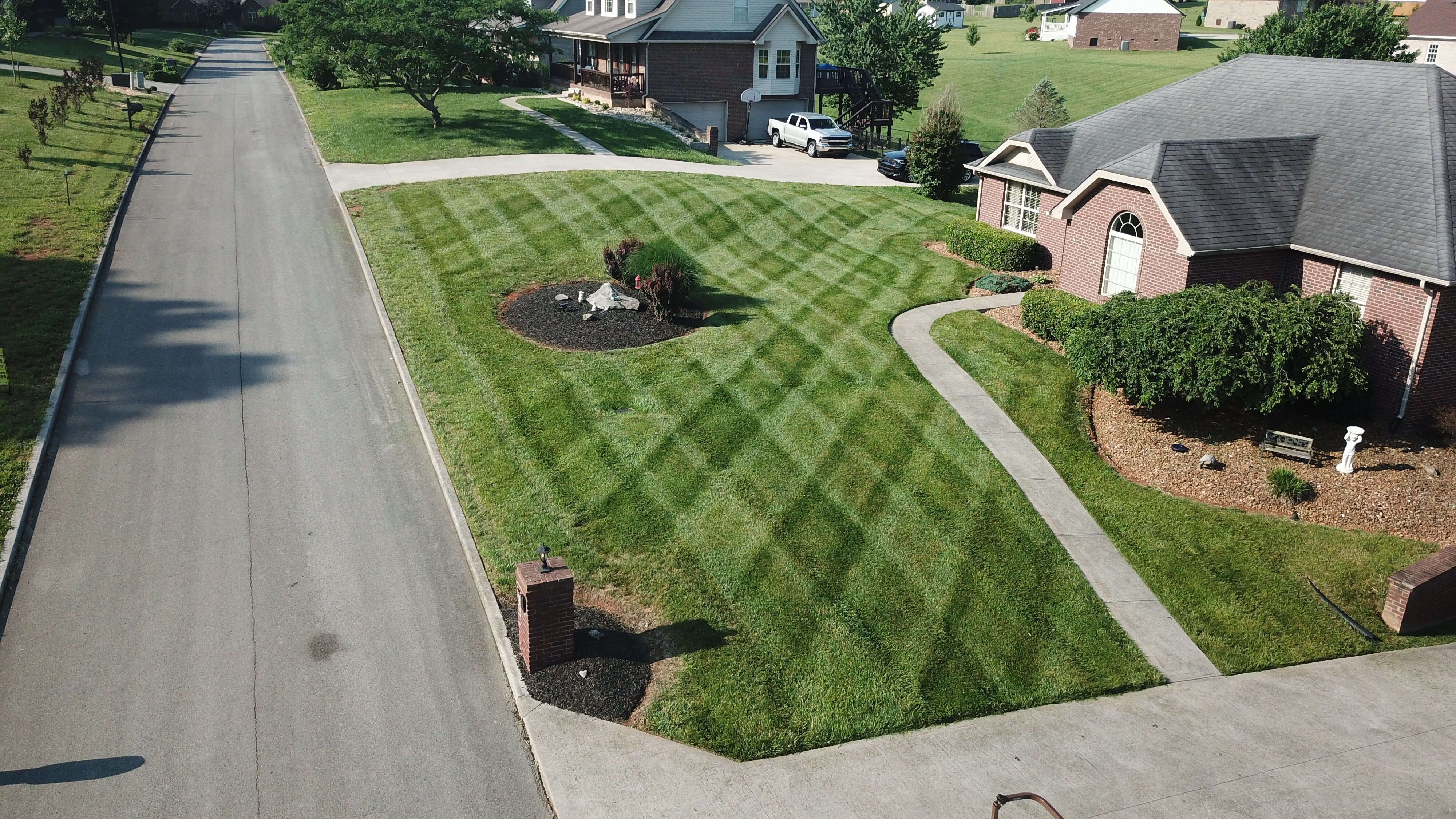
Credit: blog.grasshoppermower.com
Frequently Asked Questions
How Do You Stripe A Lawn With Fescue Grass?
To stripe a fescue lawn, mow in alternating directions. Use a sharp mower blade and mow when grass is dry. The light reflects differently on blades, creating striped patterns. Regular mowing and consistent striping enhance the striped effect on fescue lawns.
What Mowing Height Is Best For Fescue Lawn Striping?
Set your mower blade between 2. 5 to 3. 5 inches for fescue. This height promotes healthy growth and visible stripes. Avoid cutting too short, which stresses fescue and reduces stripe visibility. Proper height ensures lush, striped grass throughout the season.
Can I Use Any Mower For Lawn Striping On Fescue?
Not all mowers create stripes effectively. A reel mower or a lawn mower with a roller works best. The roller bends grass blades to produce contrasting light and dark stripes. Regular rotary mowers without rollers might not achieve clear striping on fescue.
When Is The Best Time To Stripe A Fescue Lawn?
Stripe your fescue lawn during active growing seasons: spring and fall. Mowing when grass is healthy and dry yields the best stripe results. Avoid striping in extreme heat or drought to prevent grass damage. Consistent timing helps maintain vibrant stripes.
Conclusion
Striping a lawn with fescue adds a clean, fresh look. It takes time and care but is worth the effort. Use a sharp mower and mow in straight lines. Alternate directions to create the striped effect. Keep the grass healthy by watering and fertilizing well.
Watch your lawn transform with simple steps and patience. A striped lawn stands out and shows pride in your yard. Try these tips to enjoy a beautiful, striped fescue lawn all season.