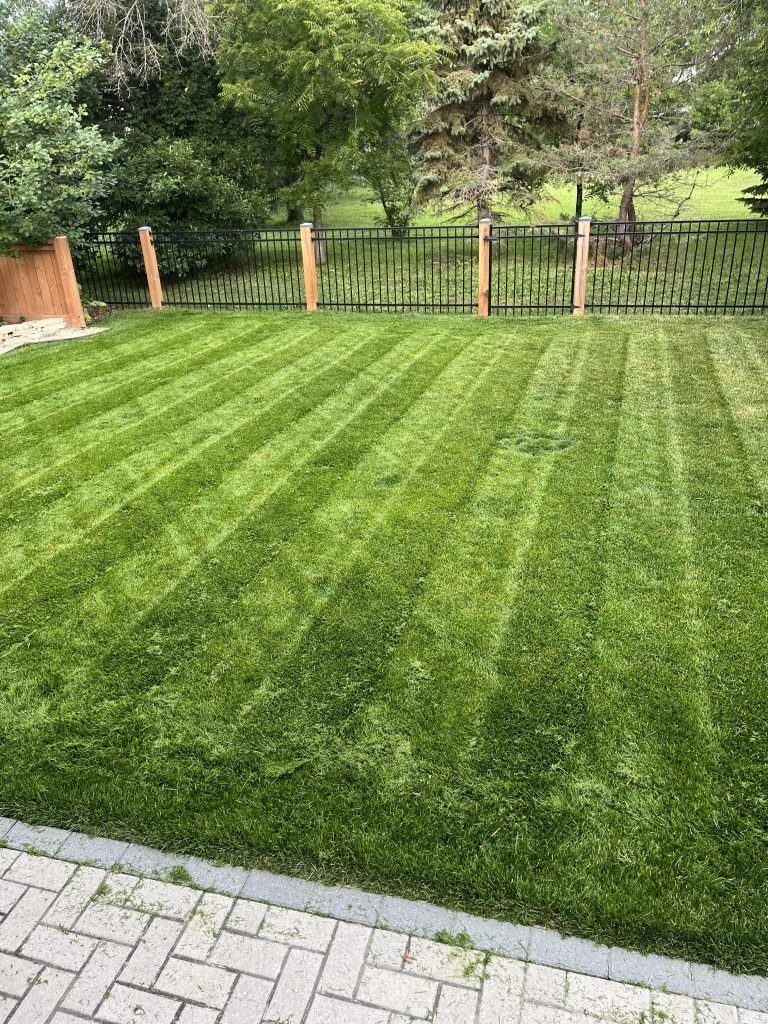
You’ve just overseeded your lawn, and now you want it to look its best. One of the easiest ways to give your yard a professional, polished appearance is by striping your lawn.
But how do you stripe your lawn after overseeding without damaging those new, delicate grass shoots? In this guide, you’ll discover simple, effective steps to create sharp, beautiful stripes while protecting your fresh grass. Keep reading to transform your lawn into a stunning, striped masterpiece you’ll be proud of all season long.
Benefits Of Lawn Striping
Lawn stripingadds a neat, patterned look that boosts curb appeal. The alternating light and dark stripes create a fresh, cared-for impression. This simple technique makes your lawn stand out in the neighborhood.
Striping also helps grass grow healthier. The mower blades bend grass blades in different directions. This bending improves sunlight exposure and air flow. Grass roots become stronger and more robust.
- Improves lawn appearance with clean, sharp lines
- Encourages even grass growth and density
- Helps identify mowing patterns and avoid missed spots
- Prevents soil compaction by varying mower paths
Timing Striping After Overseeding
After overseeding, wait at least 3 to 4 weeksbefore striping your lawn. This time helps the new grass grow strong. Striping too early can damage young grass and slow growth.
Look for these signs that grass is readyto be striped:
- Grass blades are about 3 inches tall.
- The new grass shows a deep green color.
- The lawn feels dense and firmunderfoot.
- No bare patches or weak spots remain.
Patience is key. Wait until the grass is strong enough to handle the mower. This helps keep your lawn healthy and beautiful.
Preparing Your Lawn For Striping
Before striping, the lawn must be healthy and even. Mow the grass to about 2.5 to 3 inches tall. Keep the mower blades sharp to avoid tearing new grass. Mow the lawn a few days before striping to help the grass stand up straight.
Clear all debris like sticks, leaves, and stones from the lawn. This helps the mower roll smoothly and gives clean stripes. Debris can block mower rollers and damage young grass. Rake the lawn gently to remove any leftover dead grass or clumps. This step protects new grass and creates a tidy surface for striping.

Credit: www.youtube.com
Tools And Equipment Needed
Essential tools include a lawn mower with a roller, string trimmer, and a rake for clearing debris. Having a lawn striping kit helps create clean, even lines after overseeding. Proper equipment ensures the stripes look sharp and professional.
Choosing The Right Mower
A good mower is important for neat stripes. It should have sharp blades. Dull blades can tear grass. This makes it look brown. Adjustable cutting height is useful. It helps in cutting grass evenly. Lightweight mowers are easy to handle. They help in making straight lines.Using Lawn Striping Kits
Lawn striping kits are helpful tools. They attach to the back of the mower. They press grass in different directions. This creates visible stripes. Kits are easy to install. They do not require special tools. Some mowers come with built-in kits. Check if your mower has one. If not, consider buying a kit. They are available in stores. Choose a kit that fits your mower model. This ensures better results. `Step-by-step Striping Process
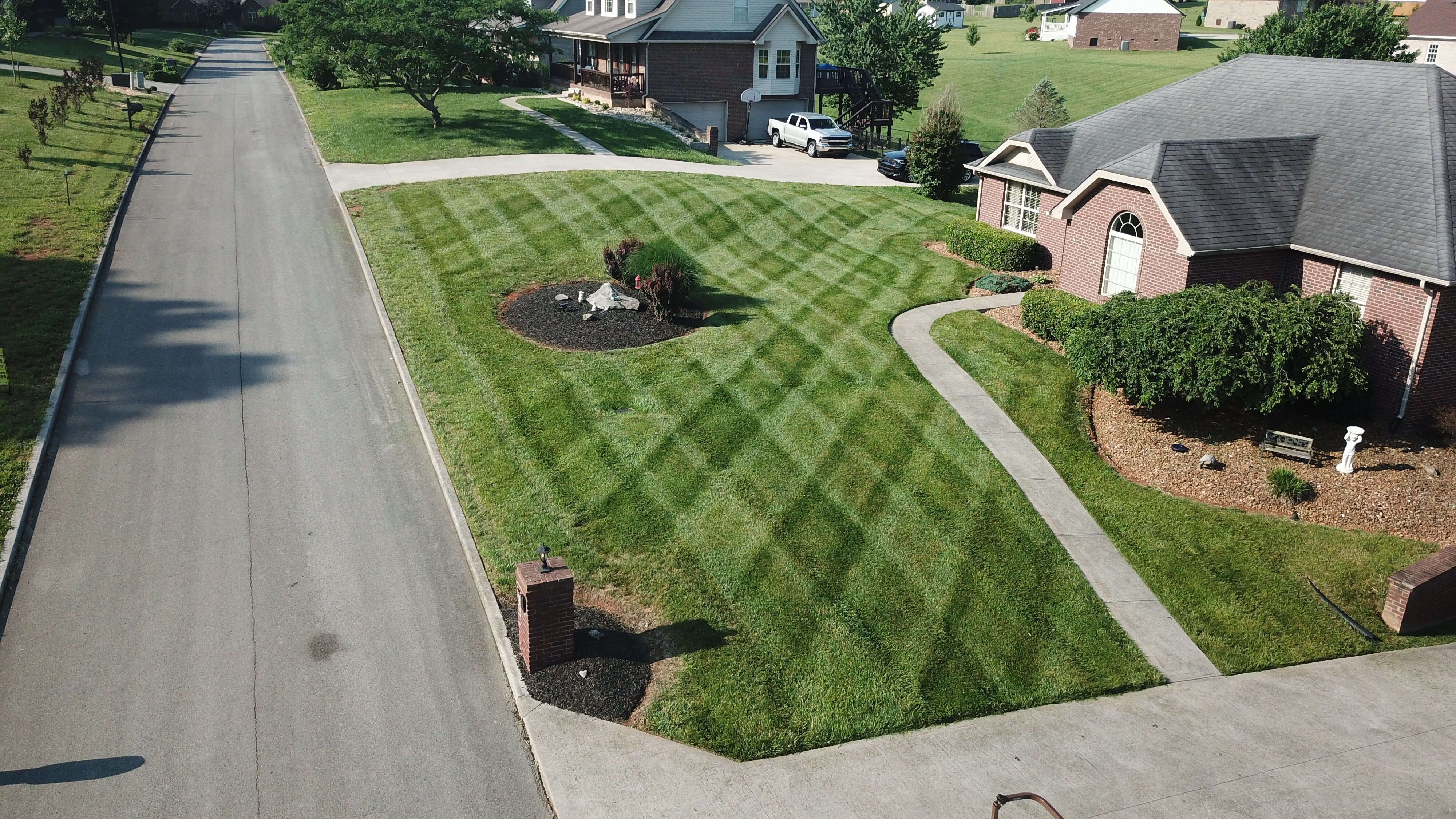
Choose a stripe pattern that fits your lawn size and shape. Straight lines create a clean, classic look. Curved stripes add a soft, natural feel. Use string or markers to guide your mower. Plan wide stripes for a bold effect or narrow for subtle contrast.
Start mowing along the edge of your lawn for a neat border. Mow slowly to keep stripes clear and sharp. Use a sharp blade to avoid tearing grass. Change direction each time you mow to prevent ruts.
- Mow in straight lines for strong stripe definition.
- Overlap slightly on turns to avoid gaps.
- Use a roller or striping kit on your mower for better stripes.
- Keep grass at recommended height to highlight stripes.
Credit: blog.grasshoppermower.com
Maintaining Stripes Post-striping
Wateringis key after overseeding and striping. Keep the soil moist, but not soaked. Water lightly and often to help seeds germinate. Once grass grows, water deeply but less frequently to build strong roots.
Fertilizinggives new grass the nutrients it needs. Use a slow-releasefertilizer to avoid burning young grass. Apply fertilizer based on your grass type and season. Avoid over-fertilizing as it can harm growth.
- Do not mow too soon after overseeding. Wait until grass is taller.
- Avoid heavy foot traffic on new grass to prevent damage.
- Do not overwater; it can cause seed rot and fungus.
- Use a lawn roller gently to press seeds but not damage soil.
Troubleshooting Common Issues
Faded or uneven stripeshappen when the mower blades are dull or dirty. Mowing too fast can also cause uneven stripes. The grass must be dry for clear stripes. Mowing after rain or watering can blur the pattern. Adjust mower height to avoid cutting new grass too short. Overlapping stripes help keep the pattern even.
Damage to new grassoccurs if the lawn is striped too soon after overseeding. The young grass roots are fragile and can be pulled out. Avoid heavy foot traffic and sharp mower blades. Use a lighter mower setting to protect the grass. Wait until new grass is strong before creating stripes.

Credit: www.reddit.com
Frequently Asked Questions
How Soon Can I Stripe My Lawn After Overseeding?
Wait at least 4-6 weeks after overseeding before striping. This allows new grass to establish roots and reduces damage risk. Early striping may harm young seedlings and delay lawn recovery. Always ensure grass height is around 3 inches for best striping results.
What Equipment Is Best For Striping Lawns Post-overseeding?
Use a lawn roller or striping kit attached to your mower. These tools bend grass blades, creating the striped effect. Avoid heavy equipment that can compact soil or damage new grass. Regular lawn mowers with striping kits work well for home use.
Can Striping Damage Newly Overseeded Grass?
Striping can damage grass if done too early or with heavy equipment. Gentle striping after grass reaches 3 inches is safe. Avoid striping on wet soil to prevent compaction. Proper timing and equipment choice minimize risk to new grass.
Does Striping Affect Grass Growth After Overseeding?
Striping bends grass blades but does not harm growth if done correctly. It can improve lawn aesthetics without impacting health. Avoid excessive striping frequency to prevent stress on young grass. Proper mowing height and watering support grass recovery.
Conclusion
Striping your lawn after overseeding adds a neat, professional look. It also helps grass grow evenly and stay healthy. Use a lawn mower with a roller for best results. Mow in straight lines, changing directions each time. Keep your grass watered and avoid heavy foot traffic.
A striped lawn shows care and effort. Enjoy the fresh, green stripes all season long. Simple steps lead to a lawn you can be proud of.





