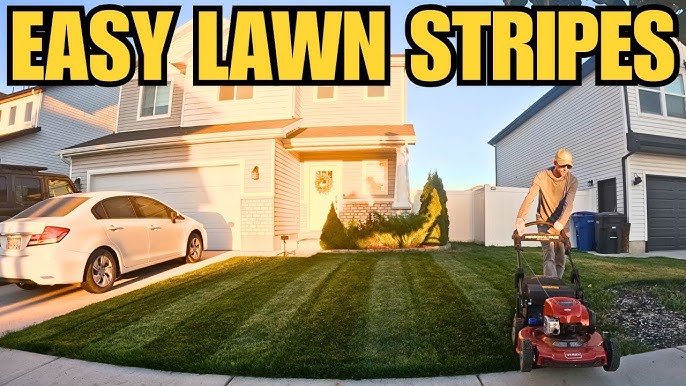
Want your lawn to stand out with those professional-looking stripes but don’t want to spend a fortune on special rollers? You’re in the right place.
The tape method for striping your lawn is simple, affordable, and surprisingly effective. You’ll discover exactly how to use everyday tape to create sharp, eye-catching stripes that make your grass look lush and well-maintained. Keep reading, and you’ll learn step-by-step tips that anyone can follow to transform your yard into the envy of the neighborhood.

Credit: www.youtube.com
Benefits Of Lawn Striping
Lawn stripingcreates neat patterns that boost your home’s look. It makes the yard look cared for and tidy. This visual effect can increase curb appealand impress guests or buyers.
Striping also helps improve lawn health. Rolling the grass blades gently makes them stand up straighter. This lets sunlight and water reach the grass better. Healthier grass grows thicker and greener.
- Creates eye-catching patterns
- Boosts home’s appearance
- Improves grass growth
- Allows better sunlight and water
- Makes lawn look well cared for

Credit: www.youtube.com
Materials Needed
Choosing the right tapeis key for clear lawn stripes. Use wide, durable tape that sticks well to grass. Avoid thin or weak tape that breaks easily. Green or light-colored tape works best to blend with the lawn.
Additional toolshelp make the job easier and neater. A lawn mower with a roller creates smooth stripes. A measuring tape or string guides straight lines. Gloves protect hands while handling tape and tools.
- Wide, strong tape (2-3 inches)
- Green or light color tape
- Lawn mower with roller
- Measuring tape or string
- Gloves for hand protection
Preparing Your Lawn
Keep the grass height even by mowing regularly. Set your mower blade to a medium height for best results. Avoid cutting the grass too short; it can stress the lawn and make stripes less clear.
Clear all debris such as leaves, sticks, and stones before mowing. This prevents damage to the mower and helps create clean stripes. A clean lawn surface allows the tape to leave a visible mark.
- Check mower blades for sharpness to ensure clean cuts.
- Remove any toys or objects from the lawn.
- Rake up loose grass clippings after mowing for a neat finish.
Credit: www.mdenterprisesok.com
Applying The Tape
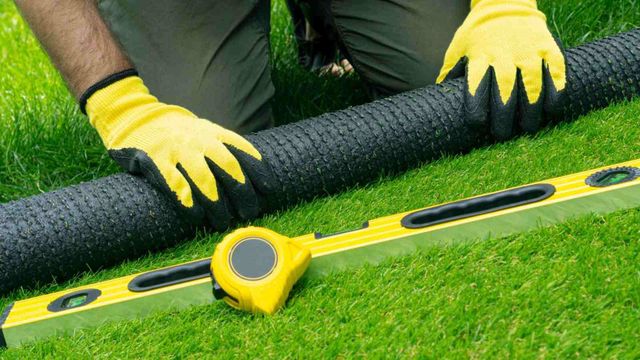
Applying the Tape Lay strips of tape to guide your mower and create neat lawn stripes. Follow the tape lines to ensure straight and even patterns. This method helps in achieving a professional-looking lawn without needing special tools.
Start by deciding on the pattern for your lawn. Measure the entire area with a measuring tape. Mark the edges where each stripe will go. Use stakes or chalk to help guide you. Make sure each stripe is evenly spaced. This will give your lawn a neat look. Roll out the tape along the marked lines. Press it down firmly. Keep the tape straight for clean stripes. Use a roller or a smooth tool to secure the tape. This helps it stick to the grass well. Trim any extra tape at the ends. Check the tape regularly to ensure it stays in place. `Mowing For Stripes
To create sharp lawn stripes, mow in straight lines. Keep the mower blade height the same for all passes.
Change the direction each time you mow. This helps grass bend and reflect light differently. It creates the striped effect.
Maintain a steady pace. Avoid stopping or turning suddenly to keep lines clean.
Use landmarks like fences or garden edges to guide your path. This helps maintain straight lines across the lawn.
Overlap each pass slightly to avoid missed spots. Consistency is key for perfect stripes.
Removing The Tape
Remove the tape only after the grass has dried completely. This usually means waiting until the morning or afternoon following your mowing session. Leaving tape on wet grass can cause the blades to stick and rip when removed.
Be gentle while pulling off the tape to avoid damaging the grass. Pull slowly at a low angle to prevent tearing the blades. If the tape resists, wait a little longer before trying again.
- Best time to remove tape: dry grass, usually next day
- Pull tape gently and slowly
- Remove tape at a low angle
- If tape sticks, wait and try later
Maintaining Striped Lawns
Maintaining a striped lawn needs a regular mowing schedule. Mow the grass at the same height each time to keep stripes clear. Use a sharp mower blade for clean cuts. Change the mowing direction every time to avoid ruts. Tape or roller on the mower helps create the striped effect.
Proper watering and fertilizingkeep the grass healthy and green. Water deeply but less often to encourage strong roots. Fertilize with a balanced lawn fertilizer every 6 to 8 weeks during growing season. Avoid overwatering or overfertilizing to prevent disease or damage.
| Task | Tips |
|---|---|
| Mowing | Sharp blades, same height, change direction |
| Watering | Deep watering, less frequent |
| Fertilizing | Use balanced fertilizer every 6-8 weeks |
Troubleshooting Common Issues
Common problems with the tape method include uneven stripes and tape sticking to grass. Adjust tape placement and use gentle pressure for cleaner lines. Regularly check tape condition to avoid tearing or residue on your lawn.
Uneven Stripes
Uneven stripes often happen because the tape was not placed straight. Keep the tape tight and alignedwith the lawn edges. Walk in a straight line while laying the tape. Check the tape’s positionbefore mowing. The mower blade height should be consistent. Adjust mower speedif stripes look faint or uneven. Wet grass can also cause uneven stripes. Mow when the grass is dry for best results.
Tape Adhesion Problems
Tape may not stick well on wet or dirty grass. Clean the grass surfacebefore applying tape. Use tape designed for outdoor use or rough surfaces. Replace the tape if it loses stickiness. Press the tape firmlyinto the grass. Avoid stretching tape too much; it can weaken the adhesive. Check for debris under the tape that may cause lifting. Strong winds can peel off tape quickly. Use heavier tape or secure edges with small weights.
Frequently Asked Questions
What Is The Tape Method For Striping A Lawn?
The tape method uses tape strips to mark mowing lines. It guides grass cutting for a striped lawn look. This method is affordable and easy for DIY lawn care enthusiasts.
How Do I Prepare My Lawn For Striping With Tape?
Mow your lawn evenly before placing tape. Remove debris and ensure grass is dry. Mark straight lines with tape for precise striping results.
Can I Use Any Tape For Lawn Striping?
Use durable, weather-resistant tape like painter’s tape. Avoid sticky tapes that damage grass or leave residue. Proper tape ensures clean, visible stripe lines.
How Often Should I Change The Tape When Striping?
Replace tape after each mowing session. Tape loses adhesion and accuracy over time. Fresh tape helps maintain sharp, clear lawn stripes.
Conclusion
Striping a lawn with the tape method is simple and effective. It gives your grass a neat, striped look without special tools. Just follow the steps carefully and be patient. Practice will help you get better each time. Enjoy the fresh, green patterns that make your yard stand out.
A little effort brings a big difference to your lawn’s appearance. Try it yourself and see how easy it can be. Your lawn will thank you with a beautiful, striped design.