You’ve spent time and effort maintaining your mower all season. Now, as the mowing days slow down, it’s crucial to store your mower the right way—starting with how you handle the oil.
Storing your mower with old or dirty oil can cause serious damage and cost you more in repairs. But don’t worry, with a few simple steps, you can protect your mower and keep it running smoothly next season. Keep reading to learn exactly how to store your mower with oil the smart way.

Credit: www.youtube.com
Preparing The Mower
Preparing the mower properly before storing it with oil keeps it in good shape. This process prevents damage and helps the mower start easily next time. Start by making sure every part is clean and well maintained.
Cleaning The Mower
Remove grass clippings and dirt from the mower’s deck and blades. Use a brush or cloth to wipe off debris. Cleaning stops rust and keeps the mower working well. Avoid using water directly on the engine to prevent damage.
Checking Oil Levels
Check the oil level with the dipstick. The oil should be at the full mark. Low oil can harm the engine during storage. Change the oil if it looks dark or dirty. Fresh oil protects the engine from corrosion and wear.
Choosing The Right Oil
Pick oil recommended by the mower’s manual. Usually, 10W-30 oil works well for most mowers. Using the correct oil keeps the engine parts lubricated. This reduces friction and extends the mower’s life during storage.
Draining Or Changing Oil
Draining or changing the oil in your mower is a key part of proper storage. Old or dirty oil can cause damage to the engine over time, especially if the mower sits unused for months. Taking the time to drain and replace the oil helps keep your mower running smoothly next season.
When To Drain The Oil
You should drain the oil before storing your mower for the winter or any extended period of inactivity. If you’ve used the mower heavily during the season, changing the oil right after the last use is ideal. Fresh oil prevents harmful deposits from forming inside the engine while it’s idle.
Wondering if your mower’s oil looks bad enough to change? Check its color and consistency. Dark, gritty oil signals it’s time for a drain and refill.
How To Drain The Oil Safely
Start by warming up the engine for a few minutes. Warm oil flows out more easily and carries more impurities with it. Then, turn off the mower and disconnect the spark plug wire to prevent accidental starts.
Place a drain pan under the oil drain plug or use the oil drain tube if your mower has one. Carefully remove the plug and let the oil drain completely. Avoid spills by positioning the pan correctly and handling the plug gently when removing and replacing it.
Replacing With Fresh Oil
After draining, replace the drain plug securely. Then, add fresh oil according to your mower’s manual specifications. Use a funnel to avoid spills and check the oil level with the dipstick to ensure it’s just right.
Choosing the right oil type matters. If you’re unsure, your owner’s manual or local hardware store can guide you. Clean oil keeps the engine parts lubricated and prevents corrosion during storage.
Adding Oil For Storage
Pour fresh oil into the mower before storage to keep the engine parts lubricated. This prevents rust and damage during long idle periods. Clean oil ensures your mower starts smoothly next season.
Adding oil to your mower before storing it is essential. It helps protect the engine during long periods of inactivity. Proper oil storage keeps the machine in good shape for the next mowing season. Let’s explore how to add oil effectively for storage.Amount Of Oil To Use
Check your mower’s manual for oil capacity. Typically, small engines need about 20 ounces. Overfilling can harm the engine. Use a dipstick to ensure the right level. Pour slowly, checking often, to avoid spills.Type Of Oil For Storage
Use high-quality SAE 30 oil for most mowers. Synthetic oil is another good option. It offers better protection in extreme temperatures. Always match oil type with your mower’s specifications.Oil Additives And Stabilizers
Consider using oil additives for extra protection. They prevent rust and corrosion. Stabilizers help keep the oil fresh longer. Mix them according to the package instructions. Ensure they are compatible with your mower’s engine.Storing The Mower Properly
Storing your mower properly is key to keeping it in top shape, especially when you’ve taken the time to use the right oil. A well-stored mower won’t just last longer—it will also save you from unexpected repairs and frustration come next season. Let’s look at how you can store your mower the right way to protect your investment.
Choosing The Storage Location
Pick a dry, sheltered spot for your mower. Damp environments can cause rust and damage the engine parts, even if you’ve added fresh oil. A garage or shed with good ventilation works best to keep moisture and dust away.
Think about temperature changes, too. Extreme cold or heat can affect the mower’s components. If you don’t have a garage, a sturdy cover and a raised platform can help protect it from ground moisture.
Positioning The Mower
Position your mower on a flat surface to prevent oil and fuel from leaking into the engine. If you’ve added fresh oil, keep the mower upright to ensure proper lubrication without pooling in one spot.
Store the mower with the fuel valve closed or empty the fuel tank to avoid stale fuel issues. This simple step can save you from hard starting problems later.
Covering And Protecting
Use a breathable cover to shield your mower from dust and debris. Avoid plastic sheets that trap moisture, as this can lead to rust over time.
Consider placing absorbent mats or pads under the mower to catch any leaks. This small addition can keep your storage area clean and prevent slippery spots.
Maintenance Before Next Use
Proper maintenance before using your mower again is essential. It keeps the engine running smoothly and extends the mower’s life. Checking the oil and other parts helps avoid breakdowns during mowing.
Checking Oil Quality
Start by looking at the oil color and texture. Dark, thick, or gritty oil means it needs changing. Clear, amber oil shows good quality. Use a clean cloth or paper towel to check for dirt or metal particles. These signs suggest engine wear or contamination.
Topping Up Or Changing Oil
Fill the oil to the recommended level if it is low. Use the type and grade specified in the mower’s manual. Change the oil if it looks dirty or has not been changed in a long time. Warm up the engine slightly before draining oil. This helps remove old, thick oil and debris.
Inspecting Other Components
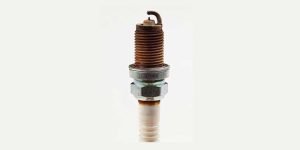
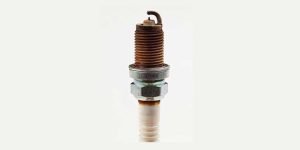
Look over the air filter and clean or replace it if dirty. Check the spark plug for wear or buildup and replace if needed. Examine belts, blades, and tires for damage. Fix or replace parts to ensure safe and efficient mowing.

Credit: nelsontractorco.com

Credit: trimyxs.com
Frequently Asked Questions
How Do I Prepare Mower Oil For Storage?
To prepare mower oil for storage, run the engine briefly to circulate fresh oil. Then, drain old oil and replace it with fresh, clean oil. This prevents engine corrosion and keeps parts lubricated during storage.
Can I Store A Mower With Old Oil Inside?
Storing a mower with old oil is not recommended. Old oil contains contaminants that can damage the engine. Always replace old oil with fresh oil before storage to protect engine components and ensure smooth startup next season.
How Long Can Mower Oil Stay In Storage?
Mower oil can be stored safely for up to five years if kept sealed and in a cool, dry place. Avoid exposure to heat and moisture, which degrade oil quality and reduce its effectiveness.
Should I Change Mower Oil Before Winter Storage?
Yes, changing mower oil before winter storage is essential. Fresh oil prevents engine corrosion and removes dirt and debris. This maintenance step ensures your mower stays in good condition during off-season months.
Conclusion
Storing your mower with oil helps keep it ready and working well. Clean the mower before storage to avoid damage. Use fresh oil to protect the engine parts. Store the mower in a dry, cool place away from rain. Check the oil level regularly, even when not in use.
Taking these steps saves money and time on repairs. Your mower will last longer and run smoothly each season. Simple care makes a big difference. Keep your mower safe and ready for the next job.