If you want your mower blades to stay sharp and last longer, knowing how to store them properly is key. You might not realize it, but the way you keep your blades can make a big difference in their performance and safety.
Imagine reaching for your mower, only to find dull or rusty blades that ruin your lawn and waste your time. Don’t let that happen to you. You’ll discover simple, effective tips to store your mower blades the right way. Keep reading to protect your blades and make your mowing easier and more efficient every time.
Choosing The Right Storage Location
Choosing the right place to store mower blades is key to keeping them sharp and rust-free. The right spot protects the blades from damage and helps them last longer. Consider the environment and safety when picking a storage location.
Dry And Cool Environment
Store mower blades in a dry, cool place away from heat sources. High temperatures can weaken the metal. A cool area prevents warping and keeps blades in good shape. Avoid spots near direct sunlight or heaters.
Avoiding Humidity And Moisture
Moisture causes rust and dulls blades quickly. Avoid basements or garages prone to dampness. Use a dehumidifier if needed to keep air dry. Keep blades off the floor to prevent contact with water or condensation.
Safe And Accessible Spot
Pick a place that is safe and easy to reach. Store blades where children and pets cannot access them. Use a sturdy container or hang blades on a wall rack. This keeps blades organized and prevents accidents.

Credit: trimyxs.com
Preparing Blades Before Storage
Properly preparing mower blades before storage protects them from damage. It also keeps them ready for the next use. Taking a few simple steps helps maintain blade sharpness and prevents rust. Follow these key actions to prepare your blades well.
Cleaning Off Grass And Debris
Remove all grass clippings and dirt from the blades. Use a brush or cloth to wipe off stuck debris. Avoid using water at this stage to prevent rust. Clear blades work better and stay sharper longer during storage.
Drying The Blades Thoroughly
Make sure blades are completely dry before storing. Moisture causes rust and blade damage over time. Use a dry cloth to wipe blades and air dry if needed. Store blades in a dry, ventilated place to keep them safe.
Sharpening And Balancing
Sharpen blades to maintain cutting performance. Dull blades tear grass and strain your mower. Use a file or sharpening tool for an even edge. Check blade balance to avoid vibration and wear. Balanced blades extend mower life and improve cuts.
Protecting Blades From Rust And Damage
Protecting mower blades from rust and damage extends their life and keeps them sharp. Proper care prevents corrosion and reduces the risk of blade failure. A few simple steps help maintain blades in good condition during storage.
Applying Protective Coatings
Coatings create a barrier against moisture and air. Light oil, spray-on lubricants, or specialized blade protectants work well. Apply a thin, even layer on all blade surfaces. This layer stops rust from forming and keeps blades smooth.
Using Rust Inhibitors
Rust inhibitors provide extra protection during long storage periods. Use rust inhibitor sprays or rust-preventive paper wraps. These products contain chemicals that block moisture and oxygen. Keep blades dry before applying rust inhibitors for best results.
Wrapping Or Covering Blades
Wrap blades in cloth, paper, or plastic to keep dirt and moisture away. Use breathable materials like cloth or rust-preventive paper to avoid condensation. Secure the wrapping tightly to prevent dust buildup. Store wrapped blades in a dry, cool place to reduce rust risk.

Credit: www.mowmore.com
Storing Blades Properly
Keep mower blades clean and dry before storing to prevent rust. Store blades in a dry place, away from moisture and dirt. Use a protective cover or wrap to avoid damage and keep edges sharp.
Proper storage of your mower blades can significantly extend their lifespan. Whether you have a few spare blades or a small collection, how you store them can make a big difference. Effective storage prevents rust, maintains their sharpness, and keeps your workspace organized. Let’s dive into some practical ways to store mower blades properly.Hanging Vs. Laying Flat
Choosing between hanging and laying your mower blades flat is a matter of space and preference. Hanging blades on a pegboard can save space and make them easy to access. Just be sure they are securely fastened to prevent accidents. On the other hand, laying blades flat in a drawer or on a shelf can also be effective. Ensure they’re not stacked directly on top of each other to avoid dulling the edges.Using Blade Storage Racks
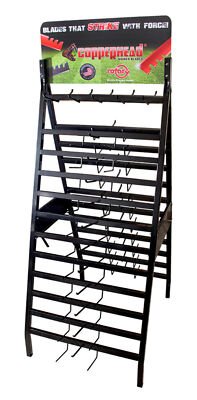
Blade storage racks are a fantastic investment for those with multiple mower blades. These racks are designed to hold blades securely, preventing them from shifting or falling. Racks often come with slots or hooks, allowing you to organize blades by size or type. This setup not only keeps blades in top condition but also helps you quickly find the one you need.Avoiding Contact With Hard Surfaces
Blades should never be stored directly on hard surfaces. Contact with metal or concrete can cause nicks and dull the edges over time. Consider using rubber or soft material liners on shelves or drawers to cushion the blades. This simple tip can preserve their sharpness and prevent unnecessary wear. Have you ever noticed how a small change in storage can make a big difference in maintenance? Keeping blades away from hard surfaces is one such change that can save you time and money in sharpening or replacement.Regular Maintenance During Storage
Regular maintenance during storage is essential to keep your mower blades in top shape and ready for the next cutting season. Neglecting this step can lead to rust, dullness, and damage that shorten the blade’s lifespan. Taking a few minutes every few weeks to care for your blades can save you money and frustration later.
Periodic Inspections
Check your stored mower blades every few weeks for signs of rust, cracks, or dull edges. Early detection helps you address issues before they worsen. You might spot a small rust patch that can be wiped off quickly or a nick that needs sharpening.
Ask yourself: How often do you really inspect your tools when they’re not in use? Making this a habit prevents surprises when you want to start mowing again.
Reapplying Protective Measures
Over time, protective coatings like oil or rust inhibitors can wear off. Reapply these coatings to keep moisture and air from causing rust. Use a light machine oil or a specialized rust-preventative spray for best results.
Keep a small bottle nearby in your storage area so it’s easy to add a fresh layer. This simple step can extend blade life significantly and maintain sharpness.
Rotating Stored Blades
If you store multiple blades, rotate their positions regularly. This prevents uneven exposure to humidity or temperature changes in your storage space. Rotating also ensures that no single blade stays pressed or bent in one spot for too long.
Think about how you rotate tires on your car to even out wear. Doing the same with blades avoids hidden warping or weakening. Could a small change like this improve your blade’s performance?

Credit: mowrator.com
Frequently Asked Questions
How Should I Clean Mower Blades Before Storage?
Remove dirt and grass clippings using a brush or cloth. Wipe blades with oil to prevent rust. Clean blades ensure better performance and longer life.
What Is The Best Place To Store Mower Blades?
Store blades in a dry, cool place away from moisture. Avoid humid areas to prevent rust and corrosion. Proper storage preserves blade sharpness and safety.
Can I Store Mower Blades Attached To The Mower?
It’s best to remove blades for storage. Detaching prevents damage and allows thorough cleaning. Store blades separately to maintain their condition.
How Often Should Mower Blades Be Inspected During Storage?
Check blades every few months for rust or damage. Regular inspection helps catch issues early. Proper care keeps blades ready for use.
Conclusion
Proper storage keeps mower blades sharp and rust-free. Clean blades before storing to remove grass and dirt. Store blades in a dry place, away from moisture. Use a protective cover or wrap blades carefully. Check blades regularly for damage or rust signs.
Safe storage helps blades last longer and work better. Follow these steps to protect your mower blades easily. Keep your lawn mower ready for the next use. Simple care makes a big difference in blade life.