Winter is coming, and your lawn mower needs special care before you tuck it away. If you store it the wrong way, you could face costly repairs or a mower that won’t start next spring.
But don’t worry—you’re just a few simple steps away from keeping your mower in great shape all winter long. Ready to learn how to protect your investment and save time and money? Keep reading, and you’ll discover the easy, effective way to store your lawn mower for winter.
Prepare The Mower
Preparing your lawn mower for winter is key to keeping it in good shape. It stops rust, damage, and wear during cold months. Taking time now saves trouble later. Let’s focus on important steps to get your mower ready.
Clean The Deck And Blades
Remove grass, dirt, and debris from the deck and blades. Use a brush or scraper for stuck-on material. Clean parts prevent rust and help the mower work well next season. Wipe down with a damp cloth to finish.
Inspect For Damage
Look closely at the mower for cracks, rust, or loose parts. Check wheels, cables, and bolts. Fix or replace any broken pieces. A thorough check keeps your mower safe and ready for use.
Sharpen The Blades
Dull blades tear grass and strain the mower. Sharpen blades with a file or grinder for a clean cut. Balanced, sharp blades help your lawn stay healthy. Always wear safety gear while sharpening.
Drain Or Stabilize Fuel
Proper fuel care is essential before storing your lawn mower for winter. Old gas can clog the carburetor and cause engine problems. Draining or stabilizing fuel helps keep the mower ready for spring. Take time to handle the fuel to protect your equipment.
Empty The Gas Tank
Emptying the gas tank prevents fuel from becoming stale. Run the mower until it stops from lack of fuel. This clears the carburetor and fuel lines. Use a fuel siphon pump for safe draining. Store the gas in an approved container if you want to keep it.
Add Fuel Stabilizer
Fuel stabilizer keeps gasoline fresh longer. Pour the recommended amount into a full gas tank. Run the mower for a few minutes to mix the stabilizer. This prevents fuel breakdown and gum deposits. Using stabilizer helps avoid starting issues in spring.
Change The Oil
Changing the oil in your lawn mower before winter is essential. Old oil can cause damage and reduce engine life. Fresh oil keeps the engine clean and ready for spring.
Used oil contains dirt and metal particles. These can harm the engine if left inside over winter. Clean oil prevents corrosion and wear. It also helps the mower start easily next season.
Choose The Right Oil
Select the oil type recommended in your mower’s manual. Usually, SAE 30 or 10W-30 works well for most models. Using the correct oil keeps the engine running smoothly.
Warm Up The Engine
Run the mower for a few minutes before changing the oil. Warm oil drains faster and removes more dirt. Turn off the engine and let it cool slightly.
Drain The Old Oil
Place an oil pan under the drain plug. Remove the plug carefully and let the oil drain completely. Dispose of used oil safely at a recycling center.
Replace The Oil Filter
Remove the old oil filter if your mower has one. Install a new filter to keep the engine clean. Follow the manual’s instructions for proper installation.
Refill With Fresh Oil
Pour the new oil into the fill hole slowly. Use a funnel to avoid spills. Check the oil level with the dipstick and add more if needed.

Credit: www.reddit.com
Remove Or Charge The Battery
Remove the battery from the lawn mower to prevent damage during winter. Charge the battery fully before storing it in a cool, dry place. This helps keep the battery healthy for the next season.
Storing your lawn mower properly for winter ensures its longevity. One crucial step is managing the battery. The battery is the heart of the mower’s electrical system. Taking care of it prevents damage and extends its life. Here’s how to handle the battery before winter sets in.Disconnect And Store The Battery
First, turn off the mower and remove the key. Safety first. Locate the battery, usually found under the seat or hood. Use a wrench to disconnect the negative cable first. This prevents electric shocks. Follow with the positive cable. Keep the cables away from the battery terminals. Store the battery in a cool, dry place. A garage shelf works well. This prevents freezing and corrosion.Use A Battery Charger
Charging the battery before storage is wise. A fully charged battery lasts longer. Use a battery charger to top it off. Connect the charger to the battery. Follow the charger’s instructions carefully. Avoid overcharging by setting a timer. Check the battery periodically during winter. Charge it again if needed. This ensures it’s ready for spring use.Protect Moving Parts
Protecting the moving parts of your lawn mower is key to keeping it running smoothly after a long winter. These components face wear and tear during use, and neglecting them before storage can lead to rust, stiffness, or even breakage. Taking a little time now to care for these parts can save you from costly repairs and frustration in the spring.
Lubricate Bearings And Cables
Lubricating the bearings and cables prevents rust and keeps everything moving freely. Use a light machine oil or a spray lubricant designed for small engines. Focus on areas like wheel bearings, throttle cables, and any pivot points.
Applying lubricant is simple. Wipe off dirt and old grease first, then apply a small amount. Avoid over-lubricating, as excess oil can attract dust and grime, which causes more harm than good.
Check And Tighten Bolts
Loose bolts can cause parts to shift or vibrate excessively during use, leading to damage. Before storing your mower, check all bolts and screws for tightness. Pay special attention to those securing the blade, engine mounts, and wheels.
Using the right tools, tighten any loose bolts until snug but be careful not to over-tighten and strip the threads. You might be surprised how many small issues start with a simple loose bolt.
Choose The Right Storage Spot
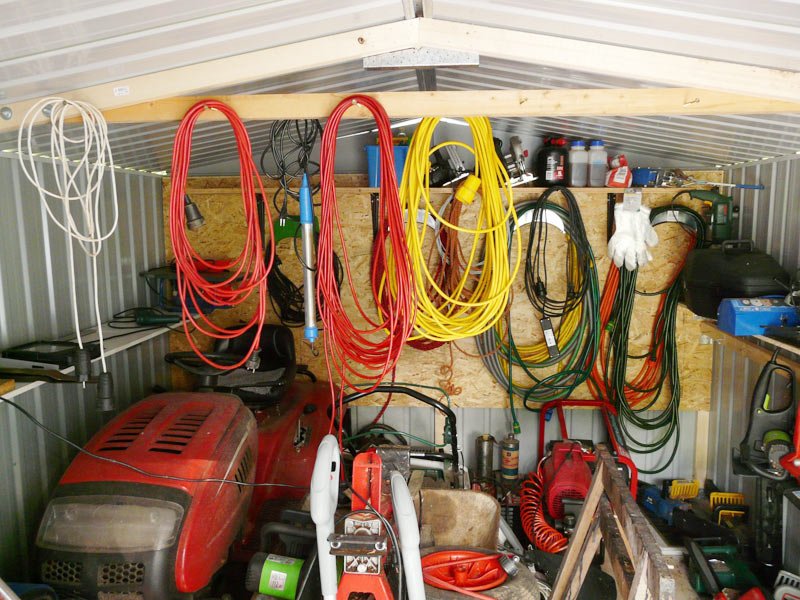
Choosing the right spot to store your lawn mower during winter is very important. A good location protects the mower from weather damage and keeps it in good condition. The place should be safe from moisture and pests. It should also allow easy access for maintenance before the next mowing season.
Store In A Dry, Covered Area
Find a place that stays dry and protected from rain and snow. A garage, shed, or basement works well. Avoid storing the mower outside or in damp spaces. Moisture can cause rust and damage engine parts. Cover the mower with a breathable tarp to stop dust but allow air flow.
Elevate Off The Ground
Keep the mower raised above the floor. Use blocks, shelves, or a pallet. This stops water from pooling under the mower. It also helps prevent rust and keeps pests away. Elevating improves air circulation around the mower, reducing moisture buildup.
Cover And Maintain During Winter
Protecting your lawn mower during winter is more than just tucking it away. Proper covering and occasional maintenance prevent rust, keep pests away, and ensure your mower is ready to go when spring arrives. Let’s look at how the right cover and some simple checks can save you time and money.
Use A Breathable Cover
Choosing the right cover is crucial. A breathable cover lets moisture escape, stopping condensation that leads to rust and corrosion.
A plastic tarp might seem like a good idea, but it traps moisture. Instead, opt for covers made from fabrics like canvas or specially designed breathable materials. These keep your mower dry without suffocating it.
Make sure the cover fits well—too loose and it can flap in the wind, causing scratches; too tight and it might trap moisture. Have you checked if your cover allows air circulation around the engine and blades?
Perform Mid-winter Checks
Don’t just forget about your mower once it’s covered. Mid-winter checks help catch problems early and keep your machine in peak condition.
- Look under the cover for signs of moisture or pest nests.
- Check the oil level and condition; old oil can thicken and cause engine damage.
- Inspect the fuel system for leaks or stale fuel that might gum up the engine.
These simple inspections take just minutes but can prevent costly repairs. Have you considered setting a reminder to check your mower every few weeks?

Credit: www.youtube.com

Credit: trimyxs.com
Frequently Asked Questions
How Do I Prepare My Lawn Mower For Winter Storage?
To prepare your lawn mower, clean it thoroughly and remove grass clippings. Drain or stabilize the fuel to prevent damage. Change the oil and sharpen the blades. Store the mower in a dry, sheltered place to avoid rust and corrosion during winter.
Should I Empty The Fuel Tank Before Storing A Mower?
Yes, emptying the fuel tank prevents fuel from degrading and gumming up the carburetor. Run the engine until it stops or use a fuel stabilizer to keep fuel fresh. This helps avoid costly repairs and keeps your mower ready for spring.
Where Is The Best Place To Store A Lawn Mower In Winter?
Store your lawn mower in a dry, cool, and well-ventilated area. A garage or shed is ideal to protect it from moisture and cold. Avoid damp basements or outdoor exposure, which can cause rust and damage to engine parts.
How Often Should I Check My Mower During Winter Storage?
Check your mower every 4 to 6 weeks during winter storage. Inspect for moisture, rust, or pest issues. Run the engine briefly if possible to keep parts lubricated. Regular checks ensure your mower stays in good condition for spring use.
Conclusion
Properly storing your lawn mower keeps it ready for next spring. Clean the mower, drain fuel, and check oil before storage. Keep it in a dry, sheltered place to avoid rust. Cover the mower to protect it from dust and moisture.
Regular winter care saves money on repairs later. Take these simple steps for a mower that works well. Ready to cut grass again when warmer days arrive. Easy and smart storage means less hassle next season.