Are you ready to give your lawn mower the care it deserves this summer? Storing your mower properly can save you time, money, and frustration when it’s time to use it again.
If you leave it out in the sun or rain, you risk damaging important parts and shortening its life. But don’t worry – with a few simple steps, you can keep your mower in top shape all season long. Keep reading to discover exactly how to store your lawn mower for summer, so it’s ready to go when you need it most.

Credit: www.lawnsite.com
Prepare The Mower
Preparing your lawn mower for summer storage helps keep it in good shape. Proper care prevents rust, damage, and costly repairs. Taking time now saves effort later when you start mowing again.
Clean The Deck And Blades
Remove grass clippings and dirt from the mower deck. Use a brush or cloth for easy cleaning. Clear away stuck debris around the blades. This stops rust and keeps the mower ready to use.
Inspect For Damage
Check the mower for cracks, loose parts, or worn areas. Look at the wheels, handle, and engine housing. Fix or replace damaged parts before storing. This avoids bigger problems next season.
Sharpen The Blades
Dull blades tear grass instead of cutting cleanly. Use a file or blade sharpener to restore the edge. Sharp blades improve lawn health and mower performance. Wear gloves for safety during sharpening.

Credit: nelsontractorco.com
Drain Or Stabilize Fuel
Properly handling the fuel in your lawn mower before storing it for summer is essential to keep the engine running smoothly when you start it up again. Fuel left inside can degrade, causing clogs and damage that could cost you time and money. You have two clear choices: either empty the gas tank completely or add a fuel stabilizer to preserve the fuel’s quality.
Empty The Gas Tank
Emptying the gas tank removes any chance of stale fuel causing problems. You can do this by running the mower until it stops, using up all the gas. This method ensures no old fuel sits in the system to gum up carburetors or fuel lines.
Alternatively, you can siphon the gas out if you prefer not to run the mower dry. Just be careful to store the fuel safely or dispose of it properly. Have you ever faced a mower that wouldn’t start after storage? Stale fuel is often the culprit.
Add Fuel Stabilizer
If you don’t want to empty the tank, adding a fuel stabilizer is a smart way to keep the gas fresh for months. The stabilizer prevents the fuel from breaking down and forming varnish or gum inside the engine.
Simply pour the recommended amount of stabilizer into a full tank of gas, then run the mower for a few minutes to circulate the treated fuel through the system. This approach saves you the hassle of refueling next season and keeps your mower’s engine cleaner.
Which method suits your routine better—emptying the tank or using stabilizer? Both protect your mower, but the right choice depends on your preference and storage conditions.
Change The Oil
Changing the oil is a key part of storing your lawn mower for summer. Clean oil keeps the engine safe and ready for the next season. Old oil can cause damage and make the mower hard to start later. Fresh oil protects engine parts and helps avoid rust and corrosion.
Changing the oil is simple but important. It extends the mower’s life and ensures it runs smoothly after storage. Take time to do it right to avoid costly repairs.
Gather The Necessary Tools And Materials
- New oil (check your mower’s manual for type)
- Oil drain pan or container
- Wrench or socket set
- Clean rag or paper towels
- Funnel for pouring oil
Drain The Old Oil
Run the mower for a few minutes to warm the oil. Warm oil drains faster and more completely. Turn off the mower and disconnect the spark plug wire for safety.
Place the drain pan under the oil drain plug. Use a wrench to remove the plug carefully. Let all the old oil drain into the pan. Dispose of the oil properly.
Replace The Oil Filter (if Applicable)
Check if your mower has an oil filter. Replace it according to the manual instructions. A new filter helps keep the new oil clean and protects the engine.
Refill With Fresh Oil
Replace the drain plug tightly. Use a funnel to pour the new oil into the fill hole. Add the exact amount suggested in the manual. Avoid overfilling to prevent engine damage.
Check the oil level with the dipstick. Add more oil if needed until it reaches the correct level.
Clean Up And Store Safely
- Wipe any oil spills from the mower
- Dispose of old oil at a recycling center
- Reconnect the spark plug wire
- Store the mower in a dry, shaded place
Remove Or Charge The Battery
Remove the battery from your lawn mower to prevent damage during storage. Charge it fully before storing to keep it healthy and ready for use.
Storing your lawn mower during summer ensures it remains in top condition. One crucial step involves handling the battery correctly. Batteries can degrade if left unattended. Ensuring they are stored or charged properly can extend their life. Here are simple steps to manage your lawn mower battery.Disconnect The Battery
Begin by turning off the lawn mower. This is vital for safety. Find the battery compartment, usually under the seat or hood. Use a wrench to loosen the bolts on the battery terminals. Remove the negative (black) cable first. This prevents short circuits. Follow with the positive (red) cable. Keep the cables separate to avoid accidental contact.Store Battery Properly
Place the battery in a cool, dry place. This prevents overheating or moisture damage. Avoid direct sunlight or damp areas. Use a wooden shelf or plastic container. These materials help in absorbing excess moisture. If you have a battery charger, charge the battery to full capacity. Recharge it every month to maintain its health. Check for leaks or corrosion regularly. Clean any buildup with a mixture of baking soda and water. This ensures the battery remains in good condition for the next season.Protect The Mower
Protecting your lawn mower during the summer is key to keeping it in top shape for the next mowing season. Proper protection prevents rust, damage, and deterioration caused by dust, moisture, and pests. Taking a little extra time now saves you money and hassle later.
Choose A Storage Location
Select a dry, well-ventilated area to store your mower. Avoid places that get direct sunlight or are prone to dampness, such as basements or outdoor sheds without ventilation.
Think about accessibility too—can you easily reach your mower when the season returns? A garage or a covered porch often works best, keeping your mower safe from weather and curious critters.
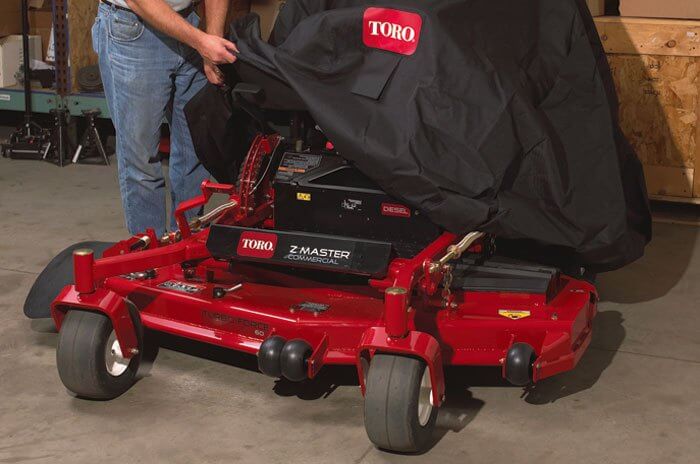
Cover The Mower
Using a proper cover shields your mower from dust and moisture. A breathable, water-resistant cover is ideal; it prevents condensation build-up that can cause rust.
Don’t just grab any tarp—choose one designed for lawn equipment. This ensures the cover fits well and provides adequate protection without trapping moisture underneath.
Have you ever found your mower covered in dirt and spider webs after a careless storage? A good cover stops that and keeps your machine ready to go.
Check Tires And Moving Parts
Before storing your lawn mower for the summer, it’s essential to check the tires and moving parts carefully. These components can wear out or seize up if left unattended during the off-season. Taking time now can save you frustration and repair costs later.
Inflate Tires
Underinflated tires can cause uneven cutting and stress on your mower’s engine. Use a tire pressure gauge to check each tire’s pressure against the recommended level found in your mower’s manual.
If you find the tires soft, add air until they reach the correct PSI. This simple step keeps your mower balanced and ready to roll when the grass starts growing again.
Lubricate Moving Parts
Dry or rusty moving parts can cause your mower to jam or break down. Apply a light machine oil or spray lubricant to all pivot points, cables, and wheel bearings.
Pay special attention to the mower deck and blade spindles. Lubrication helps these parts move smoothly and prevents corrosion during storage.
Schedule Maintenance For Next Season
Scheduling maintenance for your lawn mower before summer storage keeps it ready for next season. Proper care prevents rust, corrosion, and mechanical problems. It also extends the mower’s life and saves money on repairs.
Take time to inspect and fix small issues early. This avoids bigger problems when mowing season returns. A well-maintained mower runs smoother and cuts grass better.
Check And Change The Oil
Old oil can damage the engine. Drain the oil and replace it with fresh oil. Use the type recommended in your mower’s manual. This keeps the engine clean and running smoothly.
Clean Or Replace The Air Filter
A dirty air filter reduces engine performance. Remove the air filter and clean it with soap and water if reusable. Replace it if it looks worn or damaged. Clean air helps the engine breathe better.
Inspect And Sharpen The Blades
Dull blades tear grass instead of cutting it cleanly. Remove the blades carefully and sharpen them with a file or grinder. Replace blades if they are bent or severely damaged. Sharp blades improve lawn health.
Check Spark Plug Condition
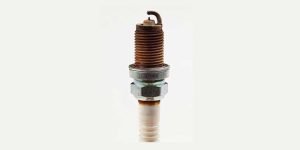
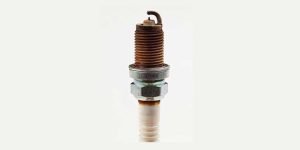
Remove the spark plug and check for wear or deposits. Clean it with a wire brush or replace it if needed. A good spark plug ensures easy starting and smooth engine running.
Lubricate Moving Parts
Apply oil or grease to wheels, cables, and other moving parts. This prevents rust and keeps parts moving freely. Proper lubrication reduces wear and tear.
Inspect Fuel System
Empty old fuel from the tank and carburetor. Old fuel causes clogging and poor engine performance. Use fresh fuel with stabilizer before storing or starting again.
Credit: www.yardcare.com
Frequently Asked Questions
How Do I Prepare My Lawn Mower For Summer Storage?
Clean the mower thoroughly, drain the fuel, and change the oil. Remove the battery if applicable. Store it in a dry, cool place to prevent rust and damage.
Should I Remove The Blade Before Storing The Mower?
It’s best to remove and sharpen the blade before storage. This prevents damage and ensures the blade is ready for use when mowing season returns.
How Often Should I Check My Mower During Summer Storage?
Check your mower every few weeks for signs of rust or leaks. Ensure it remains clean and dry to maintain optimal condition throughout summer storage.
Can I Store A Lawn Mower With Fuel Inside?
It’s safer to drain the fuel before storing your mower. Old fuel can cause engine problems and make starting the mower difficult next season.
Conclusion
Storing your lawn mower properly protects it during summer months. Clean the mower well to remove dirt and grass. Drain the fuel or add a fuel stabilizer to keep the engine safe. Store the mower in a dry, cool place to avoid rust.
Check the tires and blade before storing. Taking these steps helps your mower last longer. Ready for next season with less repair work. Simple care makes a big difference. Keep your mower ready to go when spring returns.