Struggling to start your car due to bad spark plugs can be incredibly frustrating, especially when you’re in a hurry. Imagine turning the key, only to hear the engine stutter or refuse to start altogether.
You’re not alone in this predicament, and there’s no need to panic. You might think that dealing with faulty spark plugs requires a trip to the mechanic, but there are simple steps you can take to get your car running again.
In this guide, you’ll discover practical tips and tricks to start your car even when your spark plugs aren’t in their best shape. Keep reading to learn how you can tackle this problem head-on and regain control of your vehicle, saving both time and money.
Credit: www.youtube.com
Symptoms Of Bad Spark Plugs
Spotting the symptoms of bad spark plugs early can save you from getting stranded or facing costly repairs. Spark plugs play a crucial role in igniting the fuel in your engine, so any issue with them directly affects how your car runs. Recognizing these signs helps you act fast and keep your vehicle in good shape.
Engine Misfires
One of the most common signs of bad spark plugs is engine misfires. Your car might jerk or stumble unexpectedly while driving, especially under acceleration. Have you noticed the engine sound a bit rough or uneven lately? This happens because the spark plug fails to ignite the fuel properly, causing incomplete combustion.
If you ignore this, it can lead to more serious engine damage. Catching misfires early helps you avoid a breakdown on the road and improves your car’s performance.
Poor Fuel Economy
Bad spark plugs can cause your car to use more fuel than usual. You might find yourself filling up the tank more often without changing your driving habits. Why pay extra at the pump if a simple spark plug replacement can fix this?
When spark plugs don’t fire efficiently, the engine burns more fuel to keep running. This inefficiency not only costs you money but also harms the environment with increased emissions.
Hard Starting
Struggling to start your car is another clear symptom of bad spark plugs. Does your engine crank longer than normal before it finally turns on? This delay occurs because the spark plugs can’t generate the spark needed to ignite the fuel-air mixture quickly.
Think about those cold mornings when your car just won’t start smoothly. Often, worn spark plugs are the culprit. Fixing them can save you time and frustration every time you get behind the wheel.
Tools Needed For Quick Fixes
Fixing bad spark plugs fast requires a small set of tools. Having the right tools ready saves time and effort. These tools help you check, clean, and replace spark plugs quickly. Here is a list of essential tools for quick fixes.
Basic Hand Tools
- Spark plug socket wrench for easy removal
- Ratchet handle for turning the socket
- Extension bar for hard-to-reach plugs
- Gap gauge to measure spark plug gaps
- Pliers for gripping and pulling wires
Spark Plug Tester
A spark plug tester checks if the plug sparks properly. It helps diagnose faulty plugs without removing them from the engine. This tool is simple and gives quick results. It saves time by confirming the problem before any replacement.
Cleaning Supplies
- Wire brush to clean carbon deposits
- Carburetor cleaner for removing grease
- Compressed air to blow out dirt
- Clean cloth or rag to wipe plugs
Temporary Solutions To Start Your Car
Starting a car with bad spark plugs can be tricky. Temporary solutions help get the engine running until proper repairs happen. These quick fixes save time and avoid being stranded.
Temporary methods often improve spark plug performance just enough for a start. Cleaning dirt and deposits can restore some spark. Adjusting the spark plug gap ensures better firing. Using starter fluid boosts ignition in tough cases.
Cleaning Spark Plugs
Remove the spark plugs carefully. Use a wire brush to clean off carbon and dirt. Avoid damaging the ceramic part. Clean plugs allow better electrical contact and spark.
Lightly sanding the metal tip can remove stubborn deposits. After cleaning, dry the plugs fully before reinstalling. Clean spark plugs improve spark strength and engine start.
Checking And Adjusting Spark Plug Gap
Use a spark plug gap tool to check the gap size. The gap is the space between the center electrode and ground electrode. Correct gap size ensures strong spark and smooth combustion.
If the gap is too wide or narrow, gently adjust it with the tool. Follow the vehicle’s recommended gap size found in the manual. Proper gap adjustment helps the car start easier.
Using Starter Fluid
Spray a small amount of starter fluid into the air intake. Starter fluid ignites easily and helps start the engine quickly. Use it only in short bursts to avoid damage.
This method works best when spark plugs are weak or fouled. After spraying, crank the engine immediately for faster ignition. Starter fluid provides a quick boost for a reluctant engine.

Credit: www.reddit.com
When To Replace Spark Plugs
Spark plugs play a crucial role in starting your car smoothly. Over time, they wear out and lose efficiency. Knowing when to replace spark plugs saves you from engine troubles and poor performance. Watch for signs that indicate wear and understand the replacement process. Choose the right spark plugs to keep your car running well.
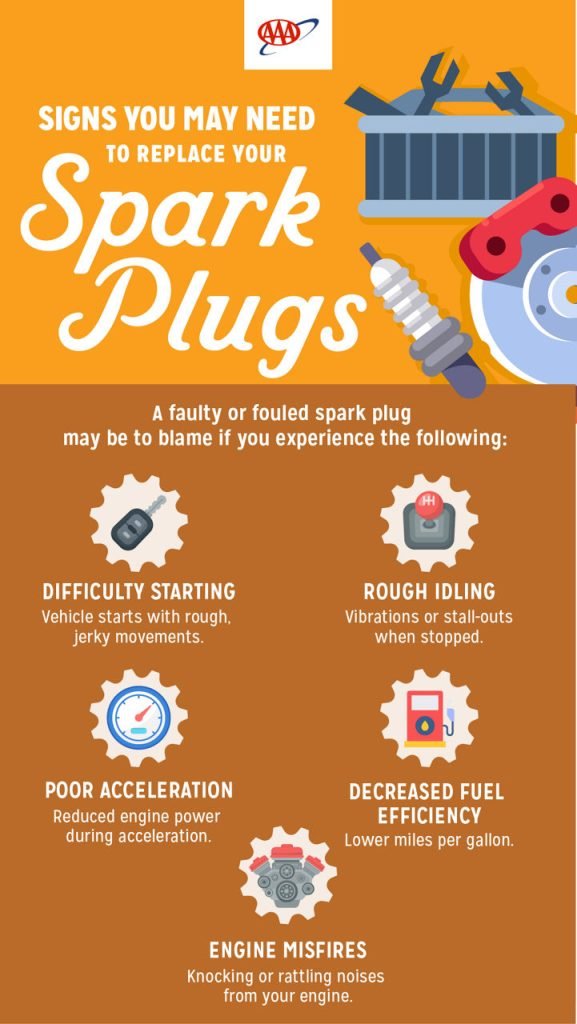
Signs Of Wear
- Engine misfires or runs rough
- Difficulty starting the car
- Reduced fuel efficiency
- Unusual engine noises
- Visible damage or corrosion on plugs
Notice these signs early to avoid bigger problems. Regular inspection helps catch worn spark plugs before failure.
Choosing The Right Spark Plugs
Select plugs that match your car’s make and model. Check the owner’s manual for recommended types. Consider plug materials like copper, platinum, or iridium. Each type offers different durability and performance.
Choose plugs designed for your engine’s needs. Quality spark plugs improve fuel economy and engine power.
Replacement Procedure
- Allow the engine to cool completely
- Remove the spark plug wires carefully
- Use a spark plug socket to unscrew old plugs
- Check the gap on new spark plugs before installation
- Install new plugs and tighten securely
- Reconnect spark plug wires properly
Replacing spark plugs is simple with basic tools. Proper installation ensures better ignition and smoother starts.
Preventive Maintenance Tips
Preventive maintenance helps avoid problems with spark plugs. Keeping spark plugs in good shape improves car start-up and engine performance. Small efforts save time and money on repairs later.
Regular Inspection
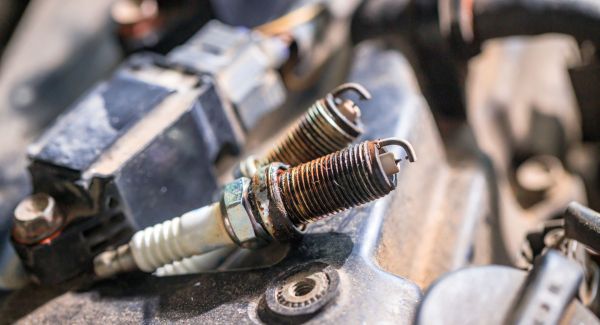
Check spark plugs often for wear and dirt. Look for cracks, corrosion, or buildup on the tips. Clean or replace them if damaged. Regular checks catch issues before they stop your car from starting.
Proper Installation
Install spark plugs carefully to avoid damage. Use the right tools and follow the car manual’s torque guide. Loose or too tight plugs cause poor connection and engine misfires. Proper fit ensures a steady spark every time.
Using Quality Fuel
Use clean, high-quality fuel to keep spark plugs clean. Low-grade fuel leaves deposits that clog plugs and reduce performance. Quality fuel burns cleaner, helping spark plugs last longer and work better.
Credit: www.waynesgarageinc.net
Frequently Asked Questions
What Are The Signs Of Bad Spark Plugs In A Car?
Bad spark plugs cause rough idling, poor acceleration, and misfires. You may also notice increased fuel consumption and difficulty starting the engine.
Can A Car Start With Faulty Spark Plugs?
Yes, a car can start with bad spark plugs, but it may struggle. The engine might run unevenly or stall frequently until the plugs are fixed.
How To Temporarily Start A Car With Bad Spark Plugs?
Try cleaning the spark plugs and wiring connections. Use starter fluid in the intake to help ignite the fuel-air mix and start the engine.
Should I Replace Or Clean Bad Spark Plugs?
Replacing spark plugs is usually better for performance and reliability. Cleaning can help temporarily but won’t restore full efficiency or longevity.
Conclusion
Starting a car with bad spark plugs can be tricky but doable. Follow simple steps to get your engine running again. Check your spark plugs and clean or replace them if needed. Use good-quality fuel and ensure your battery is charged.
Small fixes often make a big difference. Keep your car maintained to avoid future issues. Remember, patience and care help you get back on the road safely. Don’t ignore spark plug problems for too long. Your car will thank you with smoother starts and better performance.





