Are you tired of your lawn looking more like a patchy quilt than a lush green carpet? The secret might just be hiding beneath your mower.
A sharp lawn mower blade is essential for a clean cut, ensuring your grass is healthy and vibrant. Dull blades can tear the grass, leading to brown tips and an uneven finish. But don’t worry, sharpening your mower blade is easier than you think.
In this guide, you’ll discover simple, foolproof steps to keep your lawn looking its best. Ready to transform your mowing routine and see the difference a sharp blade can make? Keep reading, and you’ll be on your way to the best-looking lawn in the neighborhood.

Credit: compassgm.co.uk
Tools Needed
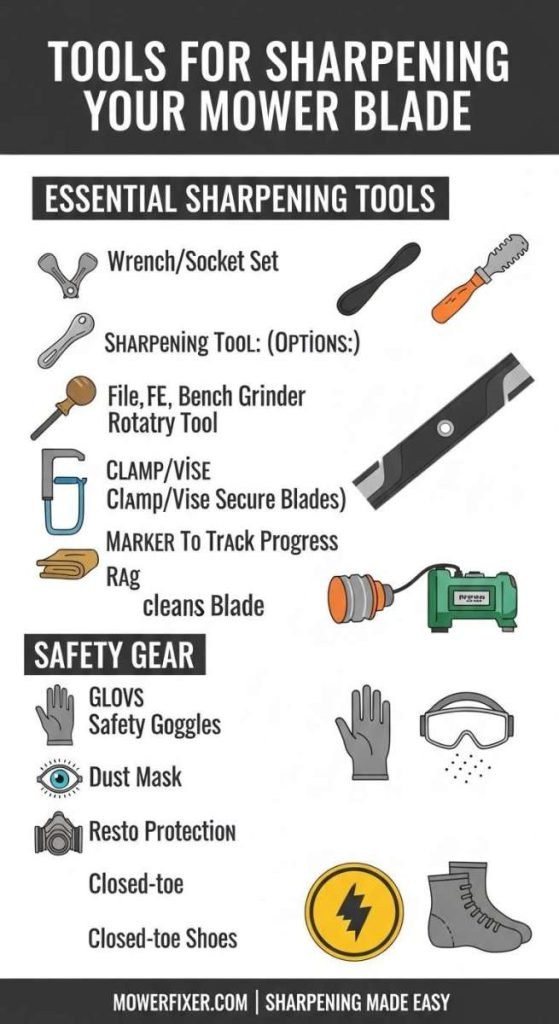
Sharpening a lawn mower blade requires specific tools to get the job done safely and effectively. Having the right equipment makes the process easier and helps achieve a clean, sharp edge. Below, find the main tools you need to prepare before starting the sharpening task.
Essential Sharpening Tools
- Wrench or socket set:To remove the blade from the mower.
- Blade sharpening tool:A file, bench grinder, or rotary tool works well.
- Wire brush:To clean dirt and rust off the blade before sharpening.
- Clamp or vise:To hold the blade steady while sharpening.
- Marker:To mark the blade edge and track your progress.
- Rag or cloth:To wipe the blade clean after sharpening.
Safety Gear
- Gloves:Protect your hands from sharp edges and debris.
- Safety goggles:Shield your eyes from metal filings and sparks.
- Dust mask:Prevent inhalation of dust and particles.
- Closed-toe shoes:Protect your feet during the task.
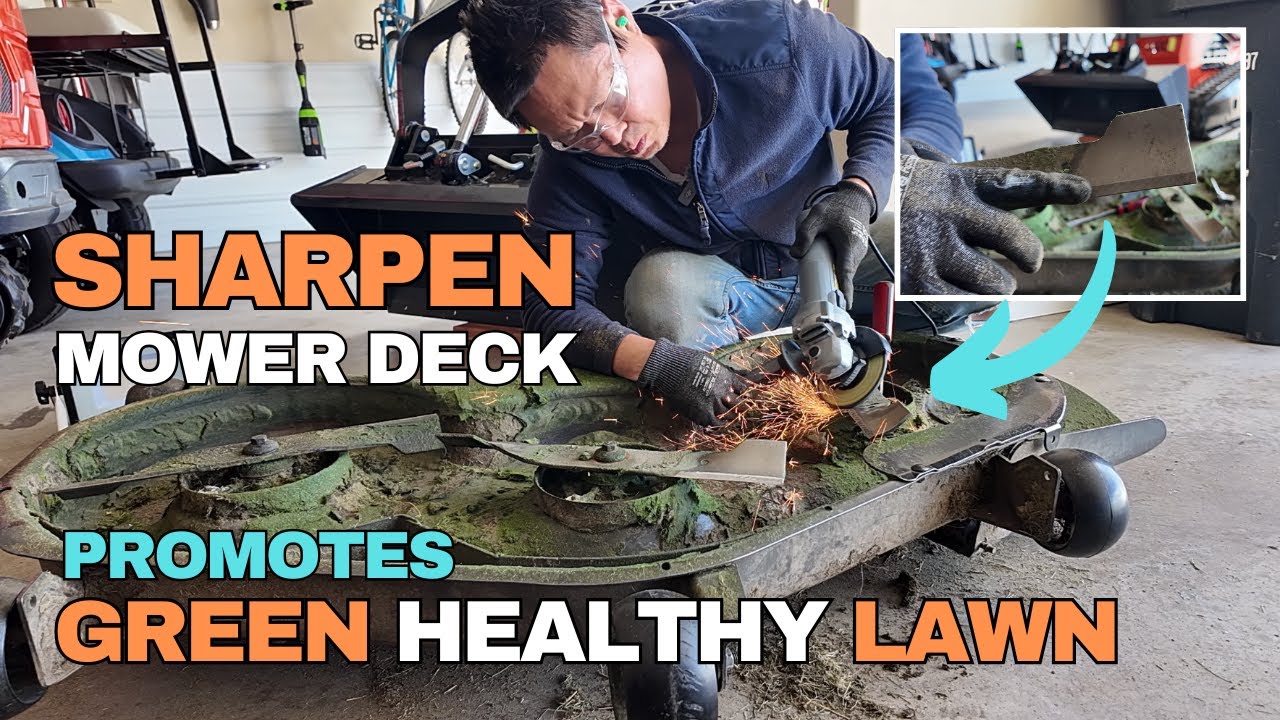
Credit: www.youtube.com
Preparing The Mower
Preparing the mower is an important first step before sharpening its blade. It ensures safety and makes the process easier. Taking a few simple precautions helps avoid accidents and protects the mower parts. Follow these steps carefully to get ready.
Disconnecting Power Sources
Always disconnect the mower from any power source before starting work. For electric mowers, unplug the power cord or remove the battery. This prevents the mower from accidentally starting.
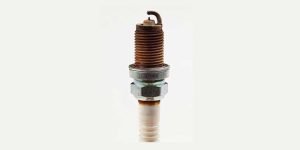
For gas mowers, remove the spark plug wire. This stops the engine from sparking. Keep the wire away from the plug while working on the blade. Safety first.
Removing The Blade
Turn the mower on its side with the carburetor facing up. This avoids fuel leaks. Use gloves to protect your hands from sharp edges.
Use a wrench to loosen the blade bolt. Hold the blade firmly with a block of wood to stop it from turning. Carefully remove the blade and place it on a flat surface for sharpening.
Sharpening Techniques
Sharpening a lawn mower blade is essential for clean, even cuts. Dull blades tear grass, leading to a patchy lawn. Different tools make blade sharpening easier and more precise. Choose a method based on your tools and comfort level.
Using A File
A file is a simple tool for sharpening mower blades. Secure the blade in a clamp or vise. Use a flat metal file to follow the blade’s original angle. Push the file away from you in smooth strokes. Check the blade edge often to avoid over-sharpening. This method is slow but safe and affordable.
Using A Bench Grinder
A bench grinder speeds up the sharpening process. Hold the blade firmly and touch the edge to the spinning wheel. Keep the blade moving to prevent overheating and damage. Match the blade’s angle with the grinder’s wheel. Cool the blade in water regularly to avoid warping. This method is fast but needs care and focus.
Using A Rotary Tool
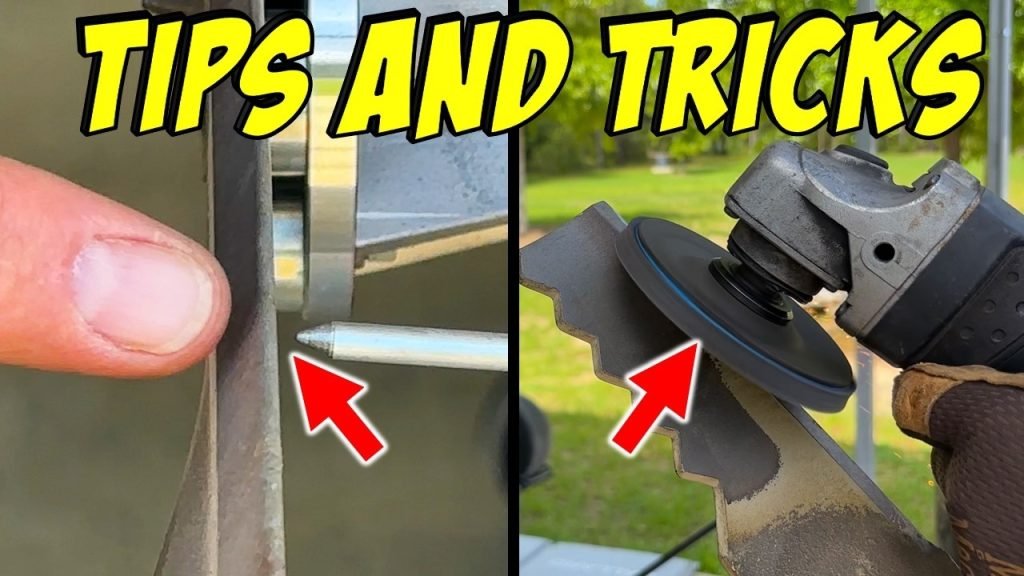
A rotary tool with a grinding attachment works well for small touch-ups. Secure the blade before starting. Lightly grind the edge while keeping the original angle. Use short bursts to avoid overheating. This tool gives control and precision but takes time for full sharpening. Best for minor blade maintenance.
Balancing The Blade
Balancing the blade is a crucial step after sharpening your lawn mower blade. If the blade isn’t balanced, it can cause vibrations that wear down your mower’s engine and other parts faster. A balanced blade ensures smooth operation and a cleaner, more even cut for your lawn.
Why Balance Matters
Have you ever noticed your lawn mower shaking more than usual? That’s often a sign of an unbalanced blade. An unbalanced blade spins unevenly, putting extra stress on the mower’s motor and bearings.
This imbalance can lead to costly repairs and a shorter mower lifespan. It also affects how well your grass is cut. A balanced blade keeps the mower stable and delivers an even cut, making your lawn look healthier and well-maintained.
Methods To Balance
Balancing a blade can be done with simple tools you likely have at home. One common way is to use a blade balancer, a small device designed specifically for this task.
- If you don’t have a balancer, a screwdriver or nail hammered into a wall works well. Hang the blade horizontally on it by the center hole.
- Watch the blade carefully: if one side dips lower, it’s heavier and needs to be filed down slightly on that side.
- Remove small amounts of metal and check again until the blade stays perfectly level when hung.
Try spinning the blade gently while it hangs. It should stop at any position without tipping. If it tips, keep adjusting the weight until it balances evenly.
Balancing might seem tedious, but it saves you from vibration damage and uneven cuts. Have you ever ignored blade balance and regretted it later? Taking a few extra minutes now prevents bigger problems on your mower down the road.
Reinstalling The Blade
Reinstalling the blade after sharpening is a crucial step to ensure your lawn mower runs smoothly and cuts evenly. If the blade isn’t properly aligned or securely fastened, it can cause damage to your mower or even pose safety risks. Paying close attention during this phase will keep your equipment in top shape and your lawn looking pristine.
Proper Alignment
Make sure the blade sits exactly as it was before removal. The cutting edges should face the direction of rotation, which is usually indicated on the blade or in your mower’s manual.
Align the blade so the holes line up perfectly with the mounting bolts. Even a slight misalignment can cause vibrations and uneven cuts.
Have you ever noticed your mower shaking? That’s often due to a misaligned blade. Double-checking alignment can save you from this annoying problem.
Securing The Blade
Use the correct bolts or screws that came with your mower to secure the blade. Tighten them firmly with a wrench, but avoid over-tightening, which can strip threads or damage parts.
Applying a thread-locking compound can help keep bolts from loosening due to vibration. It’s a small step that adds extra safety and durability.
Remember to wear gloves during this process to protect your hands from sharp edges. Also, double-check the torque specs in your manual to ensure the blade is secured to the manufacturer’s recommendations.
Maintenance Tips
Keeping your lawn mower blade sharp isn’t just about cutting grass cleanly—it’s about maintaining your mower’s overall health and improving your yard’s appearance. Regular maintenance helps prevent wear and tear, saving you time and money in the long run. Here are some practical tips to keep your blade in top shape.
When To Sharpen
Knowing the right time to sharpen your blade makes all the difference. Dull blades tear grass instead of cutting it, causing brown tips and making your lawn more vulnerable to disease.
Check your blade after every 20-25 hours of mowing or at least once per mowing season. If you notice uneven cuts or excessive grass clippings, it’s time to sharpen. Also, inspect the blade after hitting rocks or thick debris; damage can happen even in a single pass.
Regular Blade Care
Routine care extends your blade’s life and keeps your mower running smoothly. Always clean the blade after each use to prevent rust and buildup.
- Remove grass clippings and dirt with a brush or cloth.
- Check for nicks or bends that could affect cutting performance.
- Balance the blade after sharpening to avoid vibration and uneven wear.
Have you ever felt your mower vibrating more than usual? It’s often a sign that your blade is out of balance. Taking a few extra minutes for care can make mowing faster and less frustrating.

Credit: www.youtube.com
Frequently Asked Questions
How Often Should I Sharpen A Lawn Mower Blade?
Sharpen your lawn mower blade every 20-25 hours of use. Regular sharpening ensures a clean cut and healthier grass. Dull blades tear grass, causing brown tips and lawn damage. Frequent sharpening improves mower efficiency and extends blade life.
What Tools Do I Need To Sharpen A Mower Blade?
You need a bench grinder, metal file, or sharpening stone. Safety gloves and eye protection are essential. A vice or clamp helps hold the blade steady. These tools ensure a precise and safe sharpening process.
Can I Sharpen A Mower Blade Myself Safely?
Yes, with proper tools and safety precautions, you can sharpen the blade. Always disconnect the spark plug before starting. Wear gloves and eye protection. Follow step-by-step instructions carefully for an effective and safe sharpening experience.
How Do I Balance A Lawn Mower Blade After Sharpening?
Use a blade balancer or hang the blade on a nail. If one side dips, remove more metal from that side. Balanced blades reduce vibration and prevent mower damage. Balancing ensures a smoother and safer mowing experience.
Conclusion
Sharpening your lawn mower blade keeps your grass healthy and neat. Dull blades tear grass, causing brown edges and stress. Regular sharpening helps your mower cut smoothly and saves fuel. Use the right tools and follow safety steps carefully. Check the blade often to keep it sharp all season.
A sharp blade makes mowing easier and your lawn look great. Take a little time to sharpen and enjoy better results. Simple care goes a long way in lawn maintenance.