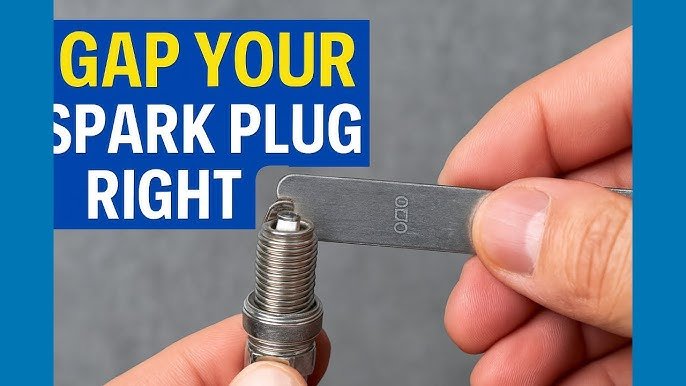
Do you ever wonder why your car’s engine isn’t running as smoothly as it should? The secret might lie in something as small as a spark plug.
Setting the gap on a spark plug is one of those simple yet crucial tasks that can make a significant difference in your vehicle’s performance. Imagine the thrill of your car starting without a hitch, the engine purring contently, all thanks to a simple adjustment you can do yourself.
In this guide, you’ll discover how to set the gap on a spark plug correctly, ensuring your vehicle runs at its best. You’ll save money, boost your car’s efficiency, and gain a handy new skill that puts you in control. Ready to unlock the potential of your vehicle with just a spark plug? Let’s dive in.
Why Spark Plug Gap Matters
Understanding why the spark plug gap matters can save you from costly engine problems and improve your vehicle’s overall performance. The gap affects how the spark ignites the fuel-air mixture, which directly impacts how smoothly your engine runs. If you’ve ever felt your car sputter or hesitate, the spark plug gap might be the hidden cause.
Impact On Engine Performance
The spark plug gap controls the size of the spark jumping between the electrodes. A gap that is too wide can cause weak or inconsistent sparks, leading to misfires and rough idling. On the other hand, a gap that’s too narrow might produce a spark that’s too small to ignite the fuel properly.
In my experience, adjusting the gap to the manufacturer’s specifications made a noticeable difference in acceleration and engine smoothness. You’ll notice your engine responding better and running more reliably when the gap is correct.
Effects On Fuel Efficiency
A correctly gapped spark plug ensures complete combustion of the fuel mixture. Incomplete combustion caused by a wrong gap wastes fuel and increases emissions. This means you could be spending more on gas without realizing the cause.
By maintaining the proper gap, you improve fuel economy and reduce harmful pollutants. Have you checked your spark plug gap recently? It could be an easy fix to lower your fuel costs.
Signs Of Incorrect Gap
How do you know if your spark plug gap is off? Look for signs like poor acceleration, engine misfires, difficulty starting, or increased fuel consumption. These symptoms often point to spark plug issues but can be overlooked.
Another clear sign is a rough idle or unusual engine noises. Checking and adjusting the gap with a feeler gauge is a simple step that can eliminate these problems.

Credit: www.f150ecoboost.net
Tools Needed For Gap Adjustment
Adjusting the gap on a spark plug requires specific tools to ensure precision. Using the correct tools helps maintain engine performance and fuel efficiency. This section highlights essential tools for gap adjustment.
Spark Plug Gap Gauge Types
Spark plug gap gauges measure the distance between the electrodes. Common types include:
- Feeler Gauges:Thin metal strips of known thickness. Slide between electrodes to check the gap.
- Wire-Type Gauges:Flexible wires with specific diameters. Pass the wire through the gap for measurement.
- Coin-Style Gauges:Small discs with set thicknesses. Place between electrodes to verify the gap.
Choosing The Right Tool
Select a tool that fits your spark plug type and your skill level. Wire gauges suit beginners due to ease of use. Feeler gauges offer precise measurements for detailed adjustments. Coin-style gauges provide quick checks but less accuracy. Choose a durable tool to ensure long-term use.
Finding The Correct Gap Measurement
Finding the correct gap measurement for spark plugs is essential for smooth engine performance. The gap affects the spark’s strength and timing. A gap too wide or too narrow can cause misfires or poor fuel efficiency. Precise measurement ensures the spark plug ignites the air-fuel mixture properly. This section guides on how to find the right gap size for your vehicle.
Consulting Manufacturer Specs
The most reliable source for the correct spark plug gap is the vehicle’s manufacturer. These specifications are found in the owner’s manual or repair guide. Manufacturers test and recommend the ideal gap for optimal engine function. Using the specified gap helps avoid engine problems and extends spark plug life. Always check for the latest specs if the vehicle is older or modified.
Differences By Vehicle Type
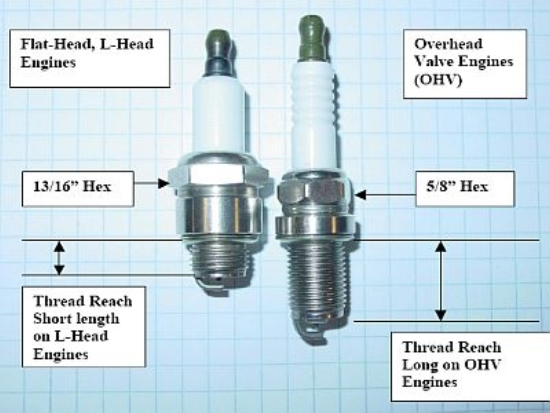
Spark plug gap varies between vehicle types and engine designs. Smaller engines, like those in motorcycles, often need a narrower gap. Larger engines, such as trucks or SUVs, require a wider gap for a stronger spark. High-performance or turbocharged engines also have unique gap requirements. Understanding your vehicle type helps in selecting the correct gap size and maintaining engine health.
Credit: www.vanguardpower.com
Preparing The Spark Plug
Preparing the spark plug is a crucial step before setting the gap. It ensures that the spark plug functions efficiently and lasts longer. Taking time to clean and inspect it can save you from engine troubles down the road.
Cleaning The Spark Plug
Start by removing any dirt, oil, or carbon deposits from the spark plug’s surface. Use a wire brush or a specialized spark plug cleaner to gently scrub the electrodes and threads.
A clean spark plug improves the spark quality and prevents misfires. Avoid using harsh chemicals that can damage the ceramic insulator. Have you noticed how a dirty spark plug can cause rough idling or poor acceleration?
Inspecting For Wear And Damage
Look closely at the electrode tips for signs of wear, such as rounding or erosion. Also, check the ceramic insulator for cracks or chips which can cause misfiring.
Pay attention to the gap area; it should be free from deposits or damage. If the spark plug shows excessive wear or damage, replacing it is better than trying to fix it.
Have you ever tried to adjust the gap on a spark plug that was too worn out? It rarely works well and often leads to engine problems later.
Step-by-step Gap Adjustment
Adjusting the gap on a spark plug is essential for optimal engine performance. Correct spacing ensures proper spark and efficient fuel combustion. Follow these simple steps to set the gap accurately and safely.
Measuring The Current Gap
Start by cleaning the spark plug to remove dirt and debris. Use a spark plug gap gauge to measure the distance between the center and ground electrodes. Insert the gauge gently and check the reading. Compare it to the manufacturer’s recommended gap size for your engine.
Adjusting The Gap Carefully
If the gap is too wide, gently tap the ground electrode on a hard surface to reduce it. If the gap is too narrow, use the gap tool to widen it slowly. Avoid bending the electrode too much to prevent damage. Make small adjustments and handle the spark plug with care to maintain its integrity.
Rechecking The Gap
After adjusting, measure the gap again with the gauge. Confirm that it matches the recommended size exactly. Repeat the adjustment if needed. A precise gap ensures reliable engine starts and smooth running. Proper checking avoids misfires and improves fuel efficiency.
Tips For Maintaining Optimal Spark Plug Gap
Maintaining the correct spark plug gap is crucial for your engine’s performance and fuel efficiency. An optimal gap ensures that the spark ignites the air-fuel mixture properly, avoiding misfires or rough idling. Below are practical tips to help you keep your spark plugs in top shape and your engine running smoothly.
Regular Inspection Schedule
Set a regular schedule to check your spark plug gap, especially if you drive frequently or under tough conditions. Inspect the gap every 10,000 to 15,000 miles to catch any wear or changes early.
Use a feeler gauge to measure the gap accurately. If you notice the gap is wider or narrower than recommended by your vehicle’s manual, adjust it carefully. Small changes can make a big difference in engine performance.
Do you know how often you last checked your spark plugs? Making it a habit can prevent costly repairs later.
Replacing Old Spark Plugs
Even with proper gap maintenance, spark plugs wear out over time and need replacing. Old plugs may have eroded electrodes or deposits that affect the gap and spark quality.
Replace your spark plugs according to your vehicle manufacturer’s guidelines, typically every 30,000 to 50,000 miles. Using new plugs ensures the gap remains stable and your engine runs efficiently.
Keep a record of your replacements. This simple step helps you track when it’s time for new plugs and avoid unexpected engine issues.

Credit: www.youtube.com
Frequently Asked Questions
How Do I Measure Spark Plug Gap Correctly?
Use a spark plug gap tool or feeler gauge to measure the gap. Insert it between the electrodes gently. The tool should slide with slight resistance for an accurate reading.
Why Is Setting Spark Plug Gap Important?
Proper gap ensures optimal combustion and engine performance. It prevents misfires, improves fuel efficiency, and extends spark plug life. Incorrect gaps can cause engine issues or poor mileage.
What Is The Ideal Spark Plug Gap Size?
The ideal gap varies by vehicle and plug type. Check your vehicle’s owner manual or spark plug packaging for the exact measurement. Common gaps range between 0. 028 to 0. 060 inches.
Can I Set Spark Plug Gap Without Tools?
Using tools is highly recommended for accuracy. However, you can visually inspect and adjust the gap with a thin wire or feeler gauge if tools are unavailable.
Conclusion
Setting the correct gap on a spark plug helps your engine run smoothly. It improves fuel efficiency and reduces emissions. Always check the gap with a feeler gauge before installation. Small adjustments make a big difference in performance. Taking time to set the gap right saves money on repairs later.
Keep your spark plugs clean and properly gapped for best results. A well-set spark plug leads to better starts and smoother rides. Simple steps, better engine health.





