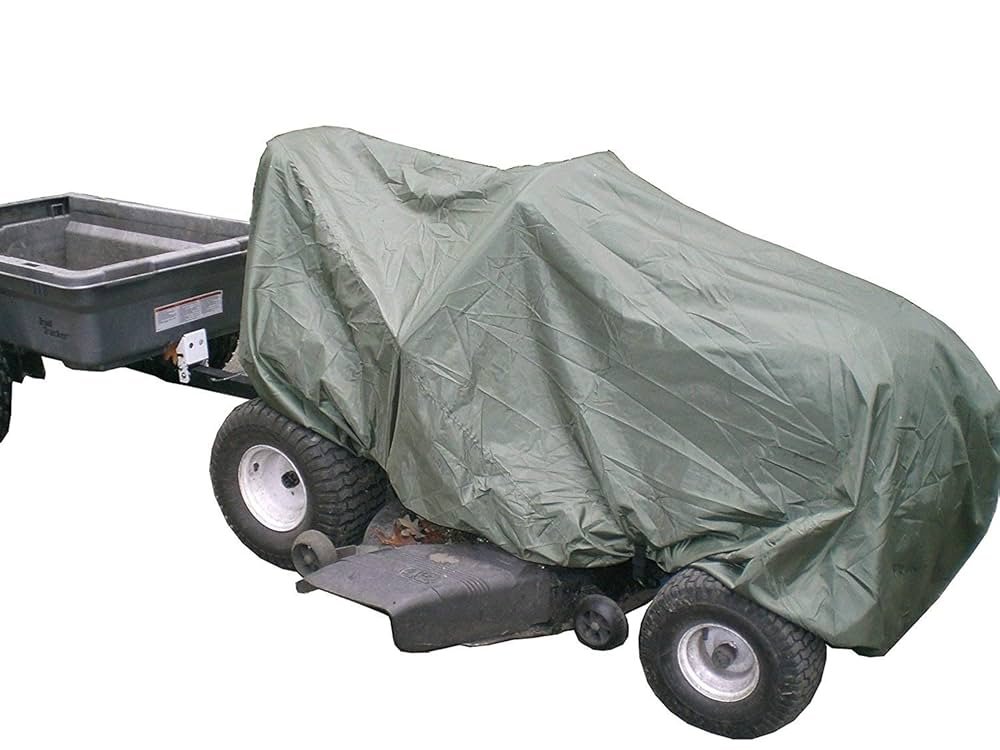
Are you tired of your mower cover blowing away every time the wind picks up? Keeping your mower protected is important, but securing the cover can be tricky.
You want a simple, reliable way to keep that cover in place—without wasting time or money. Using bungee cords is an easy and effective solution you can do yourself. You’ll discover step-by-step tips to fasten your mower cover tightly, so it stays put no matter the weather.
Ready to protect your mower and save yourself hassle? Let’s get started.
Choosing The Right Bungee Cords
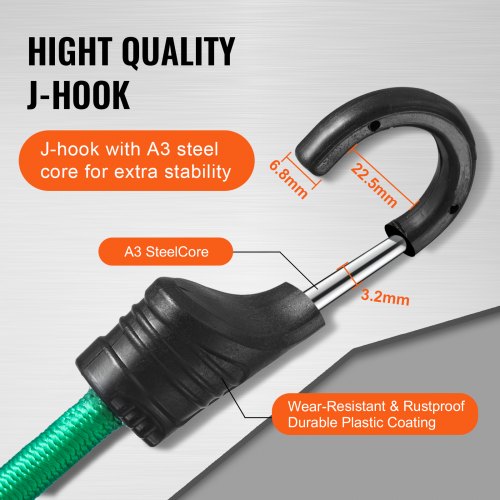
Bungee cordsneed to be strong and last long. Choose cords made of natural rubber or synthetic materialsfor good stretch and durability. Avoid cords that can crack or break easily.
Length and thickness matter. Use cords long enough to wrap around the mower cover and hooks without stretching too much. Thicker cordshold better and last longer, but make sure they fit your mower cover size.
| Type of Hook | Description | Best Use |
|---|---|---|
| S-Hooks | Simple metal hooks shaped like “S” | Easy to attach and remove |
| Carabiner Hooks | Spring-loaded hooks with a gate | Secure hold, quick release |
| Plastic Hooks | Lightweight and rust-free | Good for light-duty use |

Credit: www.ebay.com
Preparing The Mower And Cover
Start by cleaning the mower surfaceto remove dirt and debris. This helps the cover fit better and last longer. Use a soft cloth or brush and some mild soap with water. Let it dry completely before covering.
Choosing the right cover sizeis important. A cover too small won’t protect well. Too big, it will flap in the wind. Measure your mower’s length, width, and height first. Then pick a cover that matches or is slightly bigger.
Place the cover so it fits snugly over the mower. Make sure the cover’s opening is at the bottom or where the mower’s wheels are. This helps the cover stay in place and keeps rain out.
Securing Techniques
Attach the bungee cord to one side of the mower cover. Stretch it tightly over the mower. Hook the other end to the opposite side. This keeps the cover snug and secure.
Use two bungee cords for better hold. Make an X pattern over the cover. Attach one cord diagonally from front to back. Cross the second cord from the other corners. This method prevents the cover from slipping off.
- Secure the cover with at least three cords.
- Place one cord at the front, one in the middle, and one at the back.
- This method provides a tighter fit and holds the cover securely.

Credit: www.amazon.com
Safety Tips For Using Bungee Cords
Avoid overstretchingbungee cords to keep them safe and strong. Stretch only as much as the cord allows. Overstretching can cause the cord to snap suddenly. Snapped cords may hit and hurt you or others nearby. Always use cords of the right length for your mower cover. Use several cords if one is not enough to hold the cover firmly.
Regularly check bungee cords for wear and tear. Look for cracks, frays, or broken hooks. Replace cords that look weak or damaged. Old cords lose their strength and may break easily. Keep new cords ready to swap when needed. This helps avoid accidents during use.
- Hold cords by the middle, away from hooks.
- Wear gloves to protect hands.
- Keep cords away from sharp edges.
- Store cords in a dry, cool place.
- Do not use cords for lifting heavy items.
Maintaining Your Cover And Cords
Store bungee cords in a cool, dry place to keep them strong. Avoid direct sunlight to stop cords from cracking. Coil them loosely to prevent stretching or damage.
Clean mower covers with mild soap and water. Use a soft brush to remove dirt gently. Let the cover air dry completely before storing it.
Check cords and covers regularly for signs of wear. Look for cracks, frays, or loose ends on cords. Repair or replace damaged parts to keep covers secure.
Credit: www.vevor.com
Alternative Securing Options
Strapsor tie-downsoffer strong support for securing mower covers. They wrap tightly around the mower and cover, preventing wind from lifting the cover. These options are easy to adjust and remove, making them practical for daily use.
Weight-based anchorshold covers down by adding extra weight. Heavy objects like bricks or sandbags placed on cover edges stop it from moving. This method is simple and works well on flat surfaces.
Custom fastening solutions involve creating hooks or loops on the cover. These parts attach to the mower frame or wheels. This system keeps the cover in place even during strong winds.
| Option | How It Works | Best Use |
|---|---|---|
| Straps or Tie-Downs | Wrap and tighten around mower and cover | Daily use, easy on/off |
| Weight-Based Anchors | Place heavy objects on cover edges | Flat surfaces, windy areas |
| Custom Fastening | Attach hooks or loops to mower frame | Strong hold, windy conditions |
Frequently Asked Questions
How Do I Secure A Mower Cover With Bungee Cords?
To secure a mower cover, loop bungee cords through cover grommets. Attach hooks to mower frame or wheels. Tighten cords to ensure a snug fit and prevent wind damage.
What Length Bungee Cords Work Best For Mower Covers?
Choose bungee cords 12 to 18 inches long. This length offers flexibility and enough tension to secure the cover tightly without overstretching or damaging it.
Can Bungee Cords Prevent Mower Cover From Blowing Away?
Yes, bungee cords hold the cover firmly in place. They resist wind uplift by keeping the cover tight around the mower, reducing the risk of it blowing away.
How Many Bungee Cords Are Needed To Secure A Mower Cover?
Typically, 4 to 6 bungee cords are enough. Attach them evenly around the cover to ensure balanced tension and complete protection against wind.
Conclusion
Securing your mower cover with bungee cords keeps it safe and tight. This method stops wind from blowing the cover away. It also protects your mower from rain and dust. Using bungee cords is quick and easy. Make sure the cords are strong and fit well.
Regularly check the cords for wear and tear. A well-secured cover helps your mower last longer. Simple steps can save you money and time. Keep your mower ready for the next use. Safe and secure—just how it should be.





