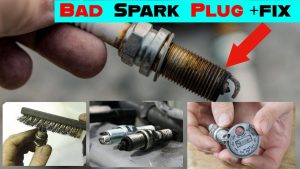
Have you ever found yourself stuck, trying to explain car parts in Spanish? If you want to talk about your vehicle and need the right word for “spark plug,” you’re in the right place.
Knowing how to say spark plug in Spanish can save you time, frustration, and even money when discussing repairs or buying parts. Keep reading, and you’ll learn the exact term and some handy tips to use it confidently in conversation.
Your next trip to the mechanic or auto shop just got a whole lot easier!

Credit: www.amazon.com
Spark Plug Translation
Translating mechanical terms can be tricky. A spark plug is a small but vital car part. Knowing its Spanish translation helps in repairs and conversations. This section explains how to say spark plug in Spanish. It also covers common variations used in different regions.
Direct Spanish Term
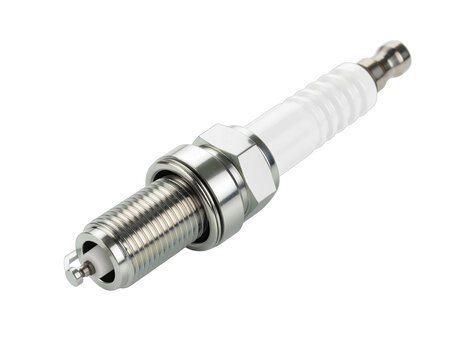
The direct Spanish term for spark plug is “bujía”. This word is widely used across Spanish-speaking countries. Mechanics and car owners understand it easily. It refers specifically to the component inside the engine that creates the spark. Using “bujía” in conversations or manuals is clear and accurate.
Common Variations
Different Spanish-speaking regions sometimes use variations. These depend on local dialects or technical slang. Here are some common examples:
- Electrodo– Focuses on the electrode part of the spark plug.
- Chispero– Used less often, means “spark maker.”
- Conector de chispa– Literally “spark connector,” used in informal speech.
Despite variations, bujíaremains the most common and correct term. It’s best to use it for clarity and understanding.
Pronunciation Tips
Pronouncing “spark plug” in Spanish might seem tricky at first. Focus on breaking the word down into smaller sounds. Practice each part slowly. Repeat the word several times. This helps build confidence and clear pronunciation. Listening to native speakers also improves your accent and fluency.
Phonetic Breakdown
The Spanish term for spark plug is bujía. Pronounce it as boo-HEE-ah. Stress falls on the second syllable.
- bu: sounds like “boo” in English
- jí: sounds like “hee,” with a strong ‘h’ sound
- a: sounds like “ah,” a soft open vowel
Practice saying each syllable slowly before blending them together smoothly.
Audio Resources
Listening to native speakers boosts your pronunciation skills. Use online dictionaries with audio clips. YouTube videos can also help. Repeat after the speaker to match their tone and rhythm.
- Forvo.com offers user-uploaded pronunciation clips.
- SpanishDict.com provides clear audio examples.
- YouTube tutorials focus on automotive vocabulary.
Regularly hearing and repeating the word improves muscle memory in your mouth. This leads to better pronunciation over time.
Usage In Sentences
Using the term “spark plug” in Spanish can help you communicate clearly in many situations. Knowing how to say it in sentences makes your Spanish sound natural and fluent. Below are examples of how to use the word in different contexts.
Automotive Context
In car repair or maintenance, the Spanish word for spark plug is “bujía”. Here are some sentences you might hear or use:
- La bujíaestá desgastada y necesita cambiarse.
- ¿Revisaste las bujíasdel motor esta mañana?
- El coche no arranca porque la bujíaestá sucia.
- Voy a comprar unas bujíasnuevas para el auto.
Everyday Conversations
You may also use “bujía” in casual talks about cars or engines. Here are simple examples:
- Mi amigo sabe cómo cambiar una bujía.
- ¿Sabes qué es una bujía?
- La bujíaayuda a encender el motor del coche.
- Siempre reviso la bujíaantes de un viaje largo.

Credit: www.amazon.ca
Related Automotive Terms
Understanding related automotive terms can make it easier to communicate about car repairs, especially if you’re learning a new language like Spanish. Knowing just “spark plug” isn’t enough when you’re at the mechanic or reading a manual. Expanding your vocabulary to cover key engine parts and maintenance words helps you feel confident and prepared.
Engine Parts
Familiarity with engine parts in Spanish lets you identify and describe issues more clearly. For example, the word for spark plug is bujía, but other parts are equally important to know:
- Motor– Engine
- Filtro de aire– Air filter
- Batería– Battery
- Alternador– Alternator
- Radiador– Radiator
- Correa de distribución– Timing belt
When I first tried to fix my car abroad, knowing these terms saved me from confusion and costly mistakes. Could having a solid list of parts in Spanish help you avoid similar headaches?
Maintenance Vocabulary
Maintenance terms help you understand what needs to be done to keep your car running smoothly. Words like cambio de aceite(oil change) and revisión(inspection) often come up in conversations with mechanics.
- Reparación– Repair
- Reemplazo– Replacement
- Frenos– Brakes
- Neumáticos– Tires
- Mantenimiento preventivo– Preventive maintenance
Knowing these words can help you ask the right questions, such as “¿Cuándo es el próximo cambio de aceite?” (When is the next oil change?). Have you ever felt lost at the mechanic’s because of language barriers? Learning these terms can change that experience.
Learning Resources
Finding the right resources can make learning Spanish words easier. It helps to have tools that fit your style and schedule. Using apps and practicing regularly builds confidence. These resources focus on the word “spark plug” and other car parts. They offer a fun and simple way to learn and remember new words.
Apps And Tools
Apps provide quick access to Spanish vocabulary. Many include audio to hear correct pronunciation. Some apps feature flashcards with images of car parts. You can practice anytime, anywhere. Tools like digital dictionaries help check meanings fast. Language apps often have quizzes to test your knowledge. They keep learning interesting and interactive.
Practice Exercises
Exercises help solidify new words in your memory. Writing sentences with “spark plug” in Spanish improves understanding. Try matching Spanish words with pictures of car parts. Listening to short conversations about cars aids comprehension. Repeating phrases aloud builds speaking skills. Regular practice makes it easier to recall words later.
Credit: stock.adobe.com
Frequently Asked Questions
What Is The Spanish Word For Spark Plug?
The Spanish word for spark plug is “bujía. ” It is commonly used in automotive and mechanical contexts. This term helps when discussing car parts in Spanish-speaking countries.
How Do You Pronounce Spark Plug In Spanish?
The Spanish term “bujía” is pronounced as boo-HEE-ah. Emphasize the second syllable softly. This pronunciation aids in clear communication about car parts.
Can Spark Plug Translations Vary By Region?
Yes, some regions may use local terms or slang. However, “bujía” is widely understood across Spanish-speaking countries. It’s best to use “bujía” for clarity.
Why Learn The Spanish Term For Spark Plug?
Knowing “bujía” improves communication with Spanish-speaking mechanics or drivers. It is useful for travel, repairs, and buying car parts abroad. Understanding car vocabulary enhances your language skills.
Conclusion
Learning the term “spark plug” in Spanish is quite handy. It enhances your communication with Spanish-speaking mechanics. Helps in understanding vehicle manuals too. Remember, “bujía” is the word you need. This simple term can make a big difference. Knowing it bridges language gaps.
Boosts your confidence during conversations. So, keep practicing your new vocabulary. Use it whenever you discuss cars. You’ll find it becomes easier with time. Understanding car parts in different languages is useful. It prepares you for diverse interactions. Keep exploring and learning new terms.
Your language skills will surely grow.