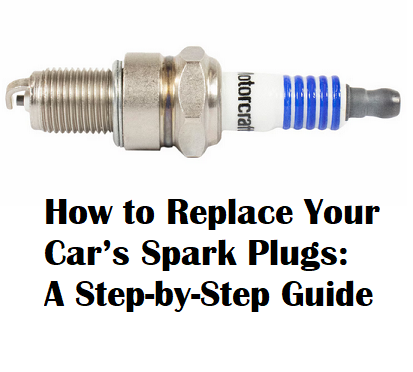
Are your car’s engine troubles driving you up the wall? It might just be time to replace the spark plugs.
These small components play a crucial role in keeping your engine running smoothly. But don’t worry, you don’t need to be a mechanic to handle this task. With the right guidance, you can do it yourself and save money. Imagine the satisfaction of turning the key and hearing your engine roar to life because of your handiwork.
Ready to dive in and give your car the TLC it deserves? Let’s get started on how you can replace those spark plugs like a pro. Stick with us, and by the end, you’ll have the confidence and know-how to tackle this job with ease.
Signs Of Worn Spark Plugs
Worn spark plugs can silently cause your vehicle to run poorly, but how do you know when it’s time to replace them? Recognizing the signs early can save you from more costly repairs down the road. Keep an eye out for these common symptoms that often point to spark plug issues.
Engine Misfires
Does your engine sometimes feel like it’s skipping a beat? Engine misfires often happen because worn spark plugs can’t ignite the fuel-air mixture properly.
You might notice rough idling, jerking during acceleration, or a sudden loss of power. These symptoms can feel frustrating, especially if they come and go unpredictably.
Have you ever experienced your car hesitating just as you press the gas? That hesitation is a strong hint your spark plugs may need attention.
Poor Fuel Efficiency
Are you filling up more often than usual? Worn spark plugs can cause incomplete combustion, which means your engine burns more fuel to get the same performance.
This inefficiency adds up quickly, making your fuel costs climb without any change in your driving habits.
Think about your last few trips—did your gas mileage drop noticeably? That drop could be your spark plugs signaling that they’re past their prime.
Difficulty Starting
Have you ever had to crank the engine longer than normal before it started? This struggle can be a sign of spark plugs that no longer generate a strong enough spark.
Cold mornings can make this issue worse, turning a quick start into a frustrating wait.
Don’t ignore repeated starting problems; worn spark plugs often lie at the root, and replacing them can restore your car’s reliability quickly.

Credit: www.youtube.com
Tools And Materials Needed
Replacing spark plugs requires a few specific tools and materials. Having the right items ready makes the process smoother and safer. Each tool plays a key role in removing and installing spark plugs properly.
Gather all tools before starting. This saves time and avoids interruptions. Below are the essential tools you need.
Spark Plug Socket
A spark plug socket fits snugly around the plug for easy removal and installation. It usually has a rubber insert to hold the plug securely. Choose the correct size for your spark plugs to avoid damage.
Ratchet And Extensions
A ratchet helps turn the spark plug socket with less effort. Extensions attach to the ratchet to reach deep or tight spaces in the engine. These tools give better control and access.
Gap Gauge
A gap gauge measures the spark plug gap. The gap is the distance between the center and side electrodes. Correct gap ensures proper engine performance. Adjust the gap as needed before installation.
Replacement Spark Plugs
Select spark plugs that match your vehicle’s specifications. Using the right type ensures good engine efficiency. Check the owner’s manual for recommended plugs. Always use new plugs for replacement.
Preparing Your Vehicle
Preparing your vehicle before replacing the spark plugs is crucial for a smooth and safe process. Skipping these steps can lead to damage or make the job harder than it needs to be. Taking the time to get your car ready ensures you work efficiently and avoid surprises.
Ensure Engine Is Cool
Never attempt to replace spark plugs while the engine is hot. Heat can cause burns and make the metal parts expand, making the plugs difficult to remove. Wait at least an hour after turning off your car to let everything cool down properly.
Imagine trying to unscrew a bolt that’s red hot—you’d risk injury and might damage the threads. Cooling also prevents accidental cracks in the cylinder head caused by sudden temperature changes during plug removal.
Locate The Spark Plugs
Finding your spark plugs is easier if you know where to look. Most engines have them lined up on top or along the sides of the engine block, connected to thick wires or ignition coils. Check your car’s manual if you’re unsure—this saves you time and frustration.
Sometimes, the plugs hide under plastic engine covers. Removing these covers carefully will give you clear access. Have you ever guessed where a part was only to find it somewhere unexpected? Locating spark plugs correctly avoids unnecessary disassembly.
Clean The Area Around Plugs
Dirt and debris around the spark plugs can fall into the engine when you remove them. This can cause serious engine problems. Use a clean rag or compressed air to clear out dust and grime before you start.
Being thorough here saves you from costly repairs later. Even a small amount of dirt entering the combustion chamber can lead to poor engine performance. Take a moment to wipe the area well—your engine will thank you.
Removing Old Spark Plugs
Removing old spark plugs is an important step in maintaining your vehicle’s engine. It helps ensure smooth running and better fuel efficiency. Careful removal prevents damage to the engine and spark plug threads.
Take your time and follow these simple steps for safe removal.
Disconnect Spark Plug Wires
Start by gently pulling the spark plug wires from the plugs. Hold the boot, not the wire, to avoid damage. Wiggle slightly if the wire feels stuck. Keep track of each wire to reconnect them correctly later.
Use Socket To Unscrew Plugs
Use a spark plug socket attached to a ratchet wrench. Place it firmly over the spark plug. Turn counterclockwise to loosen the plug. Apply steady pressure to avoid stripping threads. Once loose, remove the plug by hand carefully.
Inspect Removed Plugs
Check the old spark plugs for wear and damage. Look for black soot, oil, or cracks on the ceramic insulator. These signs indicate engine issues or poor spark plug health. Keep the plugs for comparison with new ones during replacement.
Installing New Spark Plugs
Installing new spark plugs is a key step in maintaining your engine’s performance. Proper installation ensures smooth starts and efficient fuel use. This process requires attention to detail to avoid damage and ensure long-lasting results.
Start by preparing the new spark plugs for installation. Handle them carefully to keep them clean and intact. Follow the car’s manual for specific instructions on your model.
Check And Adjust Gap
Each spark plug has a gap between the electrodes. This gap affects the spark strength. Use a spark plug gap tool to measure it. Adjust the gap by gently bending the electrode. Match the gap size to the manufacturer’s recommendation. Proper gap helps the engine run smoothly and saves fuel.
Hand-tighten Plugs
Insert the spark plug into the cylinder head by hand. Turn it slowly to avoid cross-threading. Hand-tightening reduces the risk of damaging the threads. Stop when it feels snug. This step ensures the spark plug seats correctly before final tightening.
Torque To Manufacturer Specs
Use a torque wrench for the final tightening. Set it to the manufacturer’s torque specification. Tighten the spark plug until the wrench clicks or shows the set torque. Over-tightening can damage the spark plug or the engine. Under-tightening can cause poor engine performance. Correct torque ensures a secure fit and proper function.

Credit: www.youtube.com
Reconnecting And Testing
After installing new spark plugs, reconnecting and testing is crucial. This step ensures the engine runs smoothly and efficiently. Proper reconnection avoids misfires and engine problems. Testing confirms the repair success before driving.
Attach Spark Plug Wires
Match each spark plug wire to its correct spark plug. Check the firing order in your vehicle manual. Firmly push the wire onto the spark plug until it clicks. Avoid pulling wires by the cord; grab the boot instead. Secure each wire to prevent loose connections.
Start The Engine
Turn the ignition key to start the engine. Listen carefully for any unusual sounds like knocking or sputtering. The engine should start quickly and run smoothly. If the engine struggles, turn it off and double-check connections. Repeat until the engine runs without issues.
Monitor Performance
Watch the engine’s idle for steady RPMs. Drive the vehicle briefly to test acceleration and power. Notice any hesitation or misfires during acceleration. Check for warning lights on the dashboard. Clear any error codes with a scanner if needed.
Maintenance Tips
Maintaining your spark plugs ensures your engine runs smoothly and lasts longer. Proper care helps avoid engine misfires and poor fuel economy. Small efforts in maintenance save time and money on repairs.
Regular Inspection Schedule
Check spark plugs every 30,000 miles or as your car manual suggests. Look for worn electrodes, cracks, or heavy deposits. Clean or replace plugs during routine vehicle service. Keeping to a schedule prevents engine troubles.
Choosing Quality Spark Plugs
Select spark plugs that match your vehicle’s make and model. High-quality plugs last longer and provide better performance. Avoid cheap options as they wear out quickly and cause engine issues. Consult your owner’s manual or a mechanic for the best type.
Signs To Replace Again
Watch for these signs indicating spark plug replacement:
- Engine misfires or rough idling
- Difficulty starting the engine
- Poor fuel efficiency
- Engine hesitation during acceleration
- Increased exhaust emissions
Replacing spark plugs at the right time keeps your car running at its best.

Credit: www.youtube.com
Frequently Asked Questions
How Often Should I Replace Spark Plugs?
Spark plugs typically need replacement every 30,000 to 100,000 miles. Check your vehicle’s manual for specific intervals. Regular replacement ensures optimal engine performance and fuel efficiency.
What Tools Are Needed To Replace Spark Plugs?
You need a spark plug socket, ratchet wrench, extension bar, and a gap gauge. These tools help safely remove and install spark plugs without damage.
How Do I Check Spark Plug Condition?
Remove the spark plug and inspect the electrode and insulator. Look for wear, deposits, or damage. Clean or replace if needed to maintain engine health.
Can I Replace Spark Plugs Myself Safely?
Yes, with basic mechanical skills and the right tools, you can replace spark plugs. Follow your vehicle’s manual instructions carefully to avoid damage and ensure safety.
Conclusion
Replacing spark plugs keeps your engine running smooth. It saves money and time on repairs. Follow each step carefully for best results. Use the right tools and parts for safety. Check your work before starting the engine. Regular maintenance helps your car perform better.
Try this simple task to boost your car’s life. You can do it yourself with patience and care.





