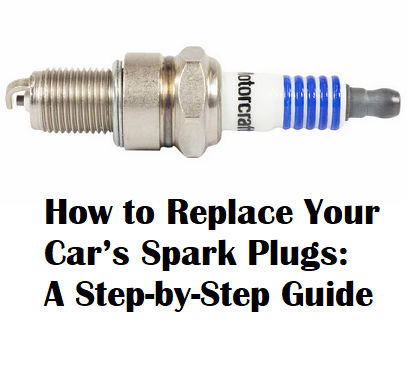
Are you noticing a dip in your car’s performance or experiencing a rough idle? It might be time to replace your spark plug.
This simple maintenance task can breathe new life into your vehicle, ensuring a smoother ride and better fuel efficiency. But don’t worry, you don’t need to be a mechanic to tackle this job. Imagine the satisfaction of knowing you’ve improved your car’s performance with your own hands.
With just a few tools and a bit of guidance, you can replace your spark plug like a pro. Dive into this step-by-step guide and discover how you can enhance your driving experience today.

Credit: www.youtube.com
Tools And Materials Needed
Before you start replacing your spark plug, gathering the right tools and materials is crucial. Having everything ready not only saves time but also prevents frustration. It’s easy to overlook how specific tools can make the job smoother and your results better.
Spark Plug Types
Not all spark plugs are the same. You’ll find copper, platinum, and iridium types, each with different lifespans and performance levels. Checking your vehicle’s manual helps you pick the right one—using the wrong type can affect engine efficiency.
Think about your driving habits too. If you mostly drive in stop-and-go traffic, a platinum or iridium plug may last longer. If you want a cost-effective option for occasional use, copper plugs might work better.
Required Tools
- Spark plug socket:A deep socket with a rubber insert to hold the plug securely.
- Ratchet wrench:For turning the socket and loosening or tightening the plug.
- Socket extension:Helps reach plugs located deep in the engine.
- Gap gauge:Measures and adjusts the spark plug gap for optimal performance.
- Torque wrench:Ensures you tighten the spark plug to the manufacturer’s recommended specification.
- Anti-seize compound:Optional, but it prevents the spark plug from sticking in the cylinder head.
Without these tools, you risk damaging the plug or the engine. Have you ever tried using the wrong socket only to round off the plug’s edges? It’s frustrating and avoidable.
Safety Gear
Your safety matters during any vehicle repair. Always wear gloves to protect your hands from sharp engine parts and hot surfaces. Eye protection is a must to guard against dirt, debris, or accidental sparks.
Consider wearing long sleeves to avoid skin irritation from grease or chemicals. Do you have a well-ventilated workspace? Proper ventilation keeps harmful fumes at bay, making your job safer and more comfortable.
Preparing Your Vehicle
Preparing your vehicle before replacing spark plugs ensures safety and efficiency. Taking time to get ready helps avoid damage and mistakes. Follow these steps carefully to set up your car for the task.
Engine Cool Down
Let the engine cool down completely. Hot engines can cause burns or damage parts. Wait at least 30 minutes after driving. Touch the engine carefully to check the temperature before starting work.
Locate Spark Plugs
Find the spark plugs under the hood. They connect to thick wires or ignition coils. Consult your vehicle’s manual for exact locations. Usually, spark plugs sit on the engine’s cylinder head.
Disconnect Battery
Disconnect the negative battery cable to avoid shocks. Use a wrench to loosen the terminal clamp. This step prevents electrical shorts during spark plug removal. Always handle the battery with care.
Removing Old Spark Plugs
Removing old spark plugs is an important part of replacing them. This process helps prepare the engine for new plugs. Careful removal prevents damage to the spark plug threads and ignition system. Follow these clear steps to remove your old spark plugs safely and efficiently.
Remove Ignition Wires
Start by gently pulling the ignition wires from each spark plug. Hold the boot, not the wire, to avoid damage. Wiggle the boot if it feels tight. Keep wires organized to avoid confusion later.
Clean Area Around Plugs
Use a brush or compressed air to clean dirt around the plugs. This stops debris from falling into the engine. A clean area makes removal easier and safer. Take your time to ensure the surface is clear.
Unscrew Spark Plugs
Use a spark plug socket and ratchet to unscrew each plug. Turn counterclockwise with steady pressure. Avoid forcing the plug to prevent thread damage. Remove the plug carefully once loose and set it aside safely.
Inspecting And Gapping New Plugs
Inspecting and gapping new spark plugs is a crucial step before installation. This ensures your engine runs efficiently and avoids potential misfires. Taking a few minutes to check and adjust your spark plugs can save you time and money in the long run.
Check Plug Condition
Before installing a new spark plug, closely examine its condition. Look for any visible damage like cracks in the ceramic insulator or bent electrodes. Even brand-new plugs can sometimes have defects from manufacturing or shipping.
Make sure the threads are clean and free of any debris. If the plug has oil or dirt on it, wipe it off gently to avoid contaminating your engine. Do you notice uneven wear or corrosion? That’s a sign to replace the plug immediately.
Adjust Gap Size
The gap between the center and ground electrode must match your vehicle’s specifications. You can find this information in your owner’s manual or online. Using a spark plug gap tool, measure the gap carefully.
If the gap is too wide or too narrow, adjust it by gently bending the ground electrode. Avoid forcing it too much, as this can damage the plug. Remember, a proper gap helps create a strong spark and improves fuel efficiency.
Have you ever skipped this step and faced rough idling or poor acceleration? Taking time to set the correct gap can make a noticeable difference in your engine’s performance. It’s a simple task that pays off every time you start your car.
Installing New Spark Plugs
Installing new spark plugs is a crucial part of maintaining your engine’s performance. It’s not just about swapping old parts for new ones; careful installation ensures your vehicle runs smoothly and efficiently. Let’s break down the process into clear, manageable steps that you can follow with confidence.
Hand-tighten Plugs
Start by threading the new spark plug into the cylinder head by hand. This helps you avoid cross-threading, which can damage the threads and lead to costly repairs. Take your time and feel the plug turn smoothly—if it feels stuck or rough, back it out and try again.
Hand-tightening gives you better control and prevents over-tightening early on. It’s a simple step that can save you from bigger problems down the road.
Torque To Specification
Once the plug is hand-tightened, use a torque wrench to tighten it to the manufacturer’s recommended specification. This is important because too much torque can crack the ceramic insulator, while too little can cause poor engine performance.
Check your vehicle’s manual or a reliable online source for the correct torque value. Setting the right torque ensures the plug seals properly and lasts longer, making your engine run cleaner and more efficiently.
Reconnect Ignition Wires
After securing the spark plug, reconnect the ignition wire or coil pack. Push the wire firmly onto the plug until you feel it snap into place. A loose connection here can cause misfires, rough idling, or poor acceleration.
Double-check that each wire is in its correct position to avoid confusion later. Have you ever experienced engine trouble just because a wire wasn’t connected properly? Taking a moment to reconnect wires carefully can save you from frustration and extra trips to the mechanic.
Testing After Replacement
After replacing your spark plug, testing is key to confirm everything is working perfectly. This step ensures your engine runs efficiently and prevents future problems. Let’s look at how to properly test your vehicle to know if the replacement was successful.
Start Engine
Turn the ignition and start your engine immediately after replacement. Pay attention to how quickly the engine responds; a smooth start means good electrical contact and proper installation. If the engine struggles or won’t start, double-check the spark plug connection and gap.
Check For Smooth Operation
Once the engine is running, observe its behavior for at least a minute. The engine should run steadily without hesitation or misfires. If you notice any jerking or uneven idling, it might indicate an issue with the spark plug or its installation.
Listen For Abnormal Sounds
Carefully listen to your engine’s sounds as it runs. Unusual noises like knocking, pinging, or sputtering can signal spark plug problems. Such sounds often mean the spark plug isn’t firing correctly or the timing is off.
Have you ever ignored these tests and faced bigger engine troubles later? Taking a few minutes now to check your work can save you from costly repairs down the road. Your engine deserves that extra attention.
Maintenance Tips
Proper maintenance of your spark plugs can save you time and money. Knowing how to care for them helps keep your engine running smoothly. These tips focus on when to replace your spark plugs, how to spot wear, and ways to keep them clean.
Replacement Frequency
Most spark plugs need replacement every 30,000 to 50,000 miles. However, this depends on your vehicle and the type of spark plug used. Check your owner’s manual for the exact interval, but don’t wait too long; old plugs can reduce fuel efficiency and cause engine misfires.
Do you track your car’s maintenance closely? Setting a reminder for spark plug checks can prevent unexpected issues on the road.
Signs Of Spark Plug Wear
Watch for rough idling, difficulty starting, or decreased acceleration—these often point to worn spark plugs. You might also notice poor fuel economy or engine knocking sounds.
Inspecting the spark plugs yourself can reveal corrosion, heavy deposits, or damaged electrodes. These signs mean it’s time for a change. Don’t ignore these symptoms; replacing worn plugs can restore your engine’s performance quickly.
Keeping Spark Plugs Clean
Cleaning spark plugs extends their life and improves performance. Use a wire brush or spark plug cleaner to remove carbon deposits gently.
Avoid harsh chemicals that can damage the plug. Also, check the gap between the electrodes—an incorrect gap can cause misfires. Keeping your plugs clean and properly gapped ensures your engine runs efficiently every time you start your car.
Credit: www.youtube.com

Credit: www.youtube.com
Frequently Asked Questions
How Often Should I Replace Spark Plugs?
Spark plugs should be replaced every 30,000 to 100,000 miles. Check your vehicle’s manual for exact intervals. Regular replacement ensures optimal engine performance and fuel efficiency.
What Tools Are Needed To Replace Spark Plugs?
You need a spark plug socket, ratchet wrench, extension bar, and a torque wrench. A gap gauge is also useful to check spark plug gaps accurately.
Can I Replace Spark Plugs Myself Safely?
Yes, replacing spark plugs is safe with basic mechanical knowledge. Always disconnect the battery and work in a well-ventilated area to avoid accidents.
How Do I Know If Spark Plugs Need Replacement?
Signs include engine misfires, poor fuel economy, and difficulty starting. Inspect plugs for wear, corrosion, or carbon buildup as indicators.
Conclusion
Replacing a spark plug is simple with the right steps. Regular checks keep your engine running smooth. Use the right tools and parts for best results. Take your time and follow safety tips closely. Doing it yourself saves money and gives confidence.
Keep your vehicle healthy and enjoy better performance. Try this easy task next time your car needs it.





