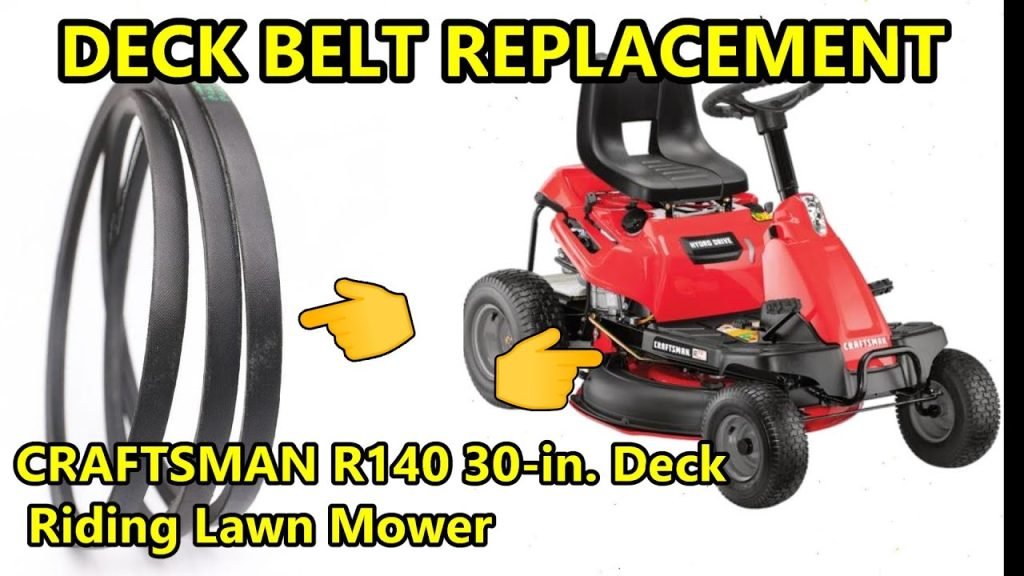
Is your riding mower not cutting the grass like it used to? A worn or broken belt might be the reason.
Knowing how to replace your riding mower belt can save you time, money, and frustration. In this guide, you’ll find simple, step-by-step instructions that anyone can follow—even if you’ve never done it before. By the end, you’ll have your mower running smoothly again, ready to tackle your lawn with ease.
Keep reading, and take control of your mower maintenance today!
Signs Of A Worn Riding Mower Belt
Recognizing the signs of a worn riding mower belt can save you from unexpected breakdowns during your lawn care routine. A belt that’s past its prime won’t just affect performance—it can cause damage to other parts of your mower. Paying attention to subtle changes in sound and function can help you decide when it’s time for a replacement.
Common Belt Issues
You might notice your mower slipping or losing power, which often points to a worn belt. Look out for visible cracks, fraying, or a shiny glazed surface on the belt’s rubber—these are clear indicators of wear. Another common problem is a belt that feels loose or has lost tension, causing it to slip off the pulleys.
Sometimes, you’ll hear a squealing noise when starting or using the mower. This sound usually means the belt is slipping or rubbing against a pulley. Ignoring this can lead to more serious damage, so it’s best to inspect your belt as soon as you hear unusual noises.
When To Replace The Belt
If your belt shows signs of cracking, fraying, or glazing, it’s time to replace it immediately. Also, if your mower’s cutting performance declines or the belt slips frequently despite proper tensioning, replacement will restore efficiency. Don’t wait until the belt breaks mid-mow—regular checks can help you swap it out at the right time.
Consider the age and usage of your mower too. Even if the belt looks okay, belts older than a couple of years might have lost elasticity. Have you checked your mower belt lately? Taking a moment now can prevent frustrating breakdowns later.
Tools And Materials Needed
Before you start replacing your riding mower belt, gathering the right tools and materials is crucial. Having everything on hand saves time and prevents frustration during the repair. It also ensures you do the job safely and efficiently.
Essential Tools
You’ll need a few basic tools to get the job done right. A socket wrench set is vital for loosening and tightening bolts that hold the belt and pulleys in place. Screwdrivers, both flathead and Phillips, help remove any covers or guards.
Don’t forget a pair of gloves to protect your hands from sharp edges and dirt. A flashlight or work light can be handy if you’re working in low-light conditions under the mower deck. Sometimes, a pry bar or a belt removal tool makes the process smoother, especially if the old belt is stuck tight.
Choosing The Right Replacement Belt
Selecting the correct belt is more important than many realize. Check your mower’s owner manual or the existing belt for the part number and size. Using the wrong belt can lead to poor performance or even damage to your mower.
Consider the type of belt as well—some mowers use V-belts, while others require ribbed or flat belts. Quality matters here; investing in a durable belt from a reputable brand saves you from repeated replacements. Have you ever tried fitting a belt only to find it’s too loose or tight? Getting the exact match avoids that hassle.
Preparing Your Mower
Preparing your riding mower properly sets the stage for a smooth belt replacement. Taking time to get your mower ready ensures safety and easier access to the parts. This preparation helps avoid damage and saves effort during the repair. Follow clear steps to prepare your mower before starting the belt replacement.
Safety Precautions
Safety is the top priority before working on your mower. Start by turning off the engine completely. Remove the key from the ignition to prevent accidental starts. Disconnect the spark plug wire to stop the engine from sparking.
Wear gloves to protect your hands from sharp edges. Use safety glasses to shield your eyes from debris. Work in a flat, open area with good lighting. Keep children and pets away from the workspace.
Accessing The Belt Area
Locate the belt housing on your riding mower. Most models have a cover or panel that protects the belt. Use the correct tools to remove screws or clips holding the cover in place.
Lift or slide off the cover carefully. Clean any dirt or grass clippings around the belt area for better visibility. Check the belt’s condition and how it fits on the pulleys. Clear space to move the belt freely during removal and replacement.

Credit: www.youtube.com
Removing The Old Belt
Begin by disconnecting the mower’s spark plug to ensure safety. Loosen the belt tensioner and carefully slide off the old belt from the pulleys. Check for any damage or wear before installing the new belt.
Removing the old belt from your riding mower requires careful attention. A well-functioning belt ensures smooth operation of your mower. Follow these easy steps to remove the old belt efficiently.Loosening The Tensioner
First, locate the tensioner on your mower. It’s usually near the engine. Use a wrench to loosen the tensioner bolt. This will relieve the pressure on the belt. Ensure the mower is off and the keys are removed. Safety first!Taking Off The Belt
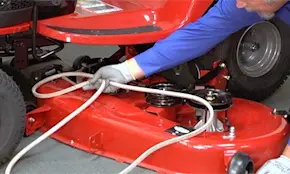
Once the tension is released, you can remove the belt. Start by sliding it off the pulleys. Check if it’s stuck or tangled. If needed, gently maneuver it free. Take note of the belt’s path for reinstallation. A quick photo can help remember the routing.Installing The New Belt
Installing the new belt on your riding mower is a crucial step to ensure smooth operation and extend the life of your equipment. Getting it right the first time saves you from frustrating breakdowns later. Let’s focus on placing the belt properly and making sure it has the perfect tension.
Positioning The Belt Correctly
Start by comparing the new belt with the old one to confirm it’s the right size and type. Lay the belt around the pulleys exactly as the manufacturer’s diagram shows or as you observed before removal.
Make sure the belt sits snugly inside the pulley grooves without twisting or overlapping. If it slips out of place, it can cause uneven wear or even snap during use.
Have you noticed how a small misalignment can make a big difference? Take your time here—this step is all about precision. Sometimes, spinning the pulleys by hand helps guide the belt into the right track.
Adjusting Belt Tension
Once the belt is in position, the next key step is adjusting the tension. Too tight, and you risk damaging bearings and the belt itself. Too loose, and the belt will slip, reducing cutting performance.
Look for the tensioner mechanism—often a spring-loaded arm or adjustable bracket. Move it gently to tighten the belt until it feels firm but still has a slight give when pressed with your finger.
Think about the last time you dealt with a loose belt on your mower. Didn’t it just ruin your whole mowing experience? Proper tension keeps your mower running smoothly and saves you from frequent fixes.
Testing The Mower
Testing the mower after replacing the belt is crucial to ensure everything works smoothly and safely. It’s not just about hearing the engine run; you need to confirm the belt is properly aligned and the blades are spinning as they should. Skipping this step can lead to bigger problems or even damage to your mower.
Starting The Engine
Before you start the engine, make sure the mower is on a flat surface and the parking brake is engaged. Turn the key or pull the starter cord gently to avoid any sudden jerks. Listen carefully for any unusual sounds like squealing or grinding that could indicate the belt isn’t seated correctly.
Have you noticed how a smooth start often means your belt installation was spot on? If the engine struggles to start or stalls quickly, double-check the belt tension and the pulleys. You want a steady, consistent engine sound without any odd vibrations.
Checking For Proper Operation
Once the engine is running, engage the blade control to start the blades spinning. Watch the blades closely to ensure they turn evenly and without wobbling. If the belt slips or the blades hesitate, the belt might be too loose or misaligned.
Feel the mower’s deck for unusual vibrations or heat that could signal friction from a faulty belt. Also, check if the mower maintains speed under load—cutting thick grass should not cause the engine to bog down. What do you think your mower is telling you through its sound and movement right now?
Testing your mower thoroughly helps catch issues early and saves you from costly repairs later. Take your time during this step—it’s worth it for a smooth and safe mowing experience.
Maintenance Tips For Belt Longevity
Maintaining the riding mower belt extends its life and keeps your mower running smoothly. Simple care steps prevent wear and tear. Spending a little time on maintenance saves money on replacements and repairs.
Regular Inspections
Check the belt often for cracks, frays, or glazing. Look for signs of wear that affect performance. A worn belt can slip or break during mowing. Tighten the belt to proper tension as loose belts cause damage.
- Inspect before each mowing session.
- Replace if cracks or deep wear appear.
- Ensure the belt is aligned correctly on pulleys.
Cleaning And Storage Advice
Keep the belt clean from dirt, grass, and oil. Use a dry cloth to wipe the belt gently. Avoid harsh chemicals that degrade rubber. Store the mower in a dry place, away from direct sunlight and moisture.
- Clean the belt after mowing in dusty areas.
- Cover the mower if stored outside.
- Remove the belt for long-term storage to prevent deformation.

Credit: www.youtube.com
Credit: www.searspartsdirect.com
Frequently Asked Questions
How Do I Know If My Mower Belt Needs Replacing?
Check for cracks, fraying, or slipping during use. A worn belt causes poor cutting and unusual noises. Inspect regularly for visible damage to ensure optimal mower performance.
What Tools Are Needed To Replace A Riding Mower Belt?
You need a socket set, screwdrivers, pliers, and possibly a belt tensioner tool. Always consult your mower’s manual for specific tool requirements.
How Long Does It Take To Replace A Riding Mower Belt?
Replacing a belt usually takes 30 to 60 minutes. Time varies depending on mower model and your mechanical experience.
Can I Use Any Belt For My Riding Mower?
No, use the manufacturer’s recommended belt type and size. Incorrect belts can cause poor performance or damage to the mower.
Conclusion
Replacing a riding mower belt keeps your mower running smoothly. Follow the steps carefully to avoid mistakes. Check the belt size and condition before starting. Keep your mower clean and well-maintained for longer belt life. Regular checks help spot wear early and save time.
A good belt ensures better cutting and safer operation. Take your time and work patiently for best results. Your mower will thank you with better performance. Simple care makes a big difference in mower upkeep.