
Is your lawn mower sputtering or refusing to start altogether? It might be time to replace the spark plug.
This small, often overlooked component is crucial for your mower’s performance. A fresh spark plug ensures your mower starts smoothly and runs efficiently, keeping your lawn looking its best. In this guide, you’ll discover how simple it is to replace a lawn mower spark plug yourself, even if you’re not a seasoned mechanic.
Imagine the satisfaction of reviving your mower and saving money on repairs. Stick with us to learn a quick, foolproof method to get your mower running like new again. You’ll be back to enjoying your perfectly manicured lawn in no time!
Signs Of A Faulty Spark Plug
Knowing the signs of a faulty spark plug helps keep your lawn mower running smoothly. Spark plugs ignite the fuel in the engine. When they fail, the mower struggles to work well. Recognizing these signs early saves time and money on repairs. Here are the common symptoms to watch for.
Poor Engine Performance
A bad spark plug causes the engine to run rough or stall. You may notice the mower hesitates or sputters during use. The power drops, making grass cutting uneven and slow. The engine might produce unusual noises or vibrations. These signs mean the spark plug is not firing properly.
Difficulty Starting
Hard starts are a clear indication of spark plug problems. The mower may take several pulls or attempts before it starts. Sometimes, it fails to start at all. This happens because the spark plug cannot ignite the fuel-air mixture. Replacing the spark plug often restores easy starting.
Increased Fuel Consumption
A faulty spark plug leads to incomplete combustion of fuel. The engine burns more fuel than necessary. You will notice your mower uses gas faster than before. This inefficiency raises costs and harms the environment. Changing the spark plug improves fuel efficiency and mower performance.

Credit: www.youtube.com
Tools And Materials Needed
Before you start replacing your lawn mower’s spark plug, gathering the right tools and materials is key. Having everything on hand will make the process smoother and prevent unnecessary stops. Think about what you need to get the job done efficiently and safely.
Spark Plug Wrench
A spark plug wrench is designed to fit snugly around the spark plug, allowing you to loosen and tighten it without damage. Using the correct size prevents stripping the plug or damaging the engine. If you don’t have one, a deep socket wrench can sometimes work, but a spark plug wrench is best for a secure grip.
Replacement Spark Plug
Choosing the right replacement spark plug matters more than you might think. Check your mower’s manual for the exact type and size you need. Using the wrong plug can cause poor engine performance or even damage, so take a moment to verify this before you buy.
Gap Gauge
Setting the correct gap on your new spark plug is crucial for efficient engine firing. A gap gauge lets you measure and adjust the space between the electrodes precisely. Even a small error in the gap can lead to starting problems or rough running, so don’t skip this step.
Preparing Your Lawn Mower
Preparing your lawn mower before changing the spark plug is essential. Proper preparation ensures safety and makes the process smoother. Taking time to get the mower ready prevents damage and accidents.
Safety Precautions
Always start by turning off the lawn mower. Disconnect the spark plug wire to stop the engine from starting accidentally. Wear gloves to protect your hands from dirt and sharp parts. Work in a well-ventilated area to avoid inhaling fumes. Keep children and pets away from the workspace. Use safety glasses if debris might fly during the process.
Accessing The Spark Plug
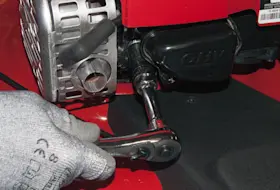
Locate the spark plug on the engine. It usually has a thick wire attached to it. Clean around the spark plug to remove dirt and grass. This prevents debris from falling into the engine. Use a spark plug socket and ratchet to carefully remove the plug. Keep the plug wire away from the spark plug once removed. Check the owner’s manual if you have trouble finding the spark plug.
Removing The Old Spark Plug
Removing the old spark plug is an important step in maintaining your lawn mower. This process ensures the engine runs smoothly and starts easily. Take your time and follow the steps carefully. Proper removal prevents damage to the spark plug or engine parts.
Disconnecting The Spark Plug Wire
First, find the spark plug wire attached to the top of the spark plug. Gently pull the boot, not the wire, to avoid damage. Wiggle it slightly if it feels stuck. Keep the wire away from the spark plug once removed. This stops any accidental electric shock or spark.
Using The Wrench To Unscrew
Use a spark plug wrench or a socket wrench with the correct size socket. Fit the wrench over the spark plug carefully. Turn the wrench counterclockwise to loosen the spark plug. Apply steady pressure without forcing it. Once loose, remove the spark plug by hand. Check the spark plug for wear or damage after removal.
Inspecting And Setting The New Spark Plug
Inspecting and setting the new spark plug is a key step in lawn mower maintenance. A properly set spark plug ensures strong engine performance and easy starting. Checking the spark plug gap is essential before installation. The gap must match the manufacturer’s specifications. A wrong gap can cause engine misfires or poor fuel efficiency.
Checking The Gap
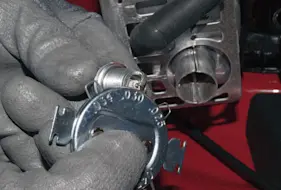
Use a spark plug gap tool to measure the gap between the electrodes. The tool slides between the center and ground electrode. The correct gap size is usually found in the mower’s manual. If the tool fits snugly without forcing, the gap is correct. A gap too wide or too narrow needs adjustment before use.
Adjusting The Gap If Needed
Gently bend the ground electrode to change the gap size. Use the gap tool to check the new measurement. Adjust slowly to avoid damaging the electrode. Repeat measuring and adjusting until the gap matches the recommended size. Proper gap setting helps the spark plug fire correctly and keeps the mower running smoothly.
Credit: www.searspartsdirect.com
Installing The New Spark Plug
Installing the new spark plug is a key step for your lawn mower’s performance. It requires care and patience to avoid damage. Follow these simple steps to fit the spark plug correctly and ensure a smooth start every time.
Threading By Hand
Start by placing the new spark plug into the cylinder head. Turn it slowly with your fingers. This helps avoid cross-threading, which can damage the threads. It should screw in smoothly without force. Stop if you feel resistance and back off. Proper hand threading ensures the spark plug fits perfectly.
Tightening With The Wrench
Use a spark plug wrench to tighten the plug securely. Turn it clockwise until it feels snug. Avoid over-tightening, which can crack the plug or damage the engine. A good rule is to tighten about a quarter to half turn after hand tightening. This seals the spark plug well and keeps it in place.
Final Checks And Testing
After replacing the spark plug, the final checks and testing phase is crucial to ensure your lawn mower runs smoothly. Skipping these steps might lead to unexpected engine troubles right when you need your mower the most. Taking a moment here can save you time and frustration down the line.
Reattaching The Spark Plug Wire
Before you start the mower, securely reattach the spark plug wire. It should snap firmly onto the top of the spark plug without any wiggle. A loose connection can cause poor engine performance or prevent the mower from starting at all.
Check the wire for any visible damage or corrosion. If the wire looks worn out, consider replacing it to avoid future issues. Have you ever tried starting your mower only to find out the wire was the problem? This step prevents that hassle.
Starting The Lawn Mower
Once the wire is attached, try starting the mower. Pull the starter cord or press the ignition button as you normally would. Listen carefully to how the engine sounds during startup.
A smooth and steady start indicates the spark plug is working properly. If the engine sputters or fails to start, double-check the spark plug gap, wire connection, and that the plug is the correct type for your mower. Sometimes a simple adjustment makes all the difference.
Monitoring Performance
After the mower starts, let it run for a few minutes and observe its behavior. Notice if it idles smoothly without stalling or unusual noises. A well-installed spark plug will support consistent engine speed and power.
Pay attention to how the mower responds when you engage the blades. If you experience hesitation or uneven running, re-inspect the spark plug and connections. Have you noticed subtle changes in your mower’s performance after maintenance? Keeping a close eye helps catch problems early.
Credit: www.searspartsdirect.com
Tips For Spark Plug Maintenance
Maintaining your lawn mower’s spark plug helps keep the engine running smoothly. Proper care improves starting power and fuel efficiency. Simple steps can extend the spark plug’s life and save repair costs.
Regular Inspection Schedule
Check the spark plug after every 25 hours of use or at least once per mowing season. Look for signs of wear, such as carbon buildup, cracks, or corrosion. Clean minor deposits with a wire brush or spark plug cleaner. Replace the plug if the electrode is worn or damaged. Keeping a regular inspection schedule prevents unexpected mower problems.
Choosing Quality Spark Plugs
Select spark plugs designed for your mower’s model and engine type. Higher quality plugs resist fouling and last longer. Look for brands with good reviews and warranties. Avoid cheap plugs that may fail quickly or harm engine performance. Using the right spark plug ensures reliable starts and efficient operation.
Frequently Asked Questions
How Often Should I Replace A Lawn Mower Spark Plug?
Replace the spark plug every 25 to 50 hours of use or once per season. Regular replacement ensures optimal engine performance and fuel efficiency.
What Tools Do I Need To Replace The Spark Plug?
You need a spark plug socket wrench, a ratchet, and a gap gauge. These tools help remove the old plug and correctly install the new one.
How Do I Check The Spark Plug Gap?
Use a spark plug gap tool or feeler gauge. Adjust the gap to the manufacturer’s recommended measurement for proper engine operation.
Can I Use Any Spark Plug For My Lawn Mower?
No, use the spark plug type specified in your lawn mower’s manual. Using the wrong plug can damage the engine or reduce performance.
Conclusion
Replacing a lawn mower spark plug is simple and quick. It helps your mower start easily and run smoothly. Always check the spark plug regularly for best results. Use the right tools and follow safety steps carefully. A clean, working spark plug saves time and money on repairs.
Keep your mower ready for the season with this easy task. Small care makes a big difference in lawn mower life. Try it yourself and enjoy a well-maintained lawn mower.





