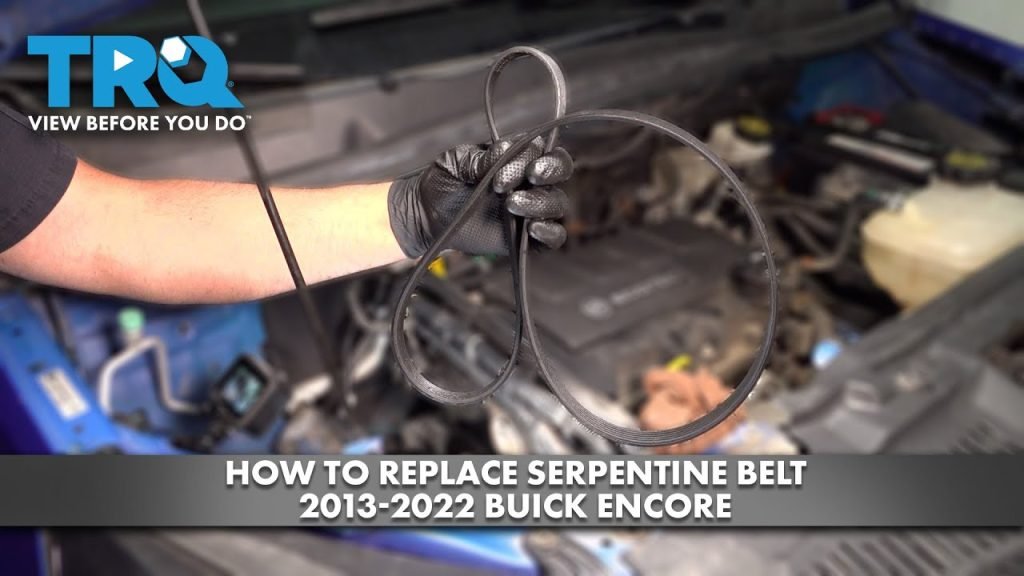
Your car’s serpentine belt is like the unsung hero under the hood. It keeps everything running smoothly, from the alternator to the power steering pump.
But what happens when it starts to wear out or breaks? The good news is, you can replace it yourself, and it’s not as difficult as you might think. Imagine saving money on mechanic fees and gaining the satisfaction of fixing your own vehicle.
In this guide, you’ll discover simple steps to replace your serpentine belt, with tips that make the process easy and stress-free. Stick with us, and by the end, you’ll be ready to tackle this DIY project with confidence. Let’s dive into how you can keep your car in top shape, starting with that essential serpentine belt.

Credit: www.familyhandyman.com
Signs Of A Worn Serpentine Belt
The serpentine belt plays a vital role in your vehicle’s engine. It powers important parts like the alternator, water pump, and air conditioning. Signs of a worn serpentine belt often appear before it breaks. Spotting these signs early helps avoid engine trouble and costly repairs.
Common Belt Wear Indicators
- Cracks on the belt surface or edges
- Fraying or splitting of belt fibers
- Glazing or shiny spots on the belt
- Squealing or chirping noises from the engine area
- Looseness or slipping of the belt
- Missing chunks or pieces on the belt
Check the belt regularly for these signs. A damaged belt looks dull or cracked. Listen for unusual noises when the engine runs. These clues often show belt wear before failure.
Effects Of A Damaged Belt
- Loss of power to engine accessories
- Overheating due to water pump failure
- Battery not charging properly
- Air conditioning stops working
- Engine warning lights may turn on
- Engine may stall or fail to start
A damaged serpentine belt disrupts engine function. The vehicle may lose critical operations quickly. Ignoring belt wear can lead to breakdowns. Replace the belt promptly to maintain engine health.

Credit: www.youtube.com
Tools Needed For Replacement
Replacing a serpentine belt requires the right tools. Having these tools ready makes the process faster and safer. Understanding what you need helps avoid mistakes and frustration.
Essential Hand Tools
- Socket wrench set – to remove bolts and nuts.
- Serpentine belt tool or long-handled wrench – to release tension on the belt.
- Screwdrivers – flathead and Phillips for clips or covers.
- Pliers – to grip and maneuver small parts.
- Flashlight – to see in tight, dark engine spaces.
- Torque wrench – to tighten bolts to the correct specification.
Safety Gear
- Safety glasses – protect your eyes from debris.
- Gloves – keep your hands safe from cuts and dirt.
- Closed-toe shoes – protect feet from falling tools or parts.
- Long sleeves – reduce skin exposure to hot or sharp parts.
Locating The Serpentine Belt
Finding the serpentine belt is the first step in replacing it. This belt plays a key role in powering various engine parts like the alternator and water pump. Knowing where to find it helps you work safely and efficiently.
Accessing The Engine Compartment
Open the car’s hood fully. Use the hood prop rod to keep it open. Stand in front of the car and look inside the engine bay. The serpentine belt usually sits at the front of the engine. Remove any plastic covers if they block your view. Clear away dirt or debris for better access.
Identifying Belt Routing
Look for a long, continuous belt wrapped around several pulleys. The belt is flat and ribbed on one side. Check the engine side or under the hood for a belt routing diagram. This diagram shows how the belt loops around each pulley. If no diagram is visible, take a picture or sketch the belt path before removing it. This step prevents mistakes during installation.
Releasing Belt Tension
Releasing belt tension is a crucial step when replacing a serpentine belt. Without properly loosening the tension, you won’t be able to remove the old belt or fit the new one correctly. This step requires some care to avoid damaging the tensioner or other engine components.
Using A Tensioner Tool
A tensioner tool is designed specifically to handle the tensioner pulley with ease. It fits into the tensioner’s square or hex head, giving you the leverage to release tension safely. You’ll often find a special slot or bolt head on the tensioner where this tool fits perfectly.
Once the tool is attached, push or pull it in the direction that loosens the belt. You’ll feel the tensioner move, allowing you to slide the belt off the pulleys. Keep the tensioner held in this position while you remove the belt to prevent it from snapping back suddenly.
Without a tensioner tool, this task can become frustrating. Have you ever tried to use a regular wrench and found the tensioner just wouldn’t budge? That’s why having the right tool makes the process smoother and safer.
Manual Tension Release Techniques
If you don’t have a tensioner tool, you can still release belt tension manually—but it takes more care. Locate the tensioner pulley and look for a bolt or square hole designed for releasing tension. Use a suitable wrench or ratchet to turn the tensioner carefully.
Apply slow, steady pressure to avoid sudden movements. Some tensioners have a spring that snaps back quickly, so keep your fingers clear. Holding the tensioner in the released position, gently slide the belt off the pulleys.
It helps to ask yourself: do I have enough grip and control to prevent injury or damage? If not, waiting to get the proper tool might be the safer choice. Taking your time here reduces the risk of slipping tools or hurting yourself.
Removing The Old Belt
Removing the old serpentine belt is the first important task in belt replacement. It requires care to avoid damage to the belt system. The belt is under tension, so release tension carefully. This step prepares the engine for the new belt installation.
Safe Belt Removal Steps
- Locate the belt tensioner pulley on the engine.
- Use a wrench or breaker bar to rotate the tensioner and relieve belt tension.
- Hold the tensioner in the released position carefully.
- Slide the belt off the pulleys slowly, starting with the easiest pulley to access.
- Do not force the belt off; it can break or damage components.
- Once free, remove the belt completely from the engine compartment.
Inspecting Pulleys And Components
Check all pulleys for wear or damage after removing the belt. Look for cracks, chips, or wobbling pulleys. Spin each pulley by hand to hear unusual noises or rough movement. Examine the tensioner and idler pulleys closely. Replace any worn or damaged parts before installing the new belt. Clean pulleys to remove dirt and debris. Proper inspection ensures the new belt will last longer and work smoothly.
Installing The New Serpentine Belt
Installing the new serpentine belt is a crucial step to ensure your engine runs smoothly and all accessories function properly. This process requires attention to detail and patience, but it’s very doable with the right approach. Let’s focus on two key aspects that will help you install the belt correctly and avoid common pitfalls.
Following The Belt Routing Diagram
Before placing the new belt, locate the belt routing diagram, usually found on a sticker under the hood or in your vehicle’s manual. This diagram shows the exact path the belt must follow around the pulleys.
Double-check the diagram against your engine to make sure no pulleys are missed or wrongly aligned. If you don’t have a diagram, take a clear photo of the old belt’s routing before removal—this saves a lot of guesswork.
As you fit the new belt, loop it around each pulley carefully, keeping it seated in the pulley grooves. Ask yourself: does the belt sit flat and snug, or is it twisted anywhere? Twists can cause premature wear or belt failure.
Ensuring Proper Tension
Once the belt is in place, apply tension according to your vehicle’s specifications. Too loose, and the belt may slip or squeal; too tight, and it might strain bearings and pulleys.
Many vehicles have an automatic tensioner that you can release and then let apply the correct tension to the belt. If your vehicle uses a manual tensioner, use a tension gauge or follow the manual’s guidelines to get it right.
After installation, turn the engine on briefly and watch the belt in motion. Does it stay aligned and quiet? If not, you might need to readjust the tension or routing. Have you ever ignored this step and ended up with a noisy belt? It’s worth the extra time to get it perfect.
Testing The New Belt
Testing the new serpentine belt is a critical step to ensure your vehicle runs smoothly after the replacement. This stage verifies that the belt is properly aligned and functioning without any issues. Skipping this check could lead to premature wear or even engine damage, so take your time and pay attention to every detail.
Starting The Engine
Once the belt is installed, start your engine but keep it at idle speed. Watch the belt closely to see if it moves smoothly without slipping or wobbling. If the belt appears loose or jumps on the pulleys, you might need to adjust the tension or reinstall it.
Also, take note of the engine’s reaction after starting. Does it run steadily, or do you notice any hesitation? An uneven idle could indicate that the belt isn’t engaging components properly.
Listening For Unusual Noises
Pay close attention to any sounds coming from under the hood. A new serpentine belt should operate quietly, without squeaks or chirps. If you hear high-pitched noises, it might mean the belt is misaligned or too tight.
Try revving the engine slightly and listen for changes in the noise. Does it get louder or disappear? This test helps pinpoint if the belt is the source of the problem.
Have you ever ignored these sounds only to face bigger repairs later? Trust your ears—they often detect issues before they become visible.
Maintenance Tips For Belt Longevity
Keeping your serpentine belt in top shape is key to avoiding unexpected breakdowns. Simple maintenance can extend its life and save you time and money. Let’s look at some practical tips to help your belt last longer and work better.
Regular Inspections
Check your serpentine belt every few months for cracks, fraying, or shiny spots. These signs show the belt is wearing out and might slip or break soon.
Use a flashlight and take a close look at the belt’s surface and edges. If you spot any damage, don’t wait—plan for a replacement. Catching issues early can prevent bigger problems.
Also, listen for squealing noises while the engine runs. This often means the belt is loose or slipping. Tighten the belt if needed or have a professional check it for you.
When To Replace Again
Even if your belt looks fine, it won’t last forever. Most serpentine belts need replacement every 60,000 to 100,000 miles, but conditions can change this.
Think about your driving habits. Frequent stop-and-go traffic or extreme weather can wear the belt faster. Have you noticed your vehicle’s performance dipping or unusual noises? These clues suggest it might be time for a new belt.
Keep a record of your belt changes and inspections. This helps you stay ahead and avoid the stress of a sudden belt failure on the road.

Credit: carrepairmanuals.site
Frequently Asked Questions
What Tools Are Needed To Replace A Serpentine Belt?
You need a wrench or serpentine belt tool, socket set, and a new serpentine belt. Safety gloves and a vehicle manual help too. These tools make the replacement easier and safer.
How Do I Know When To Replace The Serpentine Belt?
Replace the belt if it shows cracks, fraying, or glazing. Squealing noises or loss of power steering also indicate replacement. Regular inspection every 60,000 miles is recommended.
Can I Replace A Serpentine Belt Myself?
Yes, with basic mechanical skills and the right tools, you can replace it. Follow the belt routing diagram and release tension carefully. Always disconnect the battery before starting.
How Long Does It Take To Replace A Serpentine Belt?
Replacing a serpentine belt usually takes 30 to 60 minutes. Time varies based on vehicle make and your experience level. Proper preparation helps speed up the process.
Conclusion
Replacing a serpentine belt can save you time and money. Follow the steps carefully and take your time. Double-check the belt tension before finishing. A good belt keeps your engine running smoothly. Regular checks help avoid sudden breakdowns. Remember, safety comes first—wear gloves and work in a clear space.
Practice makes the process easier. Keep your car in top shape by staying proactive. Simple care goes a long way. You can do this!





